| HS Code | 762959 |
| Density | 0.956 g/cm³ |
| Melt Flow Rate 190 C 2 16 Kg | 8.0 g/10min |
| Tensile Yield Strength | 25 MPa |
| Elongation At Break | >500% |
| Flexural Modulus | 950 MPa |
| Izod Impact Strength Notched 23 C | 50 J/m |
| Shore D Hardness | 64 |
| Melting Point | 131 °C |
| Vicat Softening Temperature | 124 °C |
| Heat Deflection Temperature 0 45 Mpa | 70 °C |
| Brittleness Temperature | -60 °C |
| Water Absorption | 0.01% |
As an accredited High‑Density Polyethylene (HDPE) DMDA-8008 factory, we enforce strict quality protocols—every batch undergoes rigorous testing to ensure consistent efficacy and safety standards.
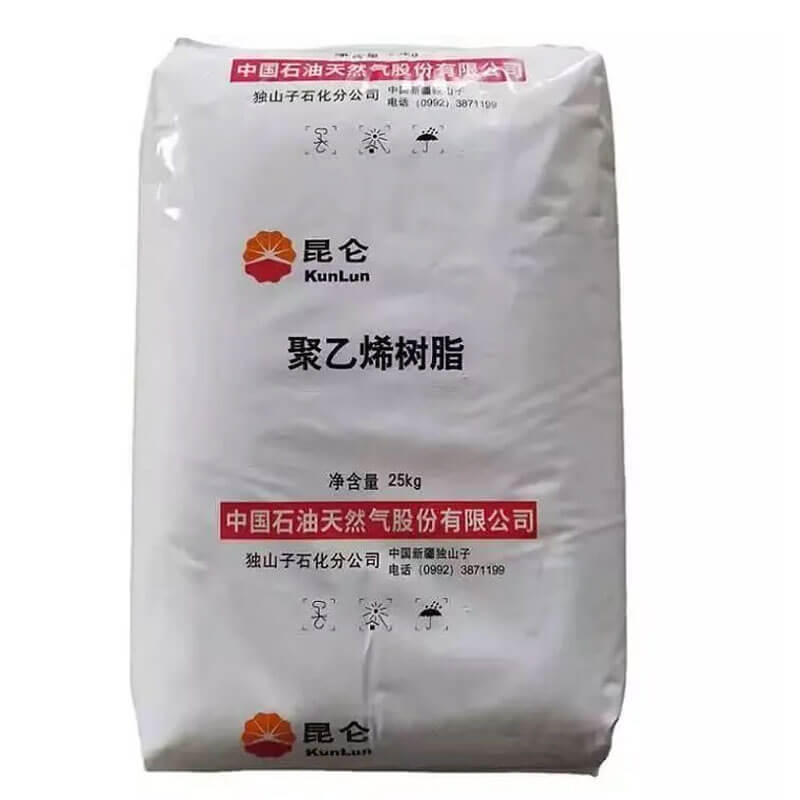
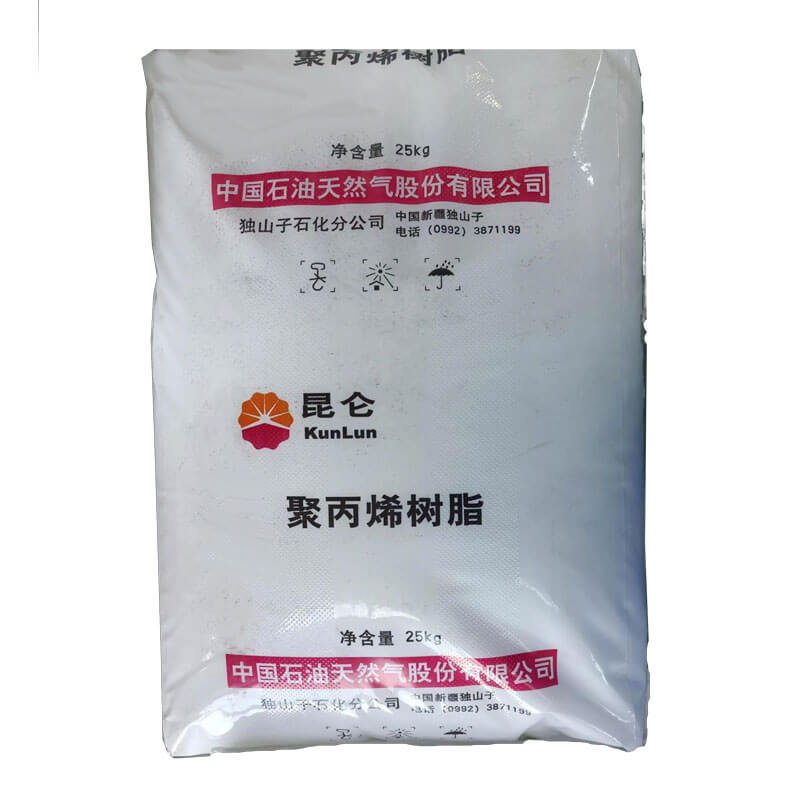
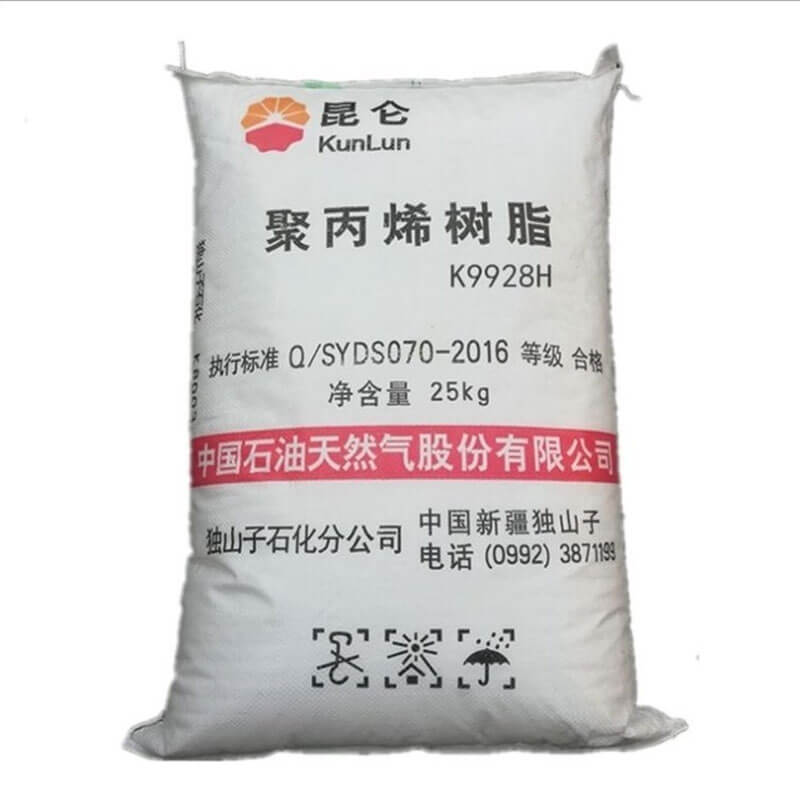
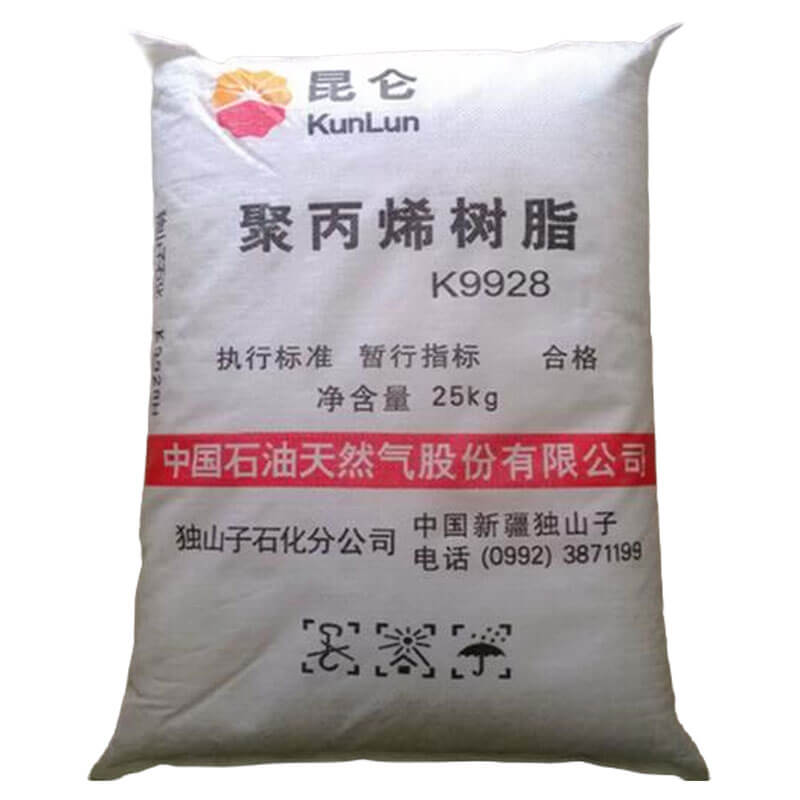
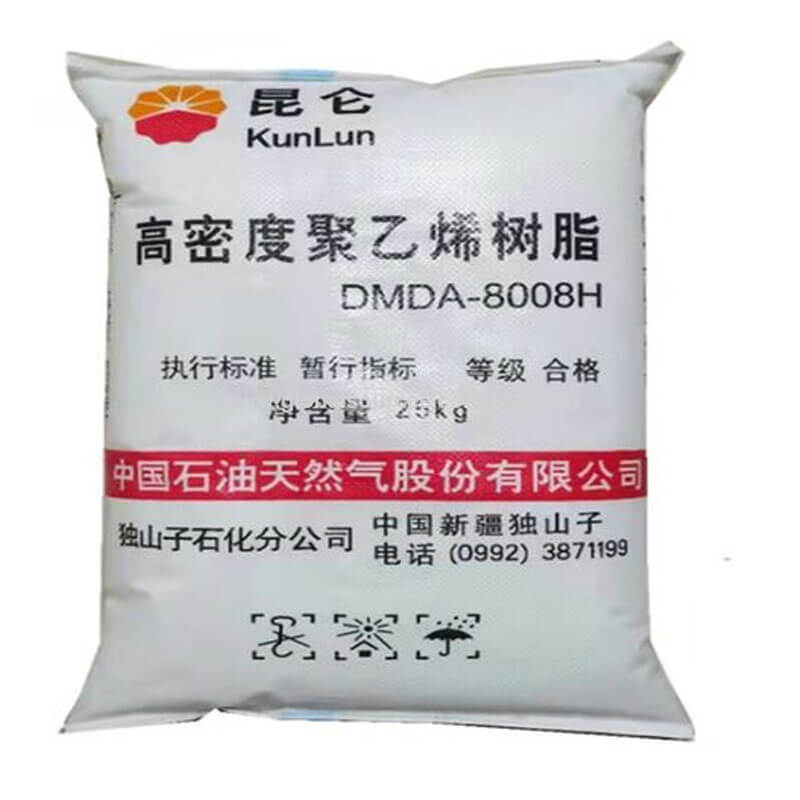
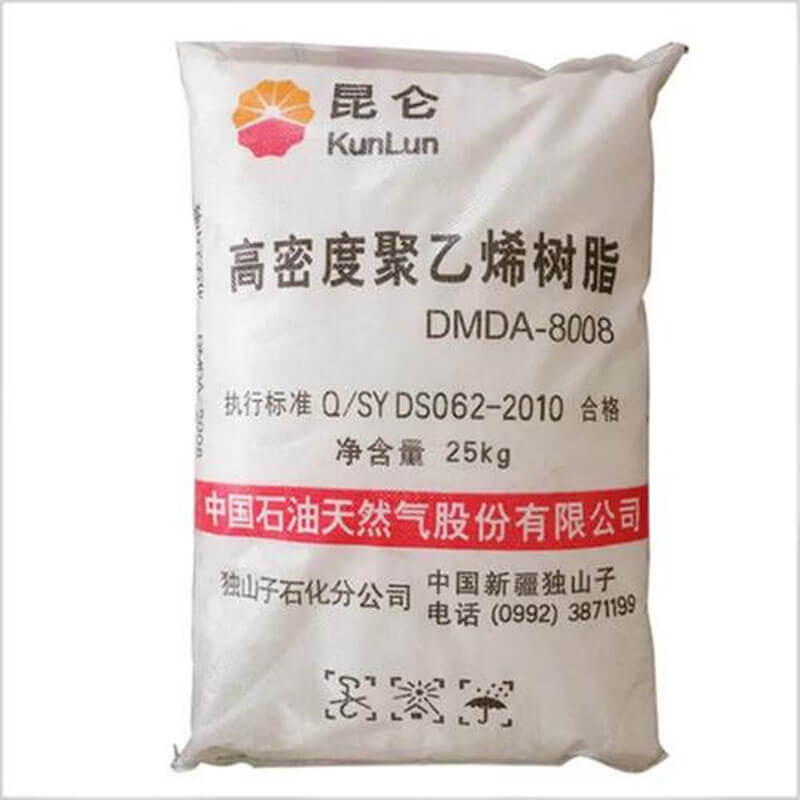
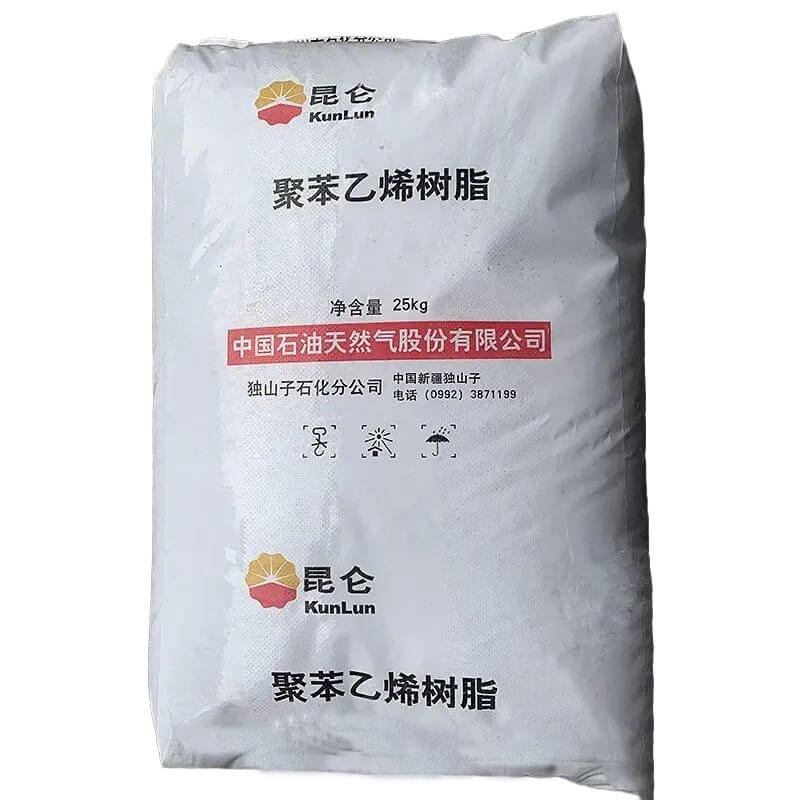
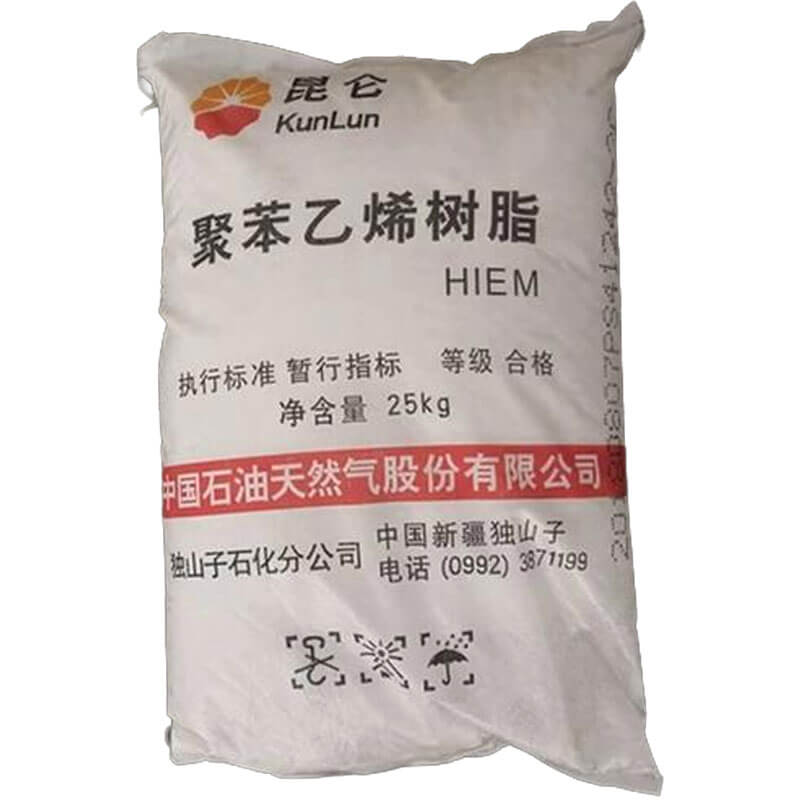
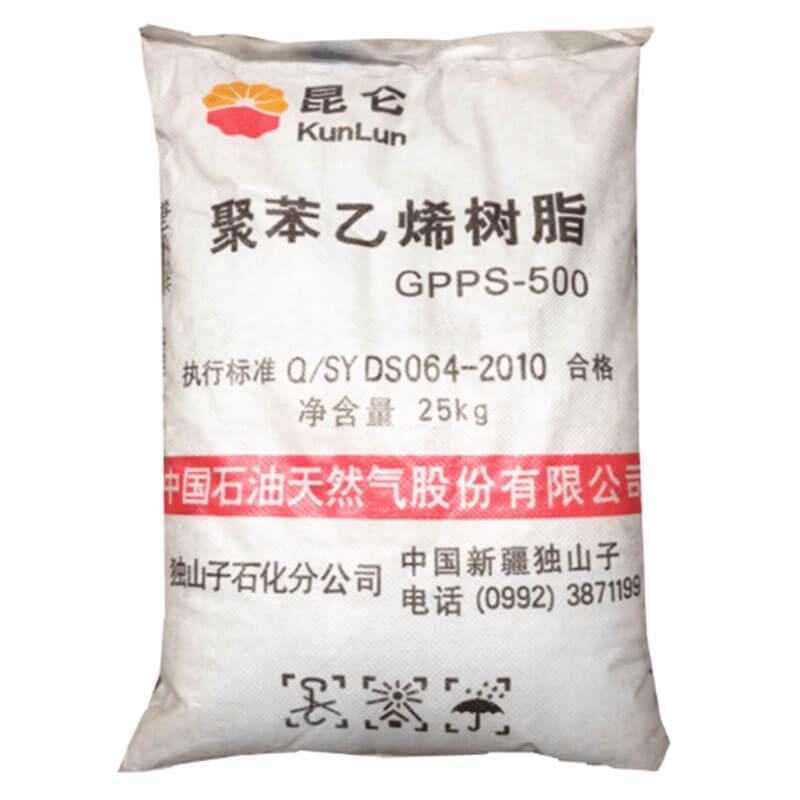
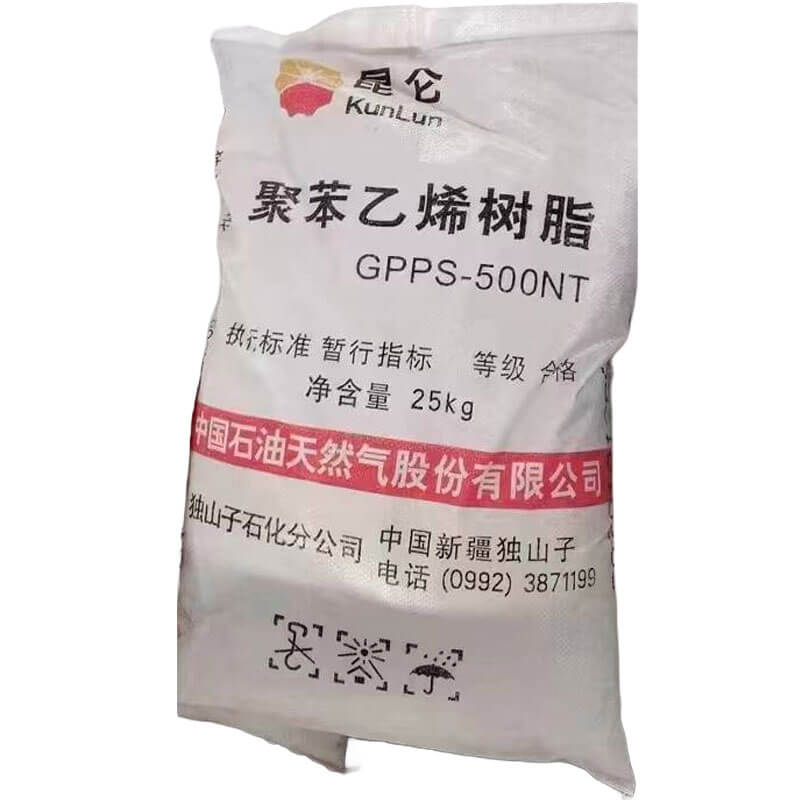
| Packing | High-Density Polyethylene HDPE DMDA-8008 is packaged in 25 kg multi-wall paper bags, 20 bags per pallet, shrink-wrapped on wooden pallets. |
| Container Loading (20′ FCL) | 20′ FCL loaded with HDPE DMDA-8008 in palletized bags, safely secured, ensuring efficient, stable transport. |
| Shipping | High-Density Polyethylene (HDPE) DMDA-8008 ships as non-hazardous plastic resin pellets in 25 kg bags, big bags, or bulk containers. Keep dry, avoid direct heat and UV light. Prevent contamination from dust or other polymers. Standard sea freight or truck transport is suitable with proper ventilation and secure lashing. |
| Storage | Store DMDA-8008 HDPE resin in a cool, dry, well-ventilated area away from direct sunlight, heat, and ignition sources. Keep packaging sealed to prevent moisture contamination and dust accumulation. Avoid contact with strong oxidizers. Maintain good housekeeping to minimize static charge buildup, and use first-in, first-out inventory rotation. |
| Shelf Life | Shelf life is typically two years from manufacture if stored unopened, dry, and away from UV/heat. |
At a nominal density between 0.956 g/cm³ and 0.958 g/cm³ per ASTM D1505 and a melt flow rate of 0.80 g/10 min at 190°C/2.16 kg per ASTM D1238 or ISO 1133-1, HDPE DMDA-8008 is processed on shuttle blow moulding lines equipped with 65 mm single-screw extruders at 24:1 L/D and barrier screws. Barrel temperature settings progress from 160°C in zone 1 to 195°C at the die head, while melt temperature measured after the breaker plate normally remains between 190°C and 205°C. The parison is extruded through a divergent die with a programmable gap between 0.8 mm and 2.0 mm; die swell varies with melt temperature and die land length, requiring start-up adjustment of parison programming points rather than fixed machine settings. Blow moulds are held at 12–20°C by closed-loop water cooling, and blow pressure is set from 0.6 MPa to 0.8 MPa for 500 mL to 5 L household chemical containers. Accumulator-head wall-thickness programming places 0.6–0.8 mm in the label panel and up to 1.8 mm in shoulder, handle, and bottom pinch-off zones to satisfy top-load requirements under ASTM D2659. The resin is not hygroscopic, but pellet surface condensation at warehouse relative humidity above 85% can produce sidewall splay; hopper drying at 70°C for 2 h restores surface condition. Melt temperatures above 220°C increase die-lip plate-out and black speck formation. End products include detergent, bleach, and hard-surface-cleaner containers from 500 mL to 5 L; cleaning-chemical compatibility is validated by the formulator under local regulations, and food-contact status is established under FDA 21 CFR 177.1520 only where contractually required. Stress-crack resistance is evaluated in 10% Igepal CO-630 at 50°C per ASTM D1693 Condition B because field failures concentrate in pinched-off bottom corners and cap transitions, not in the central sidewall.
In agrochemical containers produced from DMDA-8008, barrier fluorination is performed during blow moulding by injecting elemental fluorine diluted to 0.5–2.0 vol% in nitrogen into the parison cavity or blow air stream. The reaction substitutes fluorine onto surface C-H sites to a depth generally between 5 nm and 50 nm; the fluorinated layer reduces permeation of xylene, isooctane, and dichloromethane without altering bulk density, melt flow rate, or tensile properties of the container. Gravimetric permeation testing under ASTM D2684 with xylene at 23°C and 50% RH is used to compare treated and untreated containers; published data for a specific DMDA-8008 conversion rate on a given accumulator-head machine is limited, so end users run design-of-experiment trials with fluorine concentration, blow-air flow, and cycle time as independent variables. The fluorination station requires scrubbing of HF by-products and moisture exclusion; occupational exposure is managed under national limits, often 1 ppm fluorine over an 8 h reference period. Containers for dangerous plant-protection products are certified as UN 3H1 or 3H2 jerricans; design-type testing includes drop heights of 1.2 m for Packing Group II and 0.8 m for Packing Group III, leakproofness at 30 kPa, and stack testing at 40°C for 24 h. Finished 1 L, 5 L, and 10 L containers receive fluorinated inner surfaces and calibrated closures; because fluorination primarily affects the inner surface, recycled regrind from treated bottles should not exceed 20 wt% without revalidation of ESCR and sidewall impact under ISO 2248.
Production of UN-certified 10–25 L jerry cans from DMDA-8008 uses accumulator-head blow moulding machines with 80–120 t clamp force and 1.0–2.5 kg shot capacity. The accumulator head is fitted with a 100-point radial wall-thickness program; the lower die gap is stepped during parison extrusion to place 30–40% more material in the handle bridge and bottom chime areas. Melt temperature at the die exit is maintained at 195–205°C; if die temperature drops below 185°C, weld lines in the handle region reduce drop impact at -18°C. Mould cooling channels are operated with water inlet at 10°C and return at 15°C, yielding cycle times of 75–120 s for a 20 L container with nominal body wall between 1.2 mm and 1.5 mm and chime wall between 2.0 mm and 2.5 mm. Design-type certification follows UN Model Regulations Chapter 6.1 for plastics; Packing Group II drop testing is conducted from 1.2 m after preconditioning to -18°C for hazardous liquids with specific gravity up to 1.8, leakproofness is held at 30 kPa for 30 min, and stacking is tested at 40°C for 24 h. In-line ultrasonic wall-thickness gauging records thickness at the pinch-off, handle bridge, and label panel. Pinch-off flash is trimmed and may be returned as post-industrial regrind at 25 wt% when accompanied by melt filtration through a 60 mesh screen pack. Finished articles are tight-head 3H1 jerry cans and open-head 3H2 pails used for industrial solvents, lubricants, and water-treatment chemicals.
| Application segment | Primary standard | Test condition | Typical acceptance |
|---|---|---|---|
| Household chemical bottles | ASTM D1693 Condition B | 10% Igepal CO-630, 50°C | F50 above lot minimum |
| Agrochemical containers | ASTM D2684 | xylene, 23°C, 50% RH | Fluorinated barrier loss rate below specification |
| UN jerry cans | UN Model Regulations Chapter 6.1 | PG II drop 1.2 m, leakproofness 30 kPa, stacking 40°C 24 h | No rupture or leakage |
| Washer reservoirs | ISO 175 | 50:50 EG/water, 80°C, 1,000 h | Mass change below 1.0%, no impact failure at -30°C |
| Motor oil bottles | ASTM D2659 | Top load at 23°C; storage 40°C 90 days | No cap torque loss beyond 0.2 N·m |
Sheet extrusion for material-handling trays made from DMDA-8008 starts with a 90 mm single-screw extruder at 30:1 L/D, feeding a coat-hanger die of 1,200 mm width. Chill-roll temperatures are set at 70°C on the top roll and 80°C on the middle roll to control cooling rate and minimise warpage. The resin is not intended for food-contact sheet unless the final article meets EU No 10/2011 migration limits; for industrial use, the relevant compliance is EU REACH, with SVHC content below 0.1 wt%. Calendered sheet from 2 mm to 8 mm is die-cut or thermoformed into dunnage trays and material-handling containers. Thermoforming depths above 300 mm at sheet surface temperatures below 145°C produce corner thinning, so plug-assisted forming at 150–160°C surface temperature is used for deeper geometries. Skeletal scrap is granulated and re-extruded at 20–30 wt% with melt filtration to remove label debris. Published data for DMDA-8008 in high-speed thermoforming of deep multi-compartment trays is limited; process validation trials on the specific line are required before series production.
Blow moulded automotive reservoirs produced from DMDA-8008 are filled with a 50:50 ethylene glycol–water mix and submitted to immersion ageing per ISO 175 at 80°C for 1,000 h, followed by mass-change measurement and low-temperature drop impact at -30°C. The melt flow rate allows wall thicknesses of 1.5–2.5 mm on complex engine-bay geometries, but the multi-axis parison must be programmed to avoid bridging at the filler neck and to maintain a minimum 1.2 mm wall at the blow-pin weld. Moulding is performed on shuttle machines with 75–100 t clamp force and 1–2 kg accumulator head; melt temperature is limited to 190–205°C because lower melt temperatures preserve molecular weight and reduce coolant permeation. After moulding, reservoirs are leak-tested at 50 cm H2O internal air pressure for 10 s and then assembled with quick-connect fittings. The resin is not inherently UV-stabilized for under-hood conditions. For reservoirs positioned near radiator overflow, carbon black masterbatch at 2.0–2.5 wt% is used; this introduces a minor reduction in notched impact and should be captured in initial part approval.
From a 38 mm 400-series neck finish, motor-oil containers made from DMDA-8008 in 1 L and 4 L formats are trimmed and calibrated with a cooled blow pin at 10°C. Neck-finish dimensions are checked against the closure manufacturer’s drawing rather than universal dimensional standards because cap torque retention depends on radial stiffness at the finish. Bottle top-load is measured under ASTM D2659 at 23°C, and closure torque is applied at 2.0–2.5 N·m on filling lines running at 60–80 bottles per minute. Long-term package interaction is evaluated by storing filled bottles at 40°C for 90 days and measuring mass loss, sidewall deflection, and torque retention. Neck and chime walls are set at 1.0–1.5 mm to reduce flash while retaining enough hoop strength for automatic capping; above 2.0 mm in the neck area, cooling time lengthens and the finish becomes more prone to ovality after demoulding. End-of-line leak tests at 20 kPa for 5 s reject containers with pinholes at the pinch-off. Containers are filled with mineral, semi-synthetic, or synthetic motor oils; UN certification is not required where lubricating oils are not classified as environmentally hazardous, but export specifications should be checked against IMDG and ADR classifications.
Competitive High‑Density Polyethylene (HDPE) DMDA-8008 prices that fit your budget—flexible terms and customized quotes for every order.
For samples, pricing, or more information, please contact us at +8618136850665 or mail to sales4@ascent-chem.com.
We will respond to you as soon as possible.
Tel: +8618136850665
Email: sales4@ascent-chem.com
Flexible payment, competitive price, premium service - Inquire now!
Published manufacturer technical bulletins identify DMDA-8008 as a high-density polyethylene resin supplied in pellet form, frequently listed as DMDA-8008 NT 7. The suffix denotes the additive package and pellet geometry rather than a separate base resin. The nominal melt index is 0.80 g/10 min when measured at 190 °C under a 2.16 kg load in accordance with ISO 1133-1:2022, and the nominal density is 0.958 g/cm³ under ASTM D792-20. These values place the grade in the low-melt-flow, high-crystalline segment of the HDPE product family.
The density-to-melt-flow ratio differentiates DMDA-8008 from general-purpose injection-moulding HDPE grades with melt indices above 10 g/10 min and densities near 0.953 g/cm³. Under identical thermoforming heat histories, DMDA-8008 retains a higher tensile stress in the melt phase. This difference is measurable as a lower sag rate at 170 °C to 180 °C sheet surface temperature compared with a 20 g/10 min injection grade using a capillary rheometer or melt tension tester at a die temperature of 190 °C and a draw-down distance of 100 mm.
The broad molecular weight distribution and the 0.958 g/cm³ density generate a flexural modulus in the range of 1,200 MPa to 1,300 MPa under ASTM D790-17, whereas lower-density extrusion grades often fall below 1,100 MPa at equivalent part wall thickness. The tensile yield stress is reported near 28 MPa under ASTM D638-14, and elongation at break exceeds 600% at 23 °C. These values support load-bearing requirements in rigid packaging and industrial dunnage, but they do not transfer directly to impact-limited applications because higher-density polyethylene typically exhibits lower low-temperature crack resistance than lower-density copolymers.
Compared with a narrow-molecular-weight-distribution injection grade, DMDA-8008 produces higher die swell and lower drawdown on a single-screw sheet line. For a die gap of 2 mm and a draw ratio of 10:1, line speed must be reduced relative to a 20 g/10 min injection grade to maintain a target sheet gauge of 5 mm without melt resonance. Compared with a high-load melt index blow moulding grade of 5 g/10 min to 10 g/10 min and density 0.949 g/cm³, DMDA-8008 exhibits higher stiffness but lower environmental stress crack resistance as density increases. Environmental stress crack resistance values under ASTM D1693-21 condition A should not be assumed from one lot to the next without certificate of analysis data.
| Property | Nominal Value | Test Method |
|---|---|---|
| Melt index | 0.80 g/10 min | ISO 1133-1:2022 |
| Density | 0.958 g/cm³ | ASTM D792-20 |
| Tensile strength at yield | 28 MPa | ASTM D638-14 |
| Elongation at break | 600% | ASTM D638-14 |
| Flexural modulus | 1,240 MPa | ASTM D790-17 |
| Vicat softening temperature | 126 °C | ASTM D1525-17e1 |
| Brittleness temperature | -76 °C | ASTM D746-20 |
Nominal values from public technical literature are not specification limits. Lot-to-lot variance must be assessed against the supplier certificate of analysis, particularly for melt index, density, ash content, and tensile yield strength. A purchase specification for DMDA-8008 may define a melt index range of 0.70 g/10 min to 0.90 g/10 min and a density range of 0.956 g/cm³ to 0.960 g/cm³.
In continuous sheet extrusion, DMDA-8008 is processed on 75 mm to 90 mm single-screw extruders with L/D 30:1 to L/D 36:1 and barrier screws. Temperature settings of 180 °C in the rear zone, 190 °C to 200 °C in the middle zones, and 210 °C to 220 °C at the adapter and die maintain a melt temperature of 210 °C to 225 °C. The feed throat is water-cooled to 40 °C to prevent pellet bridging. Screw speed is typically limited to 60 rpm to 80 rpm because the high viscosity produces significant shear heating. Melt pressure upstream of the screen changer is held below 35 MPa, and screen packs of 60/80/100 mesh are changed when pressure rises by more than 7 MPa from the clean-pack baseline.
For polished sheet, a vertical three-roll stack is set with a top roll temperature of 80 °C, a middle roll temperature of 90 °C, and a bottom roll temperature of 70 °C. Roll gaps are adjusted to the sheet gauge minus 0.1 mm to avoid overcalendering. Excessive roll pressure creates surface waves and molecular orientation that reappears as uneven thermoforming shrinkage. Published data for the crystallinity of DMDA-8008 after cooling at these roll temperatures are limited; however, the density after 24 h conditioning at 23 °C remains within 0.957 g/cm³ to 0.959 g/cm³ in lot-surveillance testing.
Sheet from 3 mm to 12 mm can be formed on a shuttle thermoformer with clamp force of 150 t to 250 t, provided the sheet surface temperature is held between 165 °C and 185 °C. Heating is normally zoned with ceramic elements. An infrared pyrometer should verify that the sheet temperature distribution does not exceed ±5 °C. Wider variation causes the centre of the sheet to thin more than the edges, producing wall-thickness ranges above ±10% in deep parts. For a draw ratio of 3:1, plug-assisted forming uses a syntactic foam plug at a surface temperature of 80 °C to 100 °C and a plug speed below 150 mm/s. Faster plug travel chills the sheet and increases the minimum wall thickness required to pass a drop test at -20 °C under ASTM D2463-15.
The principal failure modes observed on production lines are sheet sag in the oven, asymmetric plug marking, and stress whitening at sharp corner radii below 2 mm. Sag can be reduced by increasing sheet gauge or by switching to a higher-rigidity HDPE grade. DMDA-8008 balances sag resistance with thermoforming cycle time through its 0.958 g/cm³ density and 0.80 g/10 min melt index. Compared with a high-molecular-weight HDPE grade of melt index 0.2 g/10 min, DMDA-8008 cycles faster because the sheet requires a shorter soak time. Compared with a lower-density HDPE thermoforming grade, DMDA-8008 produces a stiffer formed part but is not recommended when the part must withstand repeated impact below -40 °C unless low-temperature impact testing under ASTM D256-23 is performed on the formed part.
In heavy-wall blow moulding, DMDA-8008 is processed on accumulator-head machines with clamp force from 800 kN to 2,500 kN and die gaps of 2 mm to 5 mm. The melt temperature is kept at 190 °C to 210 °C to reduce die swell variation. Part weight ranges of 2 kg to 15 kg are typical for industrial containers and recreational parts. Wall-thickness control uses a parison programmer; wall-thickness variation should remain below ±5% to avoid drop-test failures. Because of the low melt index, DMDA-8008 is not used as a carrier resin for color masterbatch or additive concentrates. Masterbatch suppliers generally select carrier resins with melt indices above 10 g/10 min to maintain let-down uniformity.
Compliance documentation for DMDA-8008 typically references FDA 21 CFR 177.1520(c) 3.2a for olefin polymers intended for food contact, subject to end-use extraction testing under 21 CFR 177.1520(d). For European Union food-contact applications, migration testing is conducted by the converter under Regulation (EU) No 10/2011 using food simulant D2 for polyolefins at 40 °C or 70 °C according to the intended contact time. Under REACH, the resin supplier is required to provide a safety data sheet and, where applicable, substance-of-very-high-concern information above 0.1 wt%. DMDA-8008 is not classified as a pressure pipe resin under ISO 9080:2022; no hydrostatic design basis or minimum required strength value has been published for this grade.
Melt processing above 230 °C shortens the oxidative induction time of the base resin. The onset of oxidative degradation is commonly monitored by ASTM D3895-19 at 200 °C. In production, melt temperatures above 240 °C for more than 10 min residence time can produce oxidized gel particles and an increase in yellowness index measured under ASTM D6290-19. These gels appear as fisheyes in thin sheet and as surface pitting in heavy-gauge parts. The antioxidant package is formulated for conventional extrusion cycles, not for long hold times in a hot runner or accumulator at elevated temperature.
Pre-drying is not mandatory for closed indoor storage because the equilibrium moisture absorption of HDPE at 23 °C and 50% RH is below 0.01 wt%. When ambient relative humidity exceeds 60%, condensation on cold pellets can raise surface moisture enough to produce splay and melt-pressure instability. In that condition, a desiccant or hopper-air dryer set to 80 °C for 2 h is used before extrusion. The resin should not be combined with ultraviolet stabilizer masterbatches containing low-molecular-weight amines unless the masterbatch supplier has verified compatibility with polyolefin antioxidant systems. Certain amine-based chemistries can accelerate discolouration at 220 °C.
Chemical compatibility under ASTM D543-21 is required for aggressive oxidizing acids, aromatic hydrocarbons, and halogenated solvents because polyethylene is nonpolar and offers no inherent barrier against low-molecular-weight hydrocarbon swelling. Continuous service temperature is typically below 65 °C for load-bearing applications; above that threshold, creep modulus under ISO 899-1:2018 becomes the limiting design parameter. For outdoor dunnage or recreational products, the resin requires an ultraviolet stabilizer package. Unpigmented DMDA-8008 without carbon black is not recommended for continuous exposure exceeding 2,000 h under ASTM G154-23 cycle 1 without surface cracking or gloss loss; a carbon black masterbatch at 2.0 wt% to 2.5 wt% is typical for service in sunlight.