| HS Code | 208312 |
| Chemical Formula | (C2H4)n |
| Density | 0.91–0.96 g/cm³ |
| Melting Point | 105–135°C |
| Glass Transition Temperature | -125°C |
| Tensile Strength | 10–40 MPa |
| Elongation At Break | 100–700% |
| Flexural Modulus | 0.2–1.4 GPa |
| Thermal Conductivity | 0.33–0.55 W/(m·K) |
| Coefficient Of Thermal Expansion | 150–200 µm/(m·K) |
| Volume Resistivity | >10^16 Ω·cm |
| Dielectric Strength | 18–28 kV/mm |
| Water Absorption 24h | <0.01% |
| Hardness Shore D | 40–70 |
| Chemical Resistance | good resistance to acids, alkalis, and many solvents at ambient temperature |
| Uv Resistance | poor unless stabilized |
| Continuous Service Temperature | -50 to 80°C |
As an accredited Polyethylene PE factory, we enforce strict quality protocols—every batch undergoes rigorous testing to ensure consistent efficacy and safety standards.
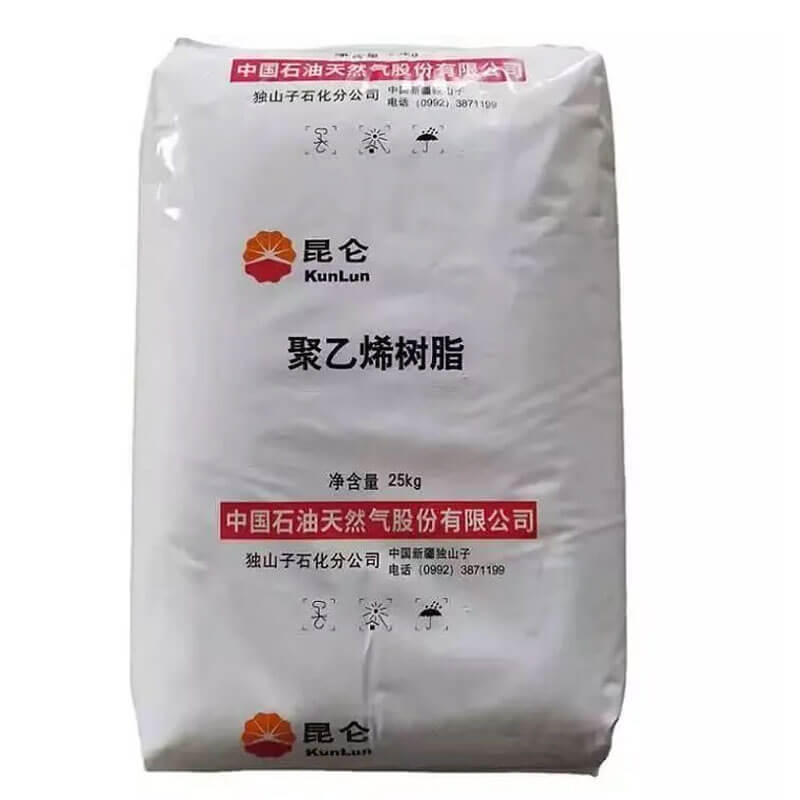
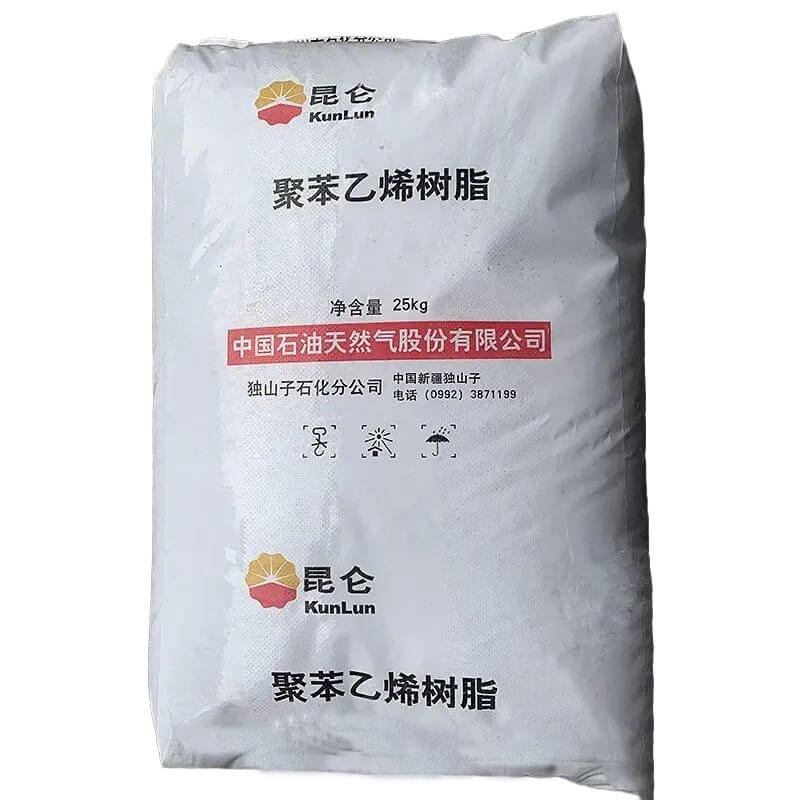
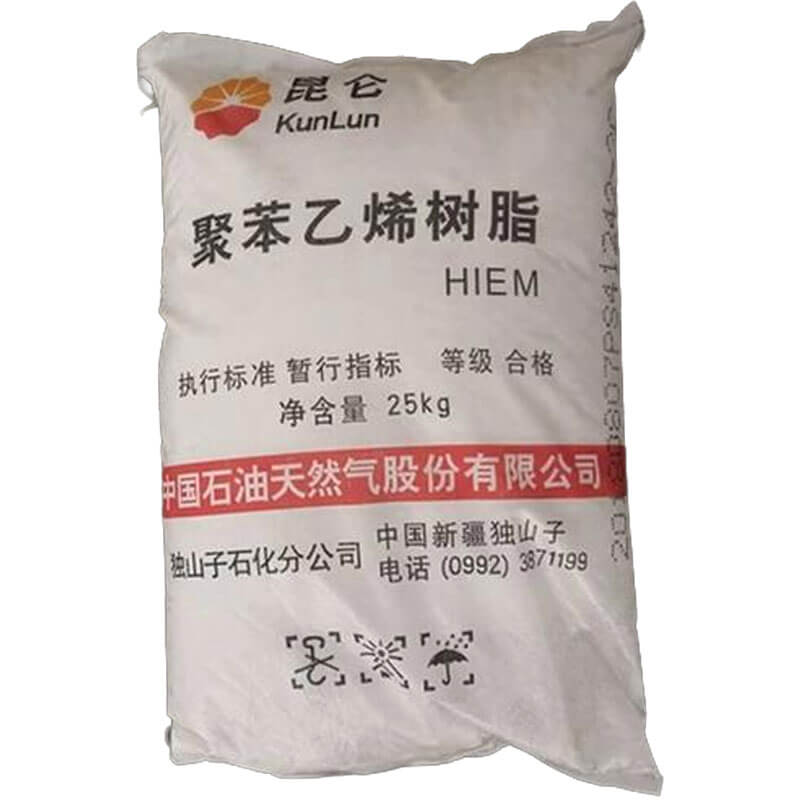
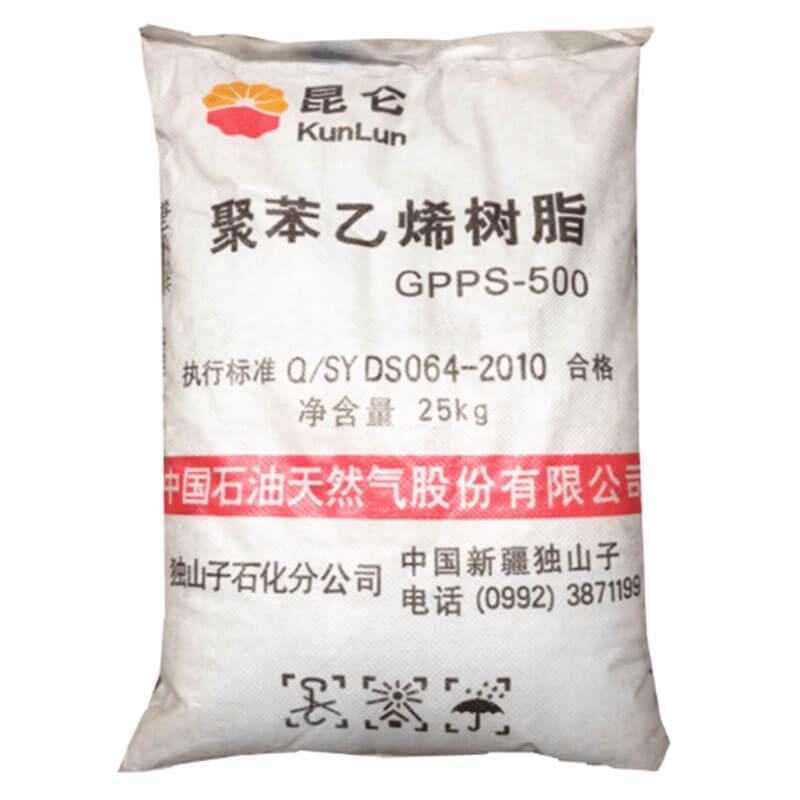
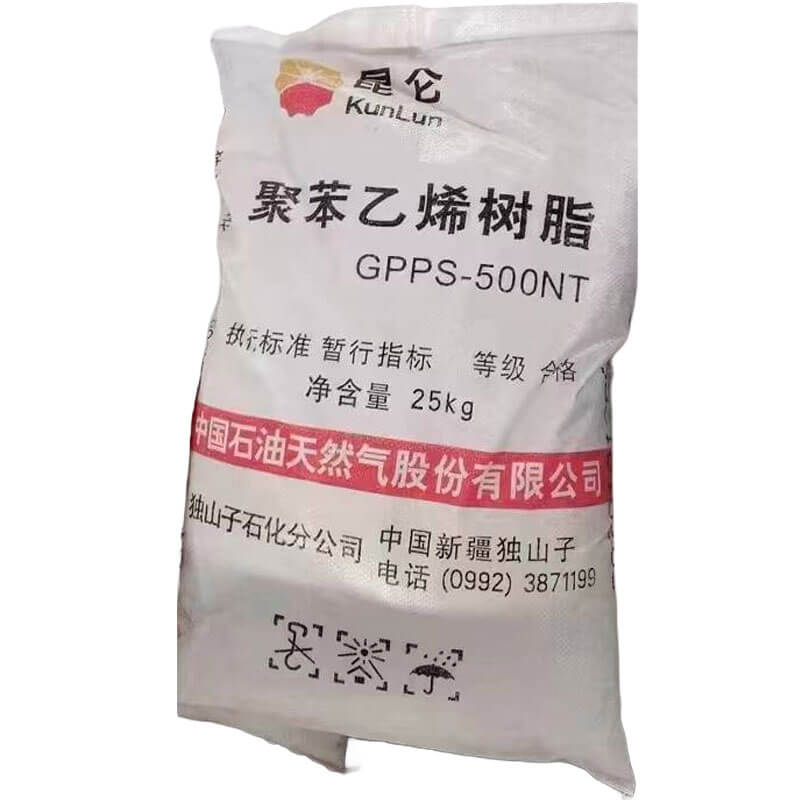
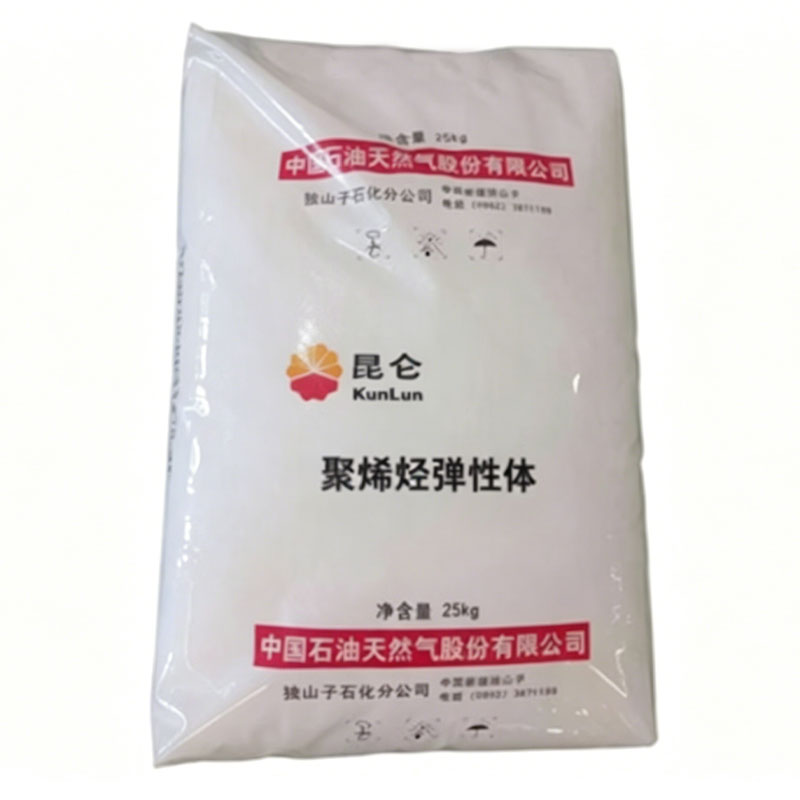
| Packing | Polyethylene PE supplied in 25 kg bags, sealed moisture-proof lined, palletized and wrapped for safe transport. |
| Container Loading (20′ FCL) | 20′ FCL container loading of Polyethylene PE: secure palletized packaging, even weight distribution, proper bracing for safe, efficient transport. |
| Shipping | Polyethylene (PE) is shipped as non-hazardous resin pellets, granules, or powder in sealed multi-wall bags, FIBC bulk bags, or lined containers. Keep dry and contamination-free during transit. It may be transported by truck, rail, or sea freight. PE does not require dangerous goods classification under standard shipping regulations. |
| Storage | Store polyethylene (PE) in a cool, dry, well-ventilated area away from direct sunlight, heat sources, and open flames. Keep containers tightly sealed to prevent contamination and moisture absorption. Avoid generating dust; if dusty, use appropriate controls. Separate from strong oxidizers. Maintain good housekeeping, and follow local regulations for safe handling and storage. |
| Shelf Life | Polyethylene (PE) has an indefinite shelf life when stored properly, protected from UV light, heat, and oxidizing agents. |
Film-grade LLDPE with a melt index of 1.0 g/10 min at 190 °C / 2.16 kg and a density of 0.918–0.922 g/cm³ serves as the primary resin for moisture-barrier layers in frozen-food lamination webs and high-clarity packaging. The formulation for a monolayer or skin layer typically places PE resin at 96.5–99.0 wt%, a fluoropolymer-free processing aid masterbatch at 0.5–1.5 wt%, and a slip/antiblock masterbatch at 0.5–2.0 wt%, with LDPE added at 10–20 wt% only when heat-seal initiation below 105 °C is required. Material compliance must reference FDA 21 CFR 177.1520 for food-contact olefin polymers and EU Regulation No 10/2011, where overall migration must remain below 10 mg/dm² under the intended time–temperature conditions. The extrusion line uses a single-screw extruder with screw L/D of 24:1–30:1, die gap of 1.5–2.5 mm, blow-up ratio of 2.0:1–3.0:1, and frost-line height of 600–900 mm; melt temperature is held at 190–235 °C to prevent gel formation on the screw root. On high-output lines, bubble instability and draw resonance appear when the frost-line height exceeds 900 mm or when the die pressure drops below 15 MPa. Optical haze is tested under ASTM D1003, normally below 8% at 50 µm thickness; dart impact is assessed under ASTM D1709 with values dependent on resin density and gauge. Finished product types include frozen-food lamination films, retail produce bags, collation shrink films, and heavy-duty industrial liners.
Injection-molding grades of HDPE with a melt index of 4.0–10.0 g/10 min at 190 °C / 2.16 kg and a density of 0.952–0.960 g/cm³ are used for integral-hinge closures, pail lids, and stacking crates. The compound formulation for a cap or pail lid consists of HDPE resin at 95.0–98.0 wt%, color masterbatch at 1.0–3.0 wt%, and a nucleating masterbatch dosed to achieve 0.05–0.2 wt% active nucleant in the final melt; slip packages are restricted because excess erucamide migrates to the hinge surface and can reduce weld-line strength. Relevant specifications include ASTM D4976 for material classification, ASTM D638 for tensile yield, ASTM D1693 for environmental stress-crack resistance, ASTM D256 for Izod impact, FDA 21 CFR 177.1520 for food-contact closures, and EU Regulation No 10/2011 for overall migration. Processing on a reciprocating-screw injection machine with screw L/D of 18:1–22:1 and compression ratio of 2.5:1 uses melt temperature 180–240 °C, mold temperature 10–40 °C, injection pressure 70–120 MPa, and clamp force 3–5 kN/cm² of projected area. Residence times above 5 min at 240 °C can produce oxidative yellowing and a measurable loss in hinge flexural resistance. The finished component range includes beverage caps, industrial pail lids, agricultural crates, and reusable transport totes.
Pressure pipe compounds based on PE100-RC or PE4710 carry a minimum required strength of 10 MPa at 50 years and 20 °C according to ISO 12162 and ISO 9080. For black pipe, the formulation adds carbon black masterbatch at 5–6 phr to a virgin PE100 base of 100 phr, yielding 2.0–2.5 wt% carbon black; non-black blue water pipe uses a hindered amine and phenolic stabilizer package at 0.2–0.5 wt% without carbon black. Compliance is governed by ISO 4427-2 for water, ISO 4437 for gas, EN 12201-2 for European water pipe, ASTM D3350 for cell classification, and ASTM F714 for SDR-PR pipes. Extrusion on a grooved-barrel single-screw machine with L/D 30:1–36:1 and die gap 1.2–2.5 mm requires melt temperature 190–230 °C, melt pressure 20–40 MPa, and vacuum calibration pressure 0.2–0.6 bar; cooling water is held at 15–25 °C. A production-scale failure mode is die-lip build-up at the mandrel exit, which creates longitudinal scoring when melt temperature drifts above 230 °C; another is shark-skin melt fracture when wall shear stress exceeds 0.14–0.30 MPa depending on die-entry geometry. Residual internal stress is controlled by staged cooling, and line speed is set by diameter from 0.5 m/min for large-diameter thick-wall pipe to 10 m/min for small SDR 11 service pipe. The table below records the main release tests and acceptance limits for PE100 pipe compound. Finished products include potable water mains, gas distribution lines, and industrial mining slurry pipe.
| Standard / method | Property | Typical acceptance criterion |
|---|---|---|
| ISO 1133-1 | Melt mass-flow rate at 190 °C / 5.0 kg | 0.2–1.4 g/10 min for PE100 |
| ISO 1183-1 | Compound density | 0.950–0.965 g/cm³ for black PE100 |
| ISO 1167-1 | Hydrostatic strength at 20 °C / 12.4 MPa | No failure before 100 h |
| ISO 9080 | Long-term hydrostatic strength | MRS 10 MPa at 50 yr |
| ASTM D3350 | Cell classification for HDPE pipe | PE 445574 C or equivalent PE4710 |
For seamless chemical storage vessels, rotomolding powders produced from medium-density polyethylene with a melt index of 2.0–6.0 g/10 min and a particle size distribution of 150–425 µm are dry-blended into single-cavity tools. The powder charge typically contains PE resin at 98.0–99.5 wt%, hindered phenolic antioxidant at 0.1–0.3 wt%, UV stabilizer masterbatch at 0.2–0.5 wt%, and color masterbatch at 0.25–0.5 wt%. For potable-water and food-contact containers, the resin must comply with FDA 21 CFR 177.1520, EU Regulation No 10/2011, and for vessel performance ASTM D1998. The rotational molding cycle heats closed steel or cast aluminum tooling to 260–315 °C until the internal air temperature reaches a peak of 200–220 °C; biaxial rotation at 3–8 rpm primary and 6–12 rpm secondary is maintained during heating, followed by forced-air and water-mist cooling. Overheating beyond 240 °C internal air temperature can create pinhole voids from internal volatiles, while peak internal air temperature below 190 °C produces incomplete fusion at weld lines. Terminal finished products include vertical cylindrical tanks from 500–5000 L for agricultural chemicals, water storage tanks, and portable containment basins.
Cable jacketing compounds formulated from HDPE with a melt index of 0.3–0.7 g/10 min and a density of 0.945–0.955 g/cm³ are specified for abrasion-resistant outer sheaths. The black jacket formulation uses HDPE resin at 100 phr, a 40% carbon black masterbatch at 6–7 phr to achieve 2.5 wt% carbon black, and an antioxidant package at 0.1–0.3 phr. For silane-crosslinked LDPE insulation, the compound uses silane-grafted LDPE at 95.0–97.5 wt% and catalyst masterbatch at 2.5–5.0 wt%; cure occurs in a water bath at 80–95 °C for 4–8 h. Material requirements are defined by ASTM D1248 for polyolefin extrusion materials, IEC 60502-1 for low-voltage power cable, UL 44 for thermoset insulated wire, RoHS 2011/65/EU, and REACH SVHC screening. Extrusion coating uses a cross-head die with single-screw L/D of 24:1–30:1, conductor preheat at 80–150 °C, and melt temperature 180–250 °C; pressure-type dies are used for conductor coating to prevent voids at high line speed. Non-crosslinked LDPE insulation is limited to continuous conductor temperatures not exceeding 75 °C; silane-crosslinked PE raises the rating to 90 °C. Published data for specific cure kinetic curves at line speeds above 800 m/min is limited, and validation on the target line is required. Finished products include CATV drop cable outer jackets, buried telephone service wire insulation, and low-voltage control cable sheaths.
On tape extrusion lines, high-molecular-weight HDPE raffia grades with a melt index of 1.5–3.0 g/10 min and a density of 0.952–0.960 g/cm³ are oriented into tensile-bearing tapes for bulk packaging and geotextile fabrics. The compound consists of HDPE resin at 96.0–99.0 wt%, UV stabilizer masterbatch at 1.5–3.0 wt%, color masterbatch at 1.5–3.0 wt%, and processing aid at 0.2–0.5 wt%; slip agents are avoided because they reduce inter-tape friction in woven fabric. The material is classified under ASTM D4976, and finished FIBC structures are tested to UN 13H2 and ISO 21898 for flexible intermediate bulk containers; geotextile fabric tensile properties are assessed by ISO 13934-1. The cast-film tape process extrudes through a flat die with die gap 0.6–1.2 mm, quenches in water at 25–35 °C, slits to 2.0–5.0 mm, then stretches in a hot-air oven at 100–120 °C at a stretch ratio of 6:1–9:1 before annealing. Stretch ratios below 6:1 reduce tenacity of the oriented tape, while ratios above 9:1 can initiate fibrillation at slit edges. Finished products include FIBC bulk bags, woven sacks, silt-fence geotextiles, and bundling twine.
Competitive Polyethylene PE prices that fit your budget—flexible terms and customized quotes for every order.
For samples, pricing, or more information, please contact us at +8618136850665 or mail to sales4@ascent-chem.com.
We will respond to you as soon as possible.
Tel: +8618136850665
Email: sales4@ascent-chem.com
Flexible payment, competitive price, premium service - Inquire now!
Polyethylene (PE) is supplied as a semicrystalline thermoplastic resin obtained from ethylene polymerization. Commercial grades span a density range from 0.880 g/cm³ for very-low-density copolymers to 0.965 g/cm³ for high-density homopolymer when determined by ISO 1183-1 or ASTM D792. The melt flow index, measured at 190 °C under 2.16 kg according to ISO 1133-1:2022 or ASTM D1238, ranges from 0.2 g/10 min in pipe and blow molding grades to above 50 g/10 min in high-flow injection molding grades. Product specifications further include tensile yield strength per ISO 527-2 or ASTM D638-14, notched Izod impact per ISO 180, Vicat softening temperature per ISO 306, and environmental stress crack resistance per ASTM D1693 or ISO 22088. Food-contact grades comply with FDA 21 CFR 177.1520 and EU Regulation 10/2011, while medical grades may be specified under ISO 10993 biocompatibility evaluation. PE80 and PE100 denote pipe resin classifications rather than universal product model numbers. A specific commercial designation must be verified against the producer certificate of analysis, which lists density, melt flow index, tensile properties, and additive package.
The olefinic backbone contributes low moisture absorption, typically below 0.01% at 23 °C and 50% RH, high chemical resistance to dilute acids, bases, and polar solvents, and no hydrolyzable ester or amide groups. These characteristics distinguish PE from condensation polymers such as PET, polycarbonate, and polyamide, which require more rigorous drying and are more susceptible to hydrolysis. However, oxidative degradation is possible above 250 °C in air unless stabilizer packages are present, and long-term weathering requires carbon black or hindered amine stabilizers.
Grade selection is controlled by density, molecular weight distribution, comonomer type, and long-term strength classification. Density segments are defined as very-low-density polyethylene below 0.915 g/cm³, linear low-density polyethylene from 0.916 g/cm³ to 0.940 g/cm³, medium-density polyethylene from 0.930 g/cm³ to 0.940 g/cm³, and high-density polyethylene from 0.941 g/cm³ to 0.965 g/cm³. Melt flow index is not a direct rheology specification but remains the primary incoming inspection parameter for extrusion and injection molding because it is rapid and reproducible. Applied load and temperature must be stated; a high-load melt flow value at 21.6 kg per ISO 1133-1:2022 can be used to estimate molecular weight distribution through a flow rate ratio. Uniformity of pellet bulk density and external lubricant level affects feeding stability on grooved-feed extruders.
| Grade family | Density range | Melt flow index at 190 °C/2.16 kg | Typical processing routes | Primary specification tests |
| HDPE pipe | 0.945–0.965 g/cm³ | 0.2–0.5 g/10 min | Pipe extrusion | ISO 9080, ISO 12162, ISO 13479 |
| HDPE blow molding | 0.945–0.962 g/cm³ | 0.2–2.0 g/10 min | Extrusion blow molding | ISO 527-2, ASTM D1693 |
| HDPE injection molding | 0.950–0.965 g/cm³ | 5–50 g/10 min | Injection molding | ISO 180, ISO 306 |
| LDPE film | 0.917–0.930 g/cm³ | 0.2–4.0 g/10 min | Blown and cast film | ISO 527-3, ASTM D1922 |
| LLDPE film | 0.916–0.940 g/cm³ | 0.5–4.0 g/10 min | Blown and cast film | ISO 7765-1, ASTM D1709 |
| MDPE rotomolding | 0.930–0.940 g/cm³ | 0.5–6.0 g/10 min | Rotational molding, extrusion | ISO 527-2, ISO 179 |
| UHMWPE | 0.930–0.945 g/cm³ | Not applicable | Ram extrusion, compression molding | ISO 11542, ASTM D4020 |
Incoming QC for HDPE pipe compounds commonly includes density by ISO 1183-1, melt flow index by ISO 1133-1:2022, carbon black content by ISO 6964, and oxidative induction time by ISO 11357-6. The oxidative induction time value above 20 min at 200 °C under oxygen is typical for stabilized pipe grades, but the specific limit depends on the product standard.
For high-density ethylene-α-olefin copolymers processed on injection molding machines with clamp force above 150 t, melt temperatures between 200 °C and 250 °C are used for medium-flow grades. Extended residence time above 250 °C in the barrel can shift the molecular weight distribution, reduce notched Izod impact, and increase plate-out on the screw root. A general-purpose polyolefin screw with 20:1 to 25:1 L/D and compression ratio 2.5:1 to 3.5:1 is typical; vented barrels are not required for undried natural PE unless the resin has been exposed to ambient humidity above 60% RH for prolonged storage. Mold temperatures of 20–60 °C influence crystallinity and shrinkage, with HDPE linear mold shrinkage generally reported at 1.5–2.5% in the flow direction and 1.0–2.0% transverse. These values are grade- and colorant-dependent and require tool-trial confirmation.
Blown film extrusion differentiates LDPE and LLDPE by melt strength, bubble stability, and seal initiation. Long-chain branching in autoclave or tubular LDPE increases melt strength, permitting film gauge tolerance below ±5% at 25 µm; LLDPE with a narrow molecular weight distribution often requires a die gap of 1.2–2.0 mm, a blow-up ratio of 2.0:1 to 3.5:1, and a frost line height of 3–6 die diameters to avoid bubble instability. In 40–60 mm single-screw extruders with 30:1 L/D barrier screws, melt temperatures of 190–220 °C are typical; screen pack pressure above 150 bar is considered excessive and indicates poor dispersion or gel accumulation. The addition of 10–20 wt% LDPE to LLDPE raises melt strength and reduces draw resonance but increases haze measured per ASTM D1003. Dart impact per ISO 7765-1 or ASTM D1709 and Elmendorf tear per ASTM D1922 are influenced by comonomer type: 1-octene LLDPE typically provides higher machine-direction tear resistance than 1-butene LLDPE at equivalent density and thickness. Heat seal initiation temperature for common LLDPE film grades is commonly in the range 100–120 °C, but published data for specific resin formulations should be obtained from the producer.
Extrusion coating onto paper and board uses LDPE grades with melt flow index 7–20 g/10 min and density 0.915–0.925 g/cm³. Processing is conducted at melt temperatures of 300–325 °C, above typical film extrusion temperatures, to promote adhesion at line speeds above 200 m/min. Neck-in and draw resonance are controlled by melt elasticity; autoclave LDPE displays narrower neck-in than tubular LDPE at equal melt flow index. Coating weight can be reduced to 8–12 g/m² using high-flow grades, but pinhole density increases below 8 g/m². Adhesion to aluminum foil requires corona treatment or an adhesion promoter; published data for specific substrate combinations is limited.
PE100 pressure pipe compounds are classified by long-term hydrostatic strength regression according to ISO 9080 and ISO 12162, requiring a minimum required strength of 10 MPa at 50 years and 20 °C. Pipe extrusion on 65 mm or 90 mm single-screw extruders with 33:1 L/D grooved-feed sections is conducted at melt temperatures of 180–210 °C; temperatures above 220 °C risk molecular weight loss and reduce slow crack growth resistance measured by ISO 13479 or ASTM F1473. Carbon black dispersion of 2.0–2.5 wt% is assessed by ISO 18553. Wall thickness control is typically maintained inside ±3% of nominal. When welding pipe, hot plate temperature is set at 200–220 °C; bead size and cooling time under pressure follow DVS 2207-1 or ISO 21307 depending on diameter. Published data for butt fusion of PE100RC grades is still limited, but their lower sagging tendency at 220 °C supports thicker-wall installations.
Ultra-high-molecular-weight polyethylene has an average molecular weight above 3.1×10⁶ g/mol and does not flow sufficiently for conventional screw extrusion. Ram extrusion and compression molding at 180–220 °C produce stock shapes with tensile yield of 21–28 MPa and elongation at break above 300% per ISO 527-2. Abrasion resistance in wet sand slurry tests is substantially higher than HDPE, with some published data indicating volume loss ratios of 5:1 to 10:1, but values are highly particle-size-dependent. Crosslinked PE is produced by silane grafting, peroxide curing, or electron beam irradiation; gel content above 70% per ASTM D2765 is typical for hot-water pipe. Crosslinked PE creep resistance at 80 °C exceeds that of uncrosslinked HDPE and allows higher pressure ratings at elevated temperature, but crosslinked material cannot be reprocessed by melt extrusion. In wire and cable jacketing, silane-crosslinked PE can achieve insulation thicknesses below 0.5 mm while meeting IEC 60502 aging requirements.
In biaxially rotational molds, grades with density 0.935–0.945 g/cm³ and melt flow index 3–6 g/10 min are processed at oven temperatures of 250–300 °C for cycle times of 15–30 min depending on wall section. Powder particle size distribution is controlled at 35 mesh (500 µm) or finer, because fine powder improves sintering and surface reproduction but increases dust and housekeeping requirements. Peak internal air temperature provides the most consistent release criterion for mold opening; early release below the recrystallization temperature leads to warpage and impact loss. Low-temperature impact per ASTM D1790 is frequently specified for rotational molded fuel tanks and outdoor enclosures.
Polypropylene homopolymer exhibits flexural modulus of 1,400–1,800 MPa, versus 800–1,400 MPa for HDPE and 150–300 MPa for LDPE when tested by ISO 178. Continuous service temperature for PP under load is commonly 90–100 °C, while unreinforced HDPE is generally limited to 60–80 °C in structural applications. PVC-U offers tensile strength near 50 MPa and flame retardance due to chlorine content, but heat stabilizers and plasticizer migration must be managed; PE contains no halogen and does not require plasticizer for flexibility below 0.930 g/cm³. Compared with PET, PE provides lower water vapor transmission rate and superior low-temperature impact but much lower oxygen barrier and clarity. When used as a replacement for ABS in injection molded components, HDPE sacrifices notched impact strength and surface gloss but improves resistance to dilute acids and alkaline cleaners. The table below summarizes typical comparative values; these are not design limits and require grade-specific confirmation.
| Property | HDPE | PP homopolymer | PVC-U | PET |
| Density | 0.945–0.965 g/cm³ | 0.900–0.910 g/cm³ | 1.35–1.45 g/cm³ | 1.35–1.40 g/cm³ |
| Tensile yield | 22–31 MPa | 30–40 MPa | 45–55 MPa | 55–80 MPa |
| Flexural modulus | 800–1,400 MPa | 1,400–1,800 MPa | 2,400–3,000 MPa | 2,400–3,100 MPa |
| Heat deflection temperature at 0.455 MPa | 70–90 °C | 100–120 °C | 70–80 °C | 70–80 °C |
| Water absorption in 24 h | <0.01% | 0.01–0.03% | 0.1–0.4% | 0.1–0.2% |
These comparative values are generated from standard injection molded or extruded specimens under ISO 10350 reporting conditions; application-specific electrical, barrier, and long-term aging data must be evaluated separately because formulation additives, orientation, and wall thickness shift performance outside the range of short-term test values.