Polypropylene K4912

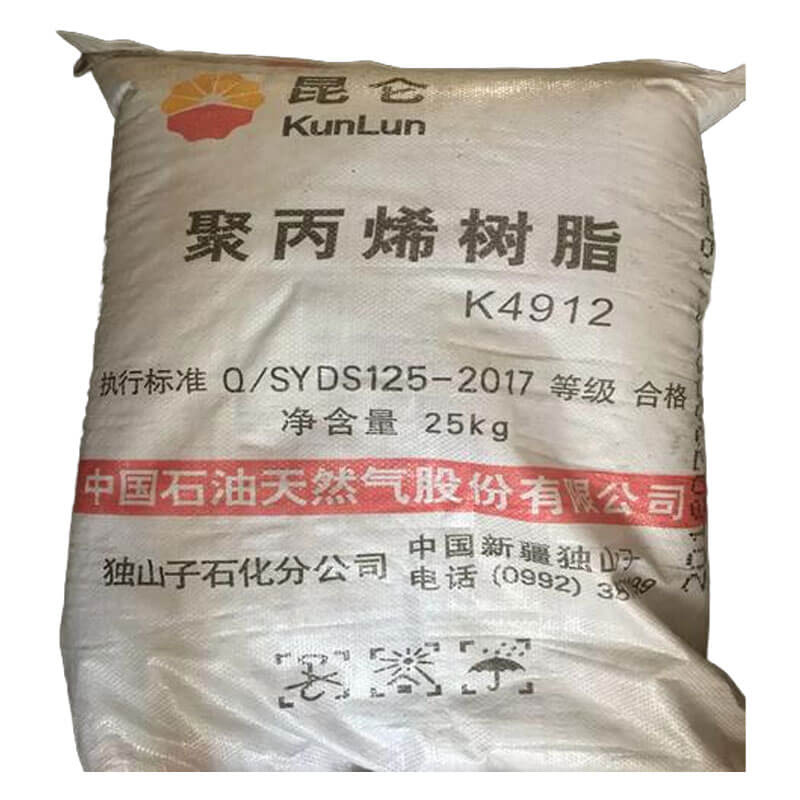
    • Product Name: Polypropylene K4912
    • Factroy Site: No. 6 Beijing Road, Dushanzi, Xinjiang
    • Price Inquiry: sales4@ascent-chem.com
    • Manufacturer: PetroChina Dushanzi Petrochemical Company
    • CONTACT NOW
    Specifications
    HS Code 159962
    Density 0.90 g/cm³
    Melt Flow Rate 10 g/10 min (230°C, 2.16 kg)
    Tensile Yield Strength 25 MPa
    Elongation At Yield 10 %
    Flexural Modulus 800 MPa
    Izod Notched Impact Strength 23c 5.0 kJ/m²
    Izod Notched Impact Strength 20c 1.5 kJ/m²
    Rockwell Hardness R80
    Vicat Softening Point 120 °C
    Heat Deflection Temperature 0 45mpa 80 °C
    Melting Point 140 °C
    Transparency transparent

    As an accredited Polypropylene K4912 factory, we enforce strict quality protocols—every batch undergoes rigorous testing to ensure consistent efficacy and safety standards.

    Packing & Storage
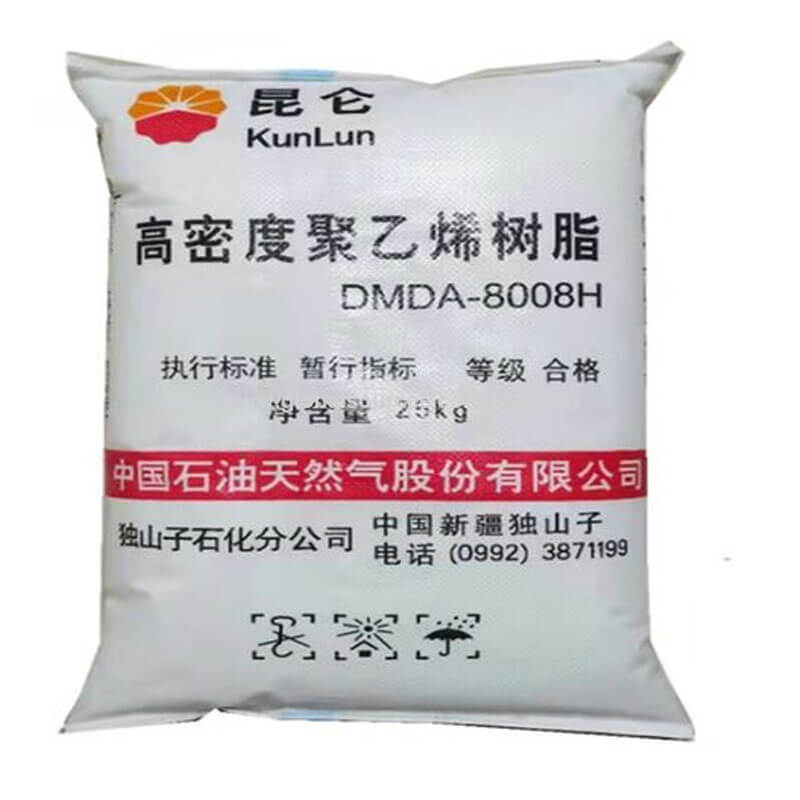
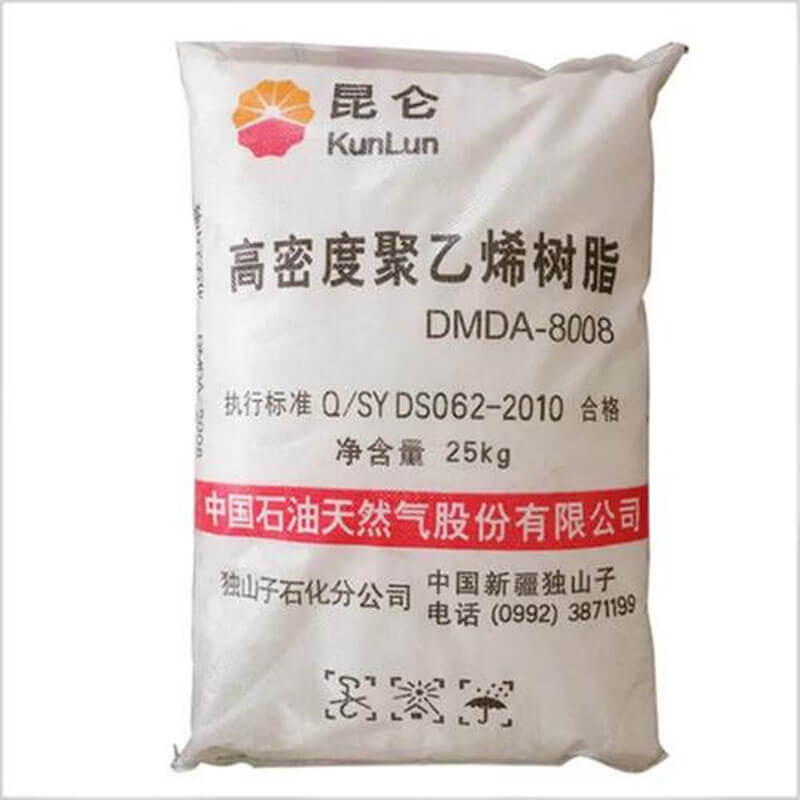
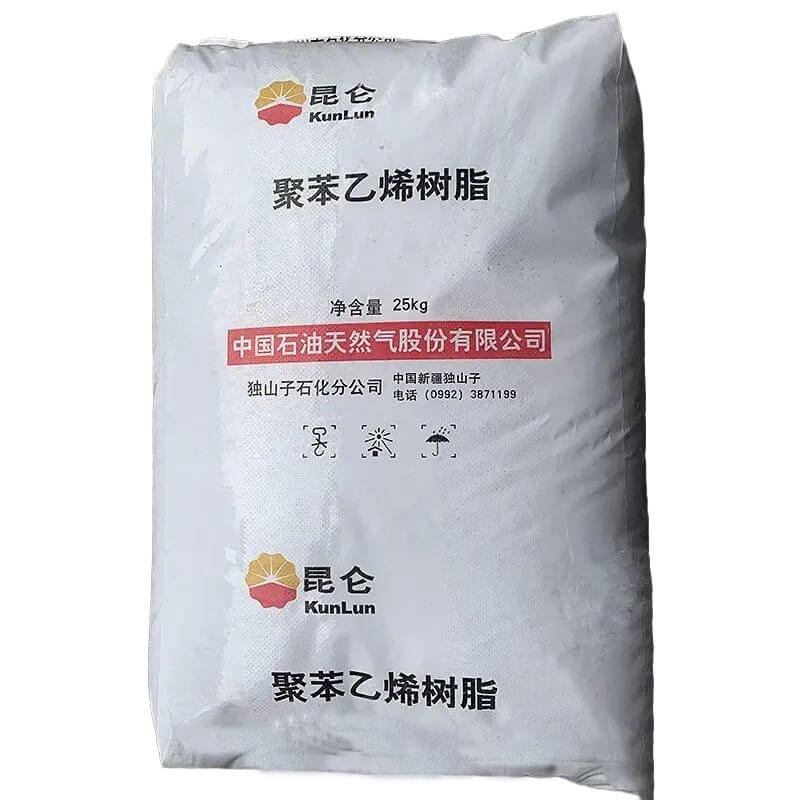
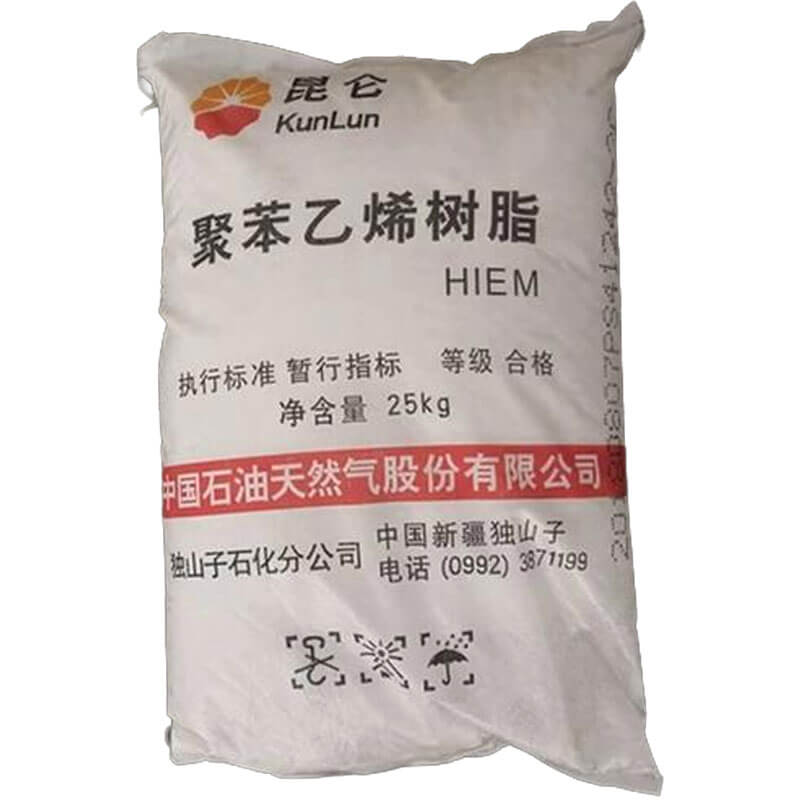
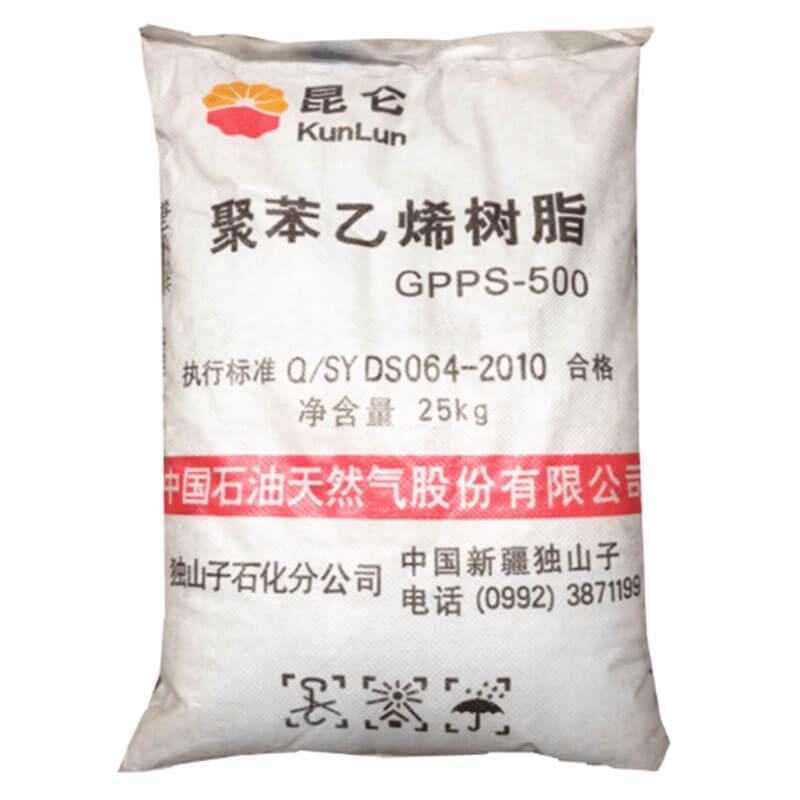
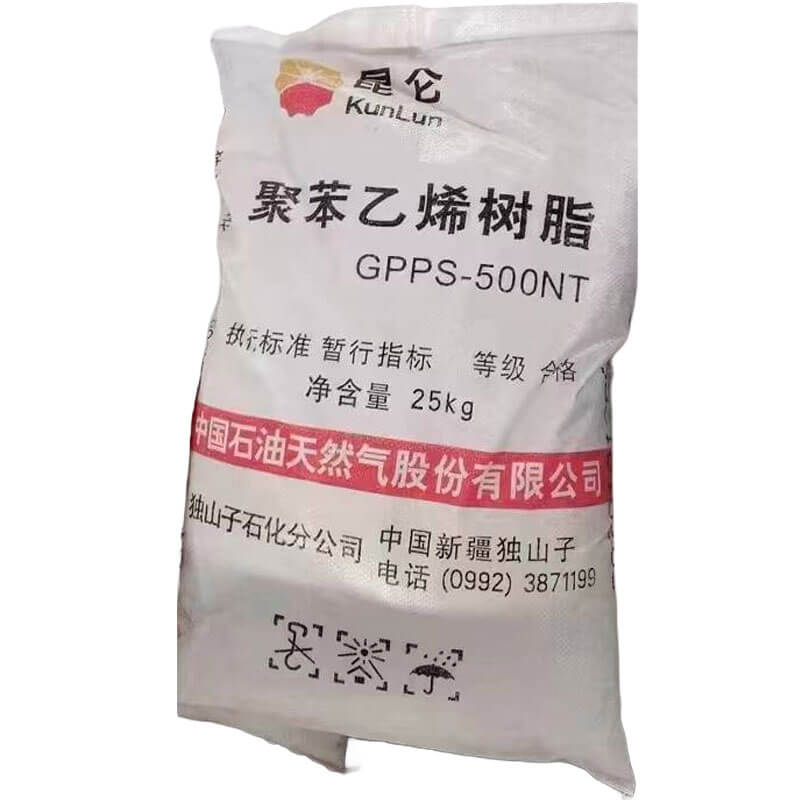
    Packing Polypropylene K4912 is supplied in 25 kg woven bags with inner liners, ensuring safe handling, moisture protection, and easy storage.
    Container Loading (20′ FCL) Polypropylene K4912 is loaded into a 20′ FCL, securely stowed with dunnage, ensuring safe transport and container stability.
    Shipping Polypropylene K4912 ships as non-hazardous resin pellets in sealed bags or bulk containers. Protect from moisture, direct sunlight, and excessive heat. Use clean, dry transport equipment and avoid rough handling to prevent bag damage. Keep away from ignition sources and incompatible materials. Standard freight handling is sufficient; no special regulatory classification required.
    Storage Store Polypropylene K4912 in a cool, dry, well-ventilated area away from direct sunlight, heat, and ignition sources. Keep containers tightly sealed to prevent moisture pickup and contamination. Avoid generating dust; if dust forms, use grounded equipment and good housekeeping. No special storage restrictions apply under normal conditions, but keep away from strong oxidizers.
    Shelf Life Shelf life is typically 12 months when stored unopened in original packaging, away from heat, moisture, and direct sunlight.
    Application of Polypropylene K4912

    Polypropylene K4912 is processed as an impact copolymer in injection molding and compounding lines where notched impact performance at low temperature must be balanced against cavity filling pressure loss. The melt flow rate determined according to ISO 1133-1:2022 at 230°C/2.16 kg is commonly reported in the 10–12 g/10 min range, but the value alone is not a predictor of weld-line or low-speed puncture behavior. Each downstream segment below is therefore separated by processing window, additive loading, compliance burden, and the dominant failure mechanism observed in production trials.

    Low-Temperature Ductile Failure and Clamp Force Accounting in Automotive Interior Substrate Molding

    In automotive interior substrate molding, K4912 is compounded with talc masterbatch at 10–25 wt% to reduce coefficient of linear thermal expansion and control warpage across large area instrument panel carriers. The base material is dried at 80°C only when surface moisture pickup exceeds 0.05 wt% after storage in relative humidity above 60%. Melt temperature is held between 210°C and 240°C, while mold wall temperature is maintained from 20°C to 60°C depending on gloss and grain replication requirements. Injection pressure is usually below 120 MPa, but clamp force calculation for a door trim panel should use projected area multiplied by cavity pressure of 35–45 MPa. The primary production rejection modes are sink marks at boss locations and cold-temperature ductile failure at rib-to-wall intersections. Notched Izod impact resistance at −20°C tested under ISO 180 can fall below room temperature values by more than 40% in talc-filled compounds, which drives minimum rib radius and gate location decisions. Part designs with local wall thickness below 1.5 mm must not place weld lines behind passenger airbag chute areas unless a sacrificial rib or overflow well is added. Terminal components include lower instrument panel substrates, glove box housings, door trim carriers, pillar covers, map pocket backs, and seat side trim panels. Compliance is governed by ISO 3795 or FMVSS 302 for burn rate, and volatile organic compound delivery limits per VDA 277 or OEM-specific fogging tests where interior air quality is controlled.

    PropertyMethodSpecimenTrial criterion
    Notched Izod at 23°CISO 180Type A notch, 4 mmOEM floor, typically ≥10 kJ/m² for talc-filled compound
    Notched Izod at −20°CISO 180Type A notch, 4 mmOEM floor
    Burn rateISO 3795Interior horizontal≤100 mm/min
    FoggingDIN 75201ReflectometricOEM-specific

    What Limits Hydrolytic Stress Cracking in Washing Machine Outer Tub Compounds?

    Because alkaline detergent solution at 95°C accelerates stress cracking in semi-crystalline polymers, washing machine outer tub formulations based on K4912 require a talc loading of 20–35 wt% and an impact modifier level adjusted to maintain cold flex fatigue at start-up vibration. The compound is processed at melt temperature 220–250°C and mold surface temperature 30–60°C, with a cycle time target of 60–90 s for a 3.0 mm nominal wall tub. Resistance to hydrolytic degradation is maintained by using acid scavengers and stabilizer packages at 0.2–0.4 wt% rather than by increasing polymer molecular weight alone. Compounding with amine-based antistatic additives is avoided because they can interfere with long-term thermal stabilizer and acid scavenger performance. The load-bearing areas around bearing housing inserts and balance ring snap fits are gated such that the weld line is moved away from the maximum flexural fiber stress. Creep modulus at 95°C under ISO 899-2 is a more critical design parameter than tensile yield strength because tub deflection alters spin balance. Electrical safety and mechanical containment are evaluated under IEC 60335-2-7 with hot water pump blocking tests, while long-term hydrostatic stress cracking resistance is compared by ISO 22088-3 bent strip method in detergent solution. Terminal products include outer tub shells, balance rings, lower counterweights, base frames, and pump housings.

    Thermal and Electrical Compliance Boundaries for Thin-Wall Enclosures

    For thin-wall electrical enclosures with wall thickness between 1.2 mm and 2.0 mm, K4912 provides flow length above 150:1 flow-length-to-thickness ratio under production fill speeds, but neat grade carries only UL 94 HB classification. Upgrading to V-2 at 3.0 mm or thinner demands addition of halogenated flame retardant masterbatch at 5–10 wt% containing antimony trioxide synergy, whereas halogen-free intumescent systems may require 25–35 wt% loading and produce marked loss of notched impact. Processing temperature should remain below 210°C for brominated flame retardant systems to prevent acidic gas release, but this constraint will increase viscosity and reduce thin-wall fill pressure; therefore a higher MFR variant of the same base or hot runner temperature of 230°C may be necessary. The migration kinetics of flame retardant additives to the surface affects glow wire ignition behavior and contact resistance, so surface deposition must be controlled through stabilizer selection and mold temperature. For enclosures in unattended appliances, glow wire testing under IEC 60695-2-11 is performed at 750°C or 850°C and the material must not ignite or must self-extinguish within 30 s after glow wire removal. Creepage and clearance distances are not material properties but the enclosure must retain dimensional stability under 90°C service; this is verified by HDT Type B under ISO 75-2:2013. Terminal products include junction boxes, terminal rail holders, relay covers, switch bezels, and door interlock brackets in appliances. The use of K4912 is restricted where continuous service exceeds 100°C without heat stabilization, or where UV exposure without carbon black exceeds 1000 h under ISO 4892-3 because surface chalking develops.

    Industrial battery container and lid molding with K4912 is evaluated primarily for resistance to dilute sulfuric acid at specific gravity 1.240–1.280 and for weld-line impact retention after accelerated acid exposure. The material is injection molded at wall thicknesses of 3.0–6.0 mm, with mold temperature below 40°C to minimize cycle time; high mold temperature improves crystallinity and acid barrier but lengthens cooling. Carbon black masterbatch is added at 2–3 wt% for opacity and UV screening, with antioxidant package at 0.2–0.5 wt% to resist oxidative attack from internal gas recombination. Weld lines at cell divider junctions are problematic because they form at the meeting of two melt fronts and retain less than 60% of the bulk flow direction tensile impact. Process adjustments such as overflow wells, sequential valve gating, or reduced injection velocity at the end of fill are required to move the weld line away from the highest hydrostatic pressure zone. Dimensional stability under hot acid environments is monitored by ISO 175 immersion testing with mass change and tensile property retention recorded after 168 h at 60°C. Terminal products include battery containers, lids, vent plugs, terminal covers, and cell separators for stationary industrial batteries. Published data for this specific configuration is limited where sulfation layer buildup and cyclic pressure fatigue occur, so accelerated service trials with thermal cycling from −10°C to 60°C are used before approval.

    Compounding operations that use K4912 as a high-flow base for talc- and elastomer-filled thermoplastic polyolefin compounds require the balance between dispersive mixing and molecular weight retention to be controlled on a twin-screw extruder with L/D of 40:1 or larger. Barrel temperature is profiled from 180°C at feed to 210°C at the die, with a side feeder used after the polymer melting zone for talc addition at 20–30 wt%. Ethylene-propylene rubber or ethylene-octene elastomer is fed either as pre-blended pellets or as a split feed, and the total elastomer content ranges from 10–20 wt% depending on the low-temperature impact target. Screw speed is limited to 300–450 rpm for a 75 mm twin-screw machine, with specific mechanical energy monitored below 0.25 kWh/kg to limit chain scission. The melt flow rate drop after compounding should be less than 25% from the virgin K4912 feed value when the stabilizer package contains 0.2–0.5 wt% hindered phenolic and phosphite synergists. Terminal compounds are used for automotive wheel arch liners, rocker panel covers, underbody shields, battery trays, and cowl side trim. These filled compounds are typically designed to pass ISO 527-2 tensile, ISO 178 flexural, and ISO 180 Charpy impact requirements set by OEM material specifications.

    When Cold Impact Must Coexist with Weld Lines in Industrial Crate and Pallet Molding

    Industrial crate and pallet molding presents the problem of thick-section wall thickness with long flow paths, where K4912 alone may not provide sufficient low-speed puncture resistance at −20°C. For returnable transport packaging, a structural foam grade or chemical blowing agent masterbatch is added at 0.5–1.5 wt% to create a cellular core and reduce part density by 10–20%. Barrel temperature is maintained at 200–230°C and injection speed is set to fill the cavity before the blowing agent decomposition expands the flow front. Weld lines formed around handle cutouts and drainage holes are reinforced by local radius increase and by placing gates to avoid air traps. Drop impact at −10°C under ISO 6603-2 is used to compare crack initiation energy, and full crates must survive 1.0 m corner drop tests on concrete when loaded with 25 kg. Static stacking performance is evaluated by ISO 8611-2 or company-specific compression creep tests at 40°C for 28 days. Terminal products include collapsible crates, pallet boxes, dunnage trays, and agricultural returnable containers. The main operational boundary is that continuous UV exposure without carbon black masterbatch of 2–3 wt% will degrade surface tensile elongation within 1500 h of outdoor exposure under ISO 4892-2.

    Molding Furniture Components Without Hinge-Line Stress Whitening

    Molded furniture components fabricated from K4912 are selected where a living hinge or snap-fit must withstand repeated flex cycles without whitening. The polymer is processed at melt temperature 220–250°C and mold temperature 20–50°C; higher mold temperature is avoided because surface gloss rises and cycle time increases. Pigment masterbatch is added at 1–2 wt% for indoor colors, while outdoor formulations require hindered amine light stabilizer at 0.1–0.5 wt% plus carbon black or titanium dioxide to slow UV degradation. The critical processing boundary is the hinge zone: hinge thickness should be 0.25–0.50 mm, and the gate must fill across the hinge axis rather than along it to orient flow perpendicular to flex stress. Actual flexural modulus after molding is measured by ISO 178, and tensile yield stress by ISO 527-2; published datasheet values for K4912 provide only initial comparison, not endurance data. The main failure mode is stress whitening after 10,000–50,000 flex cycles at the hinge root, which is mitigated by adding an impact modifier or reducing pigment concentration below 1.5 wt% when high color saturation is not required. Terminal products include chair shells, stool bodies, armrests, folding table hinges, storage bin lids, and garden furniture connectors. Chemical resistance to household cleaners is assessed by ISO 175 using 24 h immersion in dilute alkaline and acidic solutions, with tensile strength retention above 85% required for use in contract furniture.

    Appliance base frames and fan housings molded from K4912 are compounded with chopped glass fiber at 10–20 wt% when the part must bear motor vibration and maintain clearance around rotating shafts. The injection molding screw should have a low compression ratio of 2.0:1 to 2.5:1 and a reverse barrel profile from 220°C down to 200°C at the nozzle to preserve fiber length. Back pressure is increased to 0.5–1.0 MPa to improve glass wet-out but excessive back pressure raises melt temperature and degrades the impact copolymer phase. Heat aging is performed at 100°C for 1000 h followed by ISO 527-2 tensile testing, with less than 10% loss in tensile strength required. Creep deflection under motor load is measured by ISO 899-2 at 80°C for 100 h because creep modulus determines shaft alignment after shipment. Compliance for household appliance components is assessed under IEC 60335-1 with abnormal operation tests, but the base polypropylene grade is not a substitute for a flame-retardant grade where a live terminal is within 12.7 mm of the enclosure surface. Terminal products include washing machine base frames, fan scroll housings, motor end caps, condenser brackets, and pump support brackets. The operational boundary is that glass fiber content above 20 wt% degrades surface finish and increases mold wear, requiring hardened tool steel or nitrided mold inserts for production runs above 500,000 cycles.

    Free Quote

    Competitive Polypropylene K4912 prices that fit your budget—flexible terms and customized quotes for every order.

    For samples, pricing, or more information, please contact us at +8618136850665 or mail to sales4@ascent-chem.com.

    We will respond to you as soon as possible.

    Tel: +8618136850665

    Email: sales4@ascent-chem.com

    Inquiry

    Get Free Quote of PetroChina Dushanzi Petrochemical Company

    Flexible payment, competitive price, premium service - Inquire now!

    Certification & Compliance
    More Introduction

    Polypropylene K4912 is a high-flow injection-moulding grade identified by the manufacturer’s alphanumeric designation. Publicly available trade literature classifies it as a nucleated polypropylene homopolymer intended for thin-wall conversion at high production rates. Its defining property is a melt flow rate near 100 g/10 min under ISO 1133-1:2022; this positions the grade among high-fluidity PP-H materials used when low melt pressure, short cycle time, and multi-cavity filling are critical. The following sections cover nominal specification data, processing behaviour on production-scale equipment, differences from lower-flow and copolymer grades, and regulatory verification.

    Mechanical and thermal specification data for K4912

    The nominal values below are taken from manufacturer-published documentation and corresponding test-method designations. They constitute a specification profile for material selection, not guaranteed upper or lower acceptance limits for every production lot.

    PropertyTest methodStated typical value
    Melt flow rateISO 1133-1:2022, 230 °C, 2.16 kg100 g/10 min
    DensityISO 1183-1:20190.90–0.91 g/cm³
    Tensile stress at yieldISO 527-2:2012, 50 mm/min35 MPa
    Tensile strain at breakISO 527-2:2012, 50 mm/min5 %
    Flexural modulusISO 178:2019, 2 mm/min1600 MPa
    Notched Izod impact strength, 23 °CISO 180:20192.0 kJ/m²
    Heat deflection temperature, 0.45 MPaISO 75-2:2013110 °C
    Vicat softening point, A50ISO 306:2022152 °C
    Moulding shrinkageISO 294-4:20181.3–1.5 %

    The melt flow rate of 100 g/10 min is the primary processing differentiator. Production lots may fall within a manufacturer-stated tolerance around this value, and incoming inspection should include melt flow verification rather than assuming batch uniformity. The flexural modulus of 1600 MPa supports load-bearing thin-wall geometry, but the notched Izod value of 2.0 kJ/m² indicates limited resistance to crack propagation. That impact reserve is lower than values typical of polypropylene impact copolymers containing dispersed ethylene-propylene rubber phases. Tensile strain at break of 5 % signals limited ductility; design features such as sharp corners, fine notches, and abrupt wall transitions can act as local stress concentrations. Laboratory values are generated on standard test bars moulded under controlled conditions; production articles may exhibit different properties because gate geometry, cooling rate, and flow-induced orientation differ.

    On accumulator-assisted hydraulic injection moulding machines with clamp force between 1200 kN and 3500 kN, K4912 is typically moulded at melt temperatures of 200 °C to 240 °C measured at the nozzle. Mould surface temperatures between 20 °C and 50 °C are normally used; the lower range accelerates cycle speed but can increase flow-line visibility on textured surfaces. For wall sections below 1.0 mm, fill times below 0.5 s are commonly required to prevent premature freeze-off before cavity packing. This condition demands fast injection speed and short decompression to avoid drool; with hot-runner manifolds, valve-gate timing must be sequenced so that gate tips do not freeze before packing is complete.

    Which processing constraints become critical in high-speed thin-wall moulding?

    The low melt viscosity that enables fast filling also narrows the stable holding-pressure window. If the velocity-to-holding-pressure switch-over occurs too late, the mould can flash at parting lines, ejector clearances, and venting channels. If holding pressure is too low or holding time too brief, parts exhibit sink marks at rib intersections and post-mould warpage from differential shrinkage. Process capability studies on high-cavity hot-runner tools should monitor cushion stability; cushion variation above 3 mm can produce measurable mass and dimension variation in this grade. Pre-drying is not normally required for dry polypropylene, but where sustained relative humidity exceeds 60 %, drying at 80 °C for 2 h in a desiccant-bed dryer with dew point below −30 °C prevents surface splay. Regrind addition should be evaluated for each part because the high base MFR can shift upward with repeated heat history; published data for K4912 regrind effects is limited. When the grade is compounded with colourant or functional masterbatch on a co-rotating twin-screw extruder with L/D 40, screw speeds above 600 rpm may generate viscous heating and shift the final MFR beyond the manufacturer’s stated tolerance. Die-face pelletizing with inlet water below 60 °C reduces pellet agglomeration.

    Detailed process simulation requires capillary rheometry data, because a single melt flow rate value does not capture shear-thinning behaviour across the injection speed range. Rheological measurements should be generated according to ISO 11443:2021 and entered into CAE software as corrected viscosity curves. For thin-wall containers with wall stock of 0.8 mm, gate-freeze time is short; packing time must be established by gate-freeze studies on pin gates of 0.6–1.0 mm diameter rather than by generic machine settings. Once the gate is frozen, additional holding pressure produces no further mass increase but may extend cycle time unnecessarily. Multi-cavity hot-runner systems with natural flow imbalance require cavity-specific packing control; otherwise cavity-to-cavity mass variation can exceed 1.5 % and generate visible warpage in tight-tolerance lids.

    Compared with a medium-flow PP homopolymer with MFR near 12 g/10 min, K4912 offers lower melt viscosity and shorter fill time in thin sections. The pressure reduction depends on gate geometry, flow length, and injection speed; a universal percentage should not be applied. Relative to impact copolymers containing 3–5 wt% ethylene comonomer, K4912 provides higher flexural modulus and higher heat deflection temperature, but lower low-temperature impact strength; drop tests below 0 °C may produce brittle fracture. Against general-purpose high-flow PP-H grades, the distinguishing feature of K4912 is the manufacturer’s specified nucleated morphology, which increases stiffness while altering shrinkage anisotropy; direct head-to-head comparative data with other high-flow nucleated grades is limited in public literature. K4912 is not intended for extrusion blow moulding or thermoforming because its melt strength is insufficient for stable parison and sheet formation.

    Reported application fields include thin-wall food containers, cups, lids, cutlery, and housewares moulded in high-cavity hot-runner tools. The high MFR permits filling of long flow-length-to-wall-thickness ratios, but weld-line strength should be verified under ISO 527-2:2012 whenever multiple gates or hole-forming pins interrupt flow. In food-contact applications, the converter must confirm that colourants, acid-neutralisers, processing aids, and masterbatch carriers meet the relevant end-use compositional requirements; the resin designation alone does not provide food-contact certification.

    When food-contact or regulatory documentation governs material selection

    Regulatory conformity is established through supplier documentation and final-article testing, not from the grade designation alone. For olefin polymers intended for food contact, FDA 21 CFR 177.1520 provides the base polymer framework under United States regulation. In the European Union, plastic food-contact materials are governed by Regulation (EU) No 10/2011; migration testing is performed on the finished article, not on K4912 as an isolated resin. REACH compliance is addressed under Regulation (EC) No 1907/2006, and articles for electrical and electronic equipment may require verification against RoHS Directive 2011/65/EU if the resin is used in components within the directive’s scope.

    Regulatory or standard referenceScope in K4912 useVerification requirement
    FDA 21 CFR 177.1520Olefin polymers for repeated food contactSupplier declaration; end-use extractive testing if required
    Regulation (EU) No 10/2011Plastic materials in food contactOverall migration and specific migration on final article
    REACH Regulation 1907/2006Registration and SVHC dutiesSafety data sheet confirmation
    RoHS Directive 2011/65/EURestricted substances in EEESupplier statement if final part is electrical/electronic
    ISO 1133-1:2022Melt flow rateLot release and incoming inspection
    ISO 178:2019Flexural modulusMechanical property verification on moulded specimens

    Operational boundaries must be respected. K4912 is not recommended for continuous service above 90 °C under mechanical load without creep data; long-term UV exposure requires additional stabilisation and accelerated ageing under ISO 4892-2:2013. The low-viscosity melt can enter venting channels; vent depths above 0.02 mm may flash, so vents should be ground to the lower range and tested at full injection speed. Chemical resistance should be checked for chlorine, strong oxidising agents, and solvents because polypropylene can swell or degrade under such conditions. The material is not suited to load-bearing pressure-pipe or blown-film applications.