Polypropylene K9928H

    • Product Name: Polypropylene K9928H
    • Factroy Site: No. 6 Beijing Road, Dushanzi, Xinjiang
    • Price Inquiry: sales4@ascent-chem.com
    • Manufacturer: PetroChina Dushanzi Petrochemical Company
    • CONTACT NOW
    Specifications
    HS Code 688710
    Density 0.90 g/cm³
    Melt Flow Rate 230 C 2 16kg 28 g/10min
    Tensile Strength At Yield 35 MPa
    Elongation At Break 10%
    Flexural Modulus 1450 MPa
    Izod Impact Strength Notched 23 C 3.5 kJ/m²
    Heat Deflection Temperature 0 45 Mpa 110 °C
    Vicat Softening Temperature 155 °C
    Rockwell Hardness R-105
    Mold Shrinkage 1.2-1.6%
    Melting Point 165 °C

    As an accredited Polypropylene K9928H factory, we enforce strict quality protocols—every batch undergoes rigorous testing to ensure consistent efficacy and safety standards.

    Packing & Storage
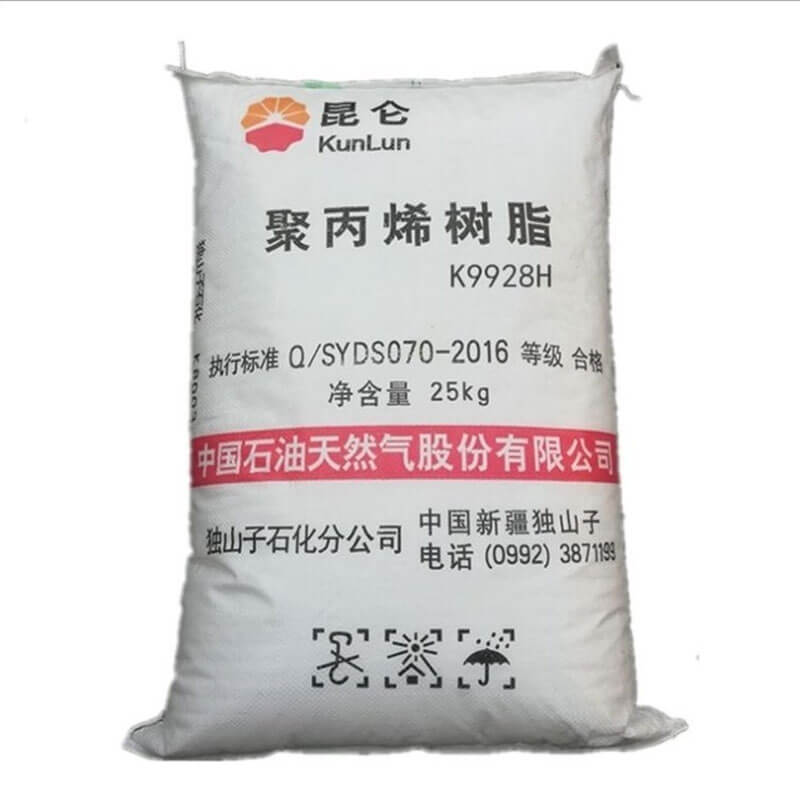
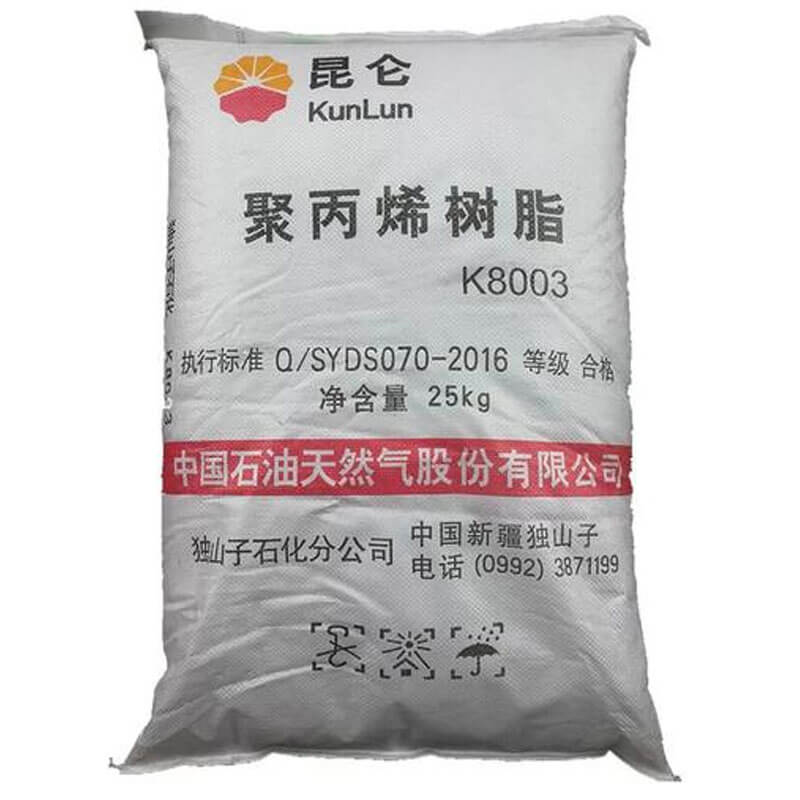
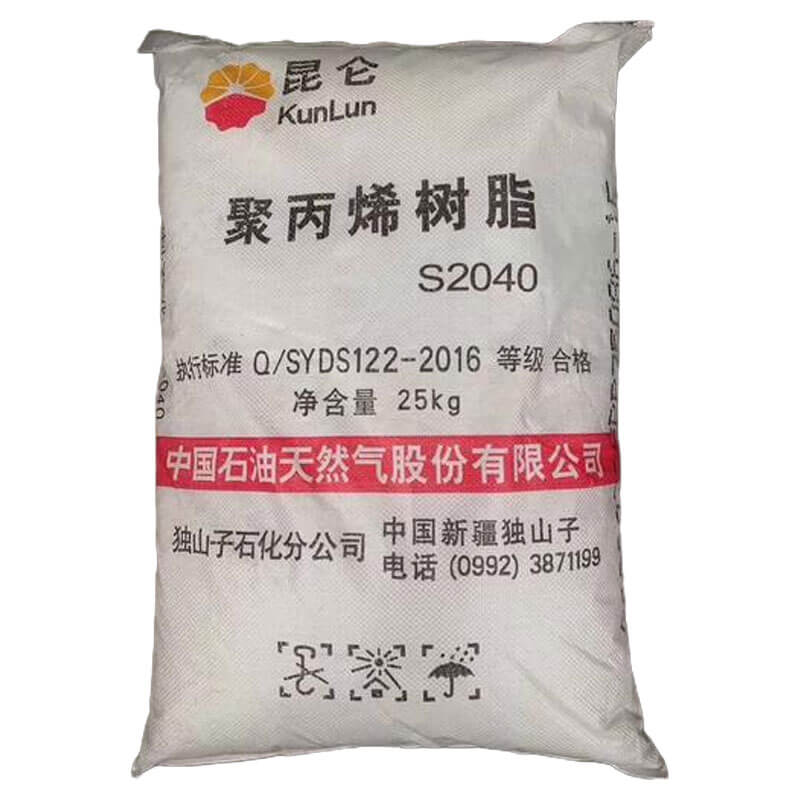
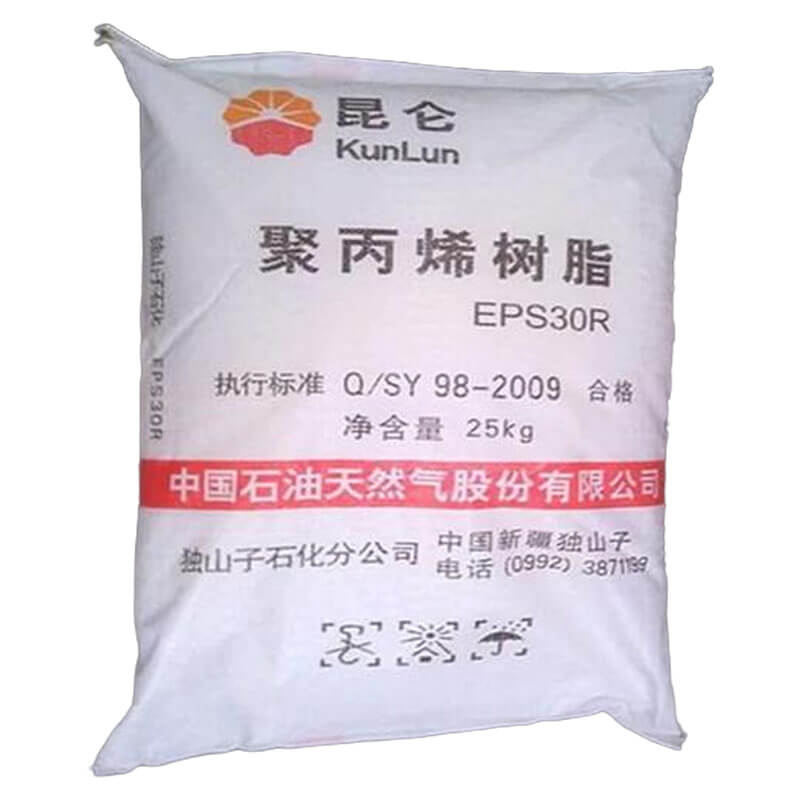
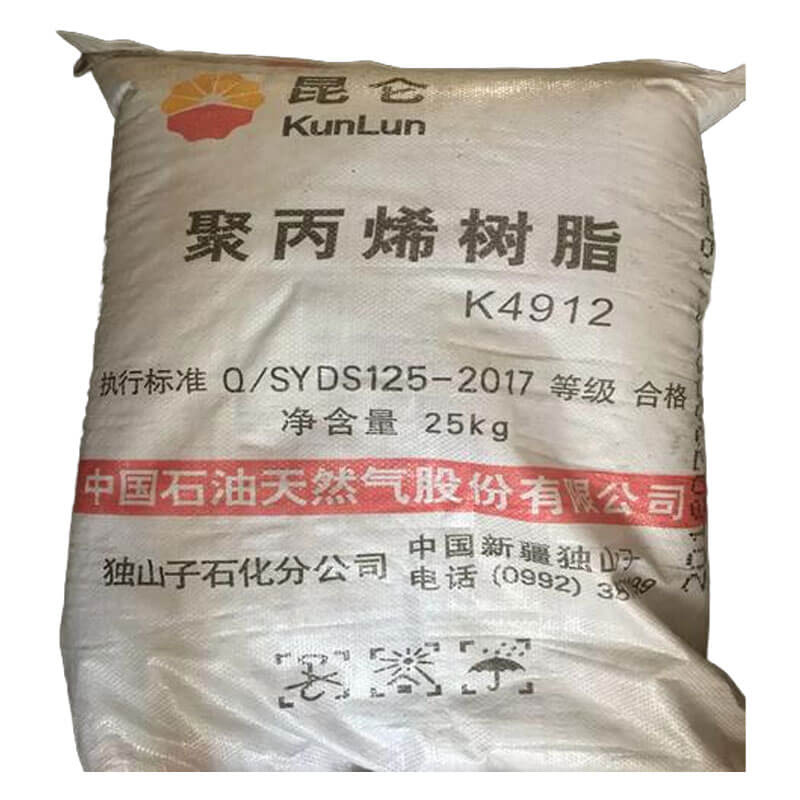
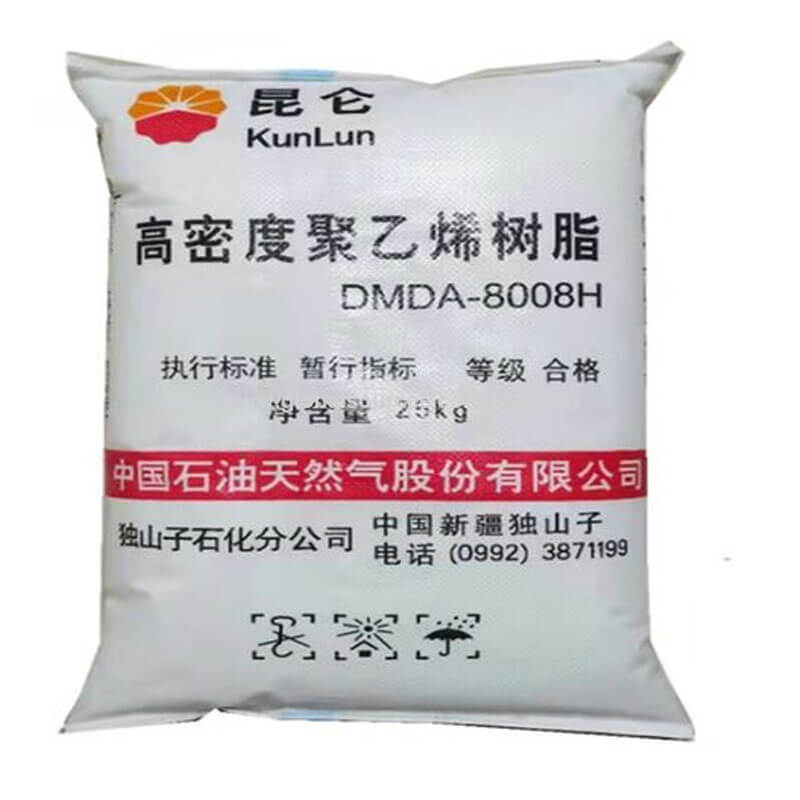
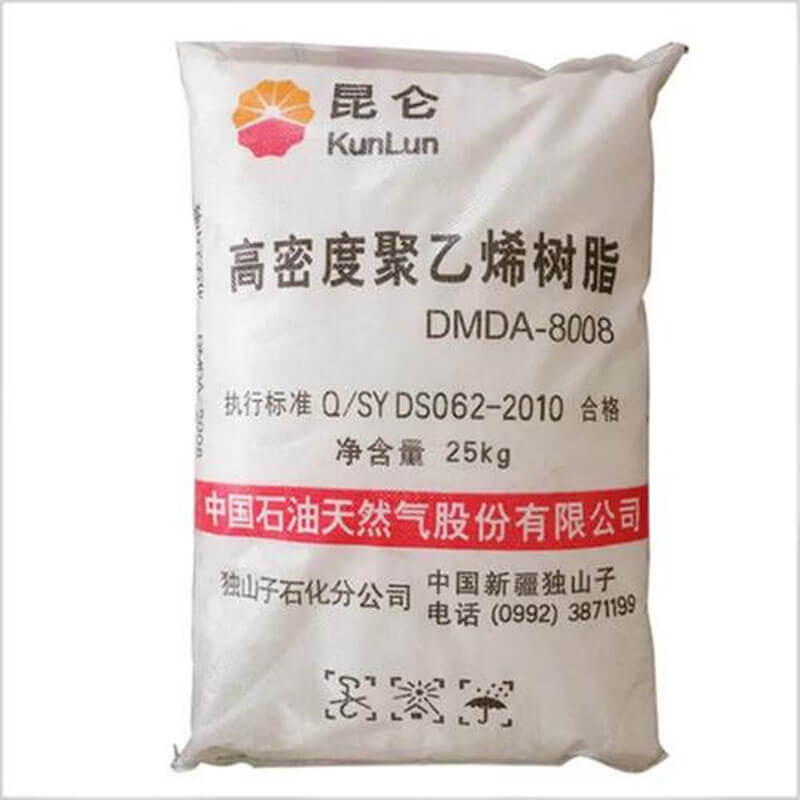
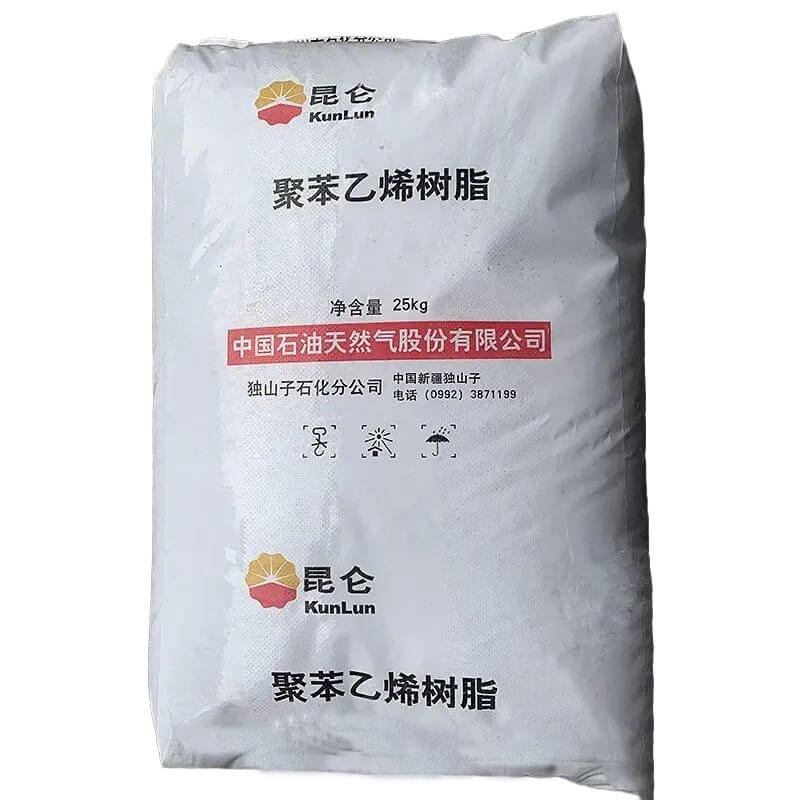
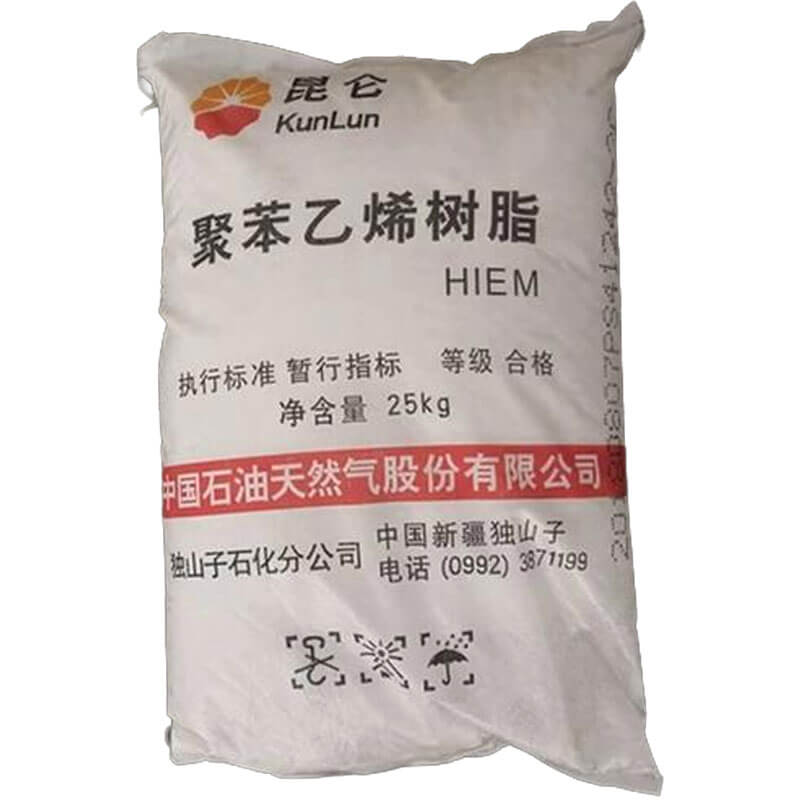
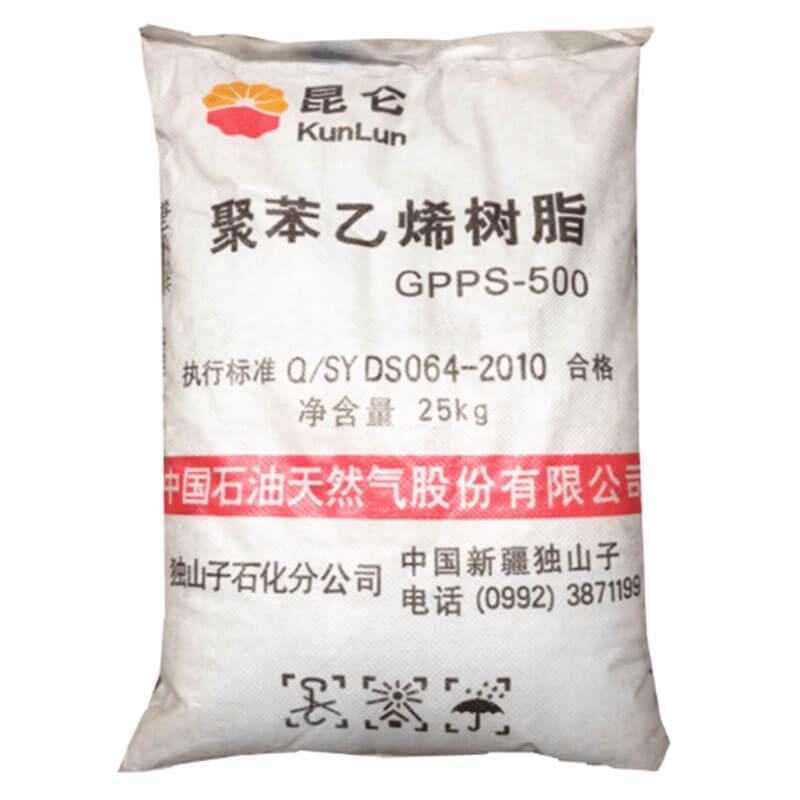
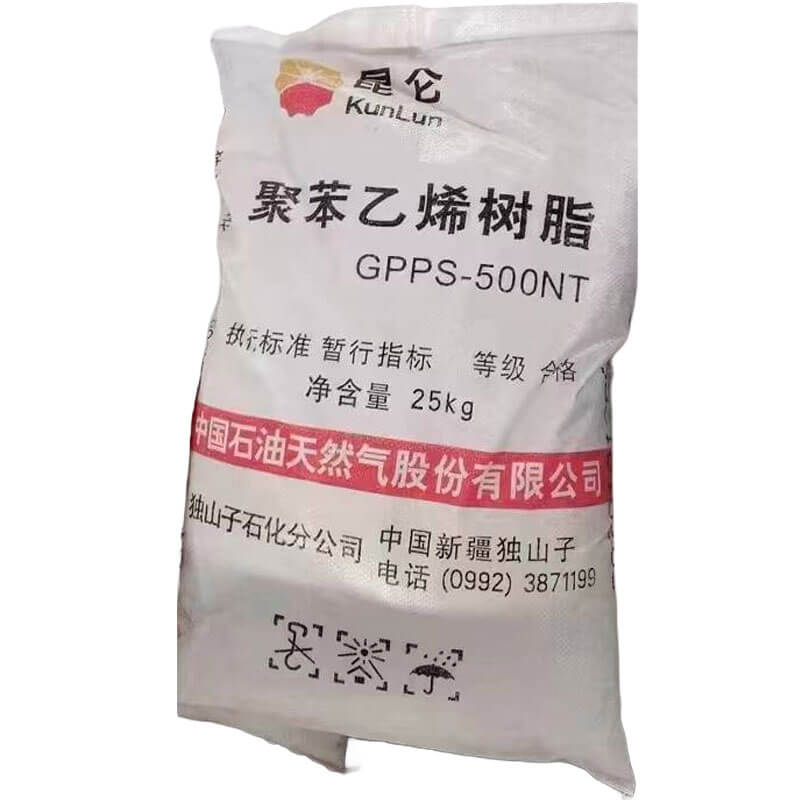
    Packing Polypropylene K9928H is supplied in 25 kg heat-sealed, polyethylene-lined woven bags, palletized and wrapped with product identification labels.
    Container Loading (20′ FCL) 20′ FCL: Polypropylene K9928H loaded in palletized, shrink-wrapped bags, secured for safe, efficient container transport.
    Shipping Polypropylene K9928H is a non-hazardous thermoplastic resin, typically shipped as solid pellets in multi-layer bags, FIBCs, or bulk hopper containers. Protect from moisture, direct sunlight, and excessive heat. Store in a dry, ventilated area, and handle with clean equipment to prevent contamination. No special dangerous-goods transport requirements apply.
    Storage Store Polypropylene K9928H in a cool, dry, well-ventilated area, away from direct sunlight, heat sources, and open flames. Keep containers tightly sealed to prevent moisture pickup and contamination. Avoid contact with strong oxidizing agents. Maintain stable temperatures to prevent degradation, and follow good housekeeping practices to minimize dust accumulation.
    Shelf Life Polypropylene K9928H has a shelf life of 2–3 years when stored in a cool, dry place away from UV light and moisture.
    Application of Polypropylene K9928H

    In thin-wall injection moulding of food-contact containers, K9928H is processed as a high-flow impact copolymer with a nominal melt flow rate of 28 g/10 min determined at 230°C/2.16 kg per ISO 1133-1:2022. Food-contact status is established under 21 CFR 177.1520(c) for olefin polymers, with overall migration limits cross-checked against GB 4806.7-2016 and EU 10/2011 Annex I specific migration requirements for polypropylene. The resin is dosed at 98.0–99.5 wt% with a PP-compatible colour masterbatch at 0.5–2.0 wt%; no external slip agent is generally required, but a migratory erucamide masterbatch may be added at 0.2–0.5 wt% when lid-opening torque below 0.6 N·m is specified by downstream fillers, with compensation in the masterbatch fraction to maintain 100 wt% total formulation. Pre-drying is normally omitted at ambient relative humidity below 60%, because polypropylene moisture absorption remains below 0.03% under ISO 62:2008 conditions.

    Production tooling uses high-speed single-screw injection machines with screw L/D 20:1–24:1, accumulator-assisted injection and a spring-type or hydraulic non-return valve with clearance 0.02–0.04 mm. Barrel temperatures are profiled from 200°C at the hopper zone to 240°C at the nozzle, while the melt is held at 220–245°C. Mould temperature is set to 10–35°C for fast crystallisation, and injection pressure ranges from 80–120 MPa for wall sections of 0.5–1.2 mm. Holding pressure is applied at 50–70% of the peak injection pressure for 0.5–1.5 s, followed by cooling of 3–6 s. Hot-runner valve-gate systems with gate diameters of 0.8–1.2 mm are used on multi-cavity tools to avoid cold-slug defects and excessive gate vestige.

    Terminal finished goods include dairy cups, deli pots, disposable food-service lids, tamper-evident tubs and thin-walled drink cups for cold filling. Hot-fill or retort applications above 100°C fall outside the operating boundary of K9928H unless post-mould annealing or nucleating additives are qualified on the specific tool; fatty-food contact requires migration testing under EU 10/2011 Annex III rather than blanket approval.

    Could K9928H Retain Low-Temperature Ductility in Moulded B-Pillar Trim Without Painting?

    Automotive interior qualification for K9928H is usually managed under IATF 16949:2016 batch-release planning, with part approval documentation addressing grain depth retention, gloss uniformity and mar resistance under ISO 105-A02:1993 or an OEM-specific scratch protocol such as PV 3952. Interiors are also tested for fogging per ISO 6452:2021, odour per VDA 270 and formaldehyde emission per VDA 275; these standards are applied to the finished moulding, not the pellet alone, because colour masterbatch and processing heat can shift volatile output.

    For grained B-pillar and lower dash panels, K9928H is moulded neat at 96.0–99.0 wt% with 1.0–4.0 wt% black or custom colour masterbatch. Where unpainted low-scuff surfaces are specified, a scratch-resistant masterbatch containing siloxane or amide is added at 1.0–3.0 wt%, with the neat resin fraction reduced accordingly so total formulation remains 100 wt%. If a soft-touch or reduced-gloss effect is required, an ethylene-octene elastomer is incorporated at 5.0–10.0 wt%, replacing part of the neat resin fraction; this addition lowers flexural modulus and shifts the low-temperature failure mode of notched parts from brittle crack initiation toward hinge-like yielding.

    Injection moulding is performed in hydraulic or servo toggle machines with clamp force of 8,000–16,000 kN depending on tool size. Melt temperature is controlled at 230–250°C, mould temperature at 25–50°C, and holding pressure at 30–50 MPa. Sequential valve-gate hot-runner programmes are used to push weld lines into low-stress regions behind the pillar clip bosses. Screw rotation speed is limited to 60–100 rpm to prevent temperature overshoot and molecular weight degradation; screw-back pressure is set at 0.5–1.5 MPa for consistent dosing. Because the resin exhibits a relatively low pressure drop in thin ribs of 1.5–2.0 mm cross-section, injection speeds above 100 mm/s can produce jetting and tiger-stripe marks on textured surfaces.

    Finished components include A/B/C pillar trim, lower dash panels, door waist trim, scuff plates, glove box bins and seat side shields. Unpainted soft grained surfaces may require a matte texture depth of 15–25 µm to mask gloss variation; if the OEM specification requires a Class A painted surface, adhesion must be validated because high crystallinity from fast mould cooling can reduce solvent bite.

    Semi-Structural Underbody Shields and Wheel Arch Liners: 15–25 wt% Talc Compounding with K9928H

    In exterior semi-structural compounds, K9928H is selected as a high-flow matrix that permits talc loading without a drop in injection mouldability. The compound is released against ISO 527-2:2012 for tensile modulus, ISO 178:2019 for flexural modulus, ISO 179-1:2010 for Charpy notched impact at 23°C and −20°C, and ISO 6603-2:2000 for instrumented puncture energy. For exterior parts, weathering is screened under ISO 4892-2:2013 cycle A1 and colour change assessed by ISO 11664-4; the base resin alone does not confer UV stability, so a hindered amine light stabiliser is required in the formulation.

    The matrix fraction of K9928H is the balance at 59–78 wt%. Talc with median particle size D50 1.5–3.0 µm is added at 15–25 wt% to raise flexural modulus and restrain thermal expansion. Ethylene-octene elastomer is dosed at 5–12 wt% where low-temperature rivet retention and stone-impact ductility are specified. Maleated polypropylene coupling agent at 0.5–1.5 wt% improves talc dispersion and interfacial adhesion; primary phenolic antioxidant at 0.05–0.15 wt% and secondary phosphite antioxidant at 0.05–0.15 wt% are included to protect melt-rheology stability during extrusion. Carbon black masterbatch at 1.0–2.0 wt% provides opacity and UV screening, but the black pigment also shortens cooling-limited cycle time in moulded parts by about 5–10%.

    Compounding is completed on co-rotating twin-screw extruders with L/D 40:1–52:1 and torque density 11–14 N·m/cm³. Talc is introduced through a side stuffer at barrel 4–6 to reduce main-feed torque spikes and barrel liner wear. Screw speed is set at 400–700 rpm; barrel temperatures profile from 180°C at the feed throat to 220°C at the die plate; melt temperature is held at 210–230°C to avoid thermal peroxide decomposition. Underwater pelletising produces 3–4 mm granules with bulk density 0.50–0.60 g/cm³, and subsequent drying at 80°C for 1–2 h is used when residual surface moisture exceeds 0.05%.

    Downstream injection-moulded finished goods include wheel arch liners, engine splash shields, underbody panels, spare-wheel tubs, battery side covers and fan shrouds. For thin-stiffness ribs, the compound’s elevated melt viscosity compared with neat K9928H forces an increase in injection pressure of 10–30% and may require a higher clamp tonnage for tools with projected area above 1,500 cm².

    Standard / Test methodTest conditionApplication boundary
    ISO 1133-1:2022230°C/2.16 kgMelt flow rate control for thin-wall and high-flow injection
    ISO 527-2:201250 mm/min, type 1A specimenTensile modulus/yield design data
    ISO 178:20192 mm/min, three-point bendingUnfilled stiffness and talc-filled comparison
    ISO 179-1:2010Notched Charpy, 23°C and −20°CLow-temperature ductility qualification
    ISO 6452:2021Fogging reflectometric, 100°C/3 hAutomotive interior volatile assessment
    IEC 60335-1:2020 clause 30.2End-product glow-wire testAppliance safety approval
    21 CFR 177.1520(c)Olefin polymer food-contact clearanceRigid packaging use
    ISO 8611-1:2011Pallet load and cycle testingDistribution packaging performance

    Large-appliance structural moulding with K9928H is governed by end-product safety requirements rather than resin-only approvals; the material is evaluated in the final part under IEC 60335-1:2020 clause 30.2 glow-wire tests and is supported by a UL 94 HB material classification. Chemical resistance of the moulded article is screened under ISO 175:2010, while density checks use ISO 1183-1:2019 and tensile property verification uses ISO 527-2:2012. Heavy metals and restricted substances are controlled through REACH Annex XVII and RoHS 2011/65/EU declarations on the final colour-masterbatched compound.

    Neat K9928H is dosed at 96.0–99.0 wt% with appliance-colour masterbatch at 1.0–4.0 wt%. For washer tubs, an elastomer-modified variant is often prepared in-line by adding 5.0–10.0 wt% of EPDM or metallocene POE and reducing the neat resin fraction accordingly to improve weld-line impact and crack arrest under spin-cycle imbalance. No mineral filler is used where part weight must remain below 4.5 kg and where detergent resistance must be demonstrated on the actual part geometry rather than on flat plaques alone.

    The production sequence uses large-platen hydraulic injection machines with clamp force 12,000–18,000 kN and hot-runner sequential valve gating to move weld lines away from load-bearing ribs. Melt temperature is held at 230–260°C, mould temperature at 25–45°C, and holding pressure at 35–60 MPa. For a tub wall of 2.5–4.0 mm, holding time ranges from 8–15 s and total cooling from 18–35 s. Screw rotation speed is limited to 70–110 rpm and back pressure to 0.8–1.5 MPa to maintain melt homogeneity across long hot-runner manifolds. Polypropylene mould shrinkage is controlled by tooling cut at 1.0–1.8%, with local rib geometry requiring 0.5–1.0 mm amending in prototype trials.

    Finished products include washing machine outer tubs, spin baskets, dryer support bases, dishwasher lower spray-arm supports, water pump bases and internal fan shrouds. K9928H without glass filler is not recommended for pump impellers or submersible hot-water housings where continuous temperature exceeds 60°C under load and where hydrolysis-resistant glass-filled PP or engineering resin is specified.

    When Cold-Chain Impact Retention and Reduced Warpage Are Required in Logistics Pallets and Crate Moulding

    Distribution packaging made from K9928H is qualified under ISO 8611-1:2011 pallet performance, ASTM D4169-22 shipping container simulation and, for rack storage, EN 15512:2020 racking-load verification. The resin is processed at 95.0–100.0 wt% for moulded crates, with post-industrial recycled PP permitted at 0–20.0 wt% only when the recycled stream is sorted and melt-filtered at 80–100 µm to prevent charcoal specks and metal contaminants from initiating impact cracks. A black or grey masterbatch is dosed at 0.5–2.0 wt%; nucleating agents are generally avoided because the resin already crystallises rapidly under chilled-mould conditions, and excessive nucleation can increase warpage on large flat pallet decks.

    Low-pressure structural foam injection or standard injection moulding is selected according to pallet mass. For a pallet weighing 18–25 kg, clamp force is sized at 18,000–28,000 kN; melt temperature is held at 220–245°C and mould temperature at 15–35°C. Injection speed is reduced to 20–60 mm/s in thick sections to prevent diesel-effect gas burn and void coalescence, while holding pressure is set at 25–45 MPa. Cycle time is typically 35–70 s depending on rib height; hot oil mould heating is not required, and chilled water at 8–12°C is circulated through the tool to stabilise flatness.

    Finished products include folding beverage crates, cold-chain fish boxes, produce distribution trays, pallet collars and stack-only pallets. Racking loads above 1,000 kg per pallet under ISO 8611-1 conditions fall outside the established performance envelope of unfilled K9928H; glass-filled PP or inserted metal reinforcement is substituted when creep deflection exceeds 15 mm after 72 h at 40°C.

    Published data for K9928H in continuously frozen cold-chain applications below −30°C is limited; prototype Charpy testing under ISO 179-1:2010 at the intended use temperature is required rather than relying on room-temperature pellet certification.

    For medium-duty moulded furniture and modular storage systems, K9928H is selected when the design combines deep draw, rib-intense bases and snap-fit assembly features that would crack lower-MFR impact copolymers. Furniture-grade mouldings are tested under ISO 717-1:2020 or ANS/BIFMA X5.1-2023 as applicable for chair and desk furniture; UV-stabilised outdoor variants are assessed under ISO 4892-2:2013 for colour shift and gloss loss. Flame-retardant requirements are not assumed from the resin type; if a UL 94 V-0 classification is requested, K9928H is blended with a suitable intumescent FR package, but this changes melt flow and weld-line strength.

    K9928H is processed at 94.0–99.0 wt% with colour and UV masterbatch at 1.0–6.0 wt%; for high-wear or load-bearing seating designs, an elastomer content of 3.0–8.0 wt% is added, with K9928H adjusted to balance, to improve crack growth resistance at gate and ejector pin stress concentrators. Glass fibre is avoided where thin-wall surface finish dominates, because exposed fibre reduces scratch resistance and makes the part more sensitive to poorly balanced gates.

    Injection moulding is performed on medium to large machines of 4,000–12,000 kN clamp force with cold runner or hot-runner tools. Melt temperature is held at 220–250°C, mould temperature at 20–40°C, and back pressure at 0.5–1.2 MPa. For a monobloc chair shell with nominal wall thickness 3.0–5.0 mm, holding pressure of 30–50 MPa is applied for 6–12 s, followed by cooling of 20–35 s. Weld lines at the front leg bosses are displaced through gate relocation or flow leader ribs of 1.5–2.5 mm additional thickness, not by excessive melt temperature, which would increase odour and sink marks.

    Finished products include injection-moulded polypropylene chairs, stackable storage tubs, modular shelving panels, workbench support legs and retail display trays. Loaded shelf deflection is limited by the resin’s unfilled flexural modulus; when a modulus above 1,800 MPa per ISO 178:2019 is required, a talc-filled compound should be selected instead of increasing part wall thickness beyond 5.0 mm.

    Free Quote

    Competitive Polypropylene K9928H prices that fit your budget—flexible terms and customized quotes for every order.

    For samples, pricing, or more information, please contact us at +8618136850665 or mail to sales4@ascent-chem.com.

    We will respond to you as soon as possible.

    Tel: +8618136850665

    Email: sales4@ascent-chem.com

    Inquiry

    Get Free Quote of PetroChina Dushanzi Petrochemical Company

    Flexible payment, competitive price, premium service - Inquire now!

    Certification & Compliance
    More Introduction

    Polypropylene K9928H is a controlled-rheology impact copolymer supplied in pellet form for high-speed injection molding. The grade designation identifies a nucleated, high-melt-flow polypropylene resin in which an ethylene-propylene rubber phase is dispersed within a polypropylene homopolymer matrix. Producer technical documentation lists a melt mass-flow rate of 28 g/10 min at 230 °C under 2.16 kg per ISO 1133-1:2022. This flow classification places K9928H above conventional impact copolymer grades with melt flow rates in the 10–15 g/10 min range and below ultrahigh-flow thin-wall grades above 40 g/10 min. The balance of flow and impact is obtained through controlled molar mass distribution and compatibilization of the rubber phase, not through external plasticization.

    Typical uses include automotive interior trim, appliance housings, battery cases, and thin-wall technical moldings where ejection cycle time and low-temperature impact must be met simultaneously. In automotive interior trim, the resin is employed for door panel inserts, lower pillar trims, and seat side shields where impact retention at -20 °C and low gloss after grain embossing are controlled. In appliance housings, the grade is used for washing machine top covers and vacuum cleaner bodies where ejection cycle time and dimensional stability after demolding are process-critical. Battery cases require a balance of cold-impact strength and creep resistance; K9928H offers limited creep resistance compared to filled PP and is therefore specified only in unreinforced service conditions.

    How Does the Ethylene-Propylene Rubber Phase in K9928H Shift Impact Response at Subzero Service Temperatures?

    Drop-weight and notched Izod behavior in K9928H follow the morphology of the dispersed ethylene-propylene phase. At 23 °C, the producer datasheet value for notched Izod impact strength is 7.5 kJ/m² per ISO 180:2023; at -20 °C, the retained value is 4.0 kJ/m². This temperature response differs from high-flow PP homopolymer, where notch sensitivity can reduce impact strength to 2.0 kJ/m² or less at 0 °C. The rubber-phase particle size and interparticle distance control the brittle-ductile transition. In production-scale compounding, the ethylene content and phase viscosity ratio are adjusted so that the dispersed phase remains elongated but not fibrillar after injection molding; excessive shear in hot-runner gates with diameters below 1.0 mm can over-disperse the rubber phase and shift the ductile-to-brittle transition upward by 10–15 °C.

    On injection molding lines with 250–350 t clamp force and cold-runner tools, the practical low-temperature service limit for K9928H is determined by part geometry rather than by the resin itself. For unreinforced parts with wall thickness above 2.0 mm, the ductile-to-brittle transition measured by instrumented falling-weight impact per ISO 6603-2:2000 typically lies between -10 °C and -20 °C. In ribbed parts or weld-line zones, the transition can rise to 0 °C because weld lines contain a rubber-depleted matrix layer. Weld-line impact strength is therefore 40–60% lower than the parent material value, and mold-filling simulation must place weld lines off high-stress locations.

    At melt temperatures between 210 °C and 230 °C, the resin flow length in a 1.2 mm spiral mold is typically 38–42 cm when injected at 70 MPa hydraulic pressure on a 350 t machine with a 2.5:1 compression ratio screw. Short shots occur in wall sections below 0.8 mm when the mold surface temperature is below 30 °C; raising mold temperature to 40 °C extends flow length by 8–12%. Capillary rheometry at 230 °C indicates shear-thinning with a power-law index of 0.35–0.45 over shear rates from 100 s⁻¹ to 5,000 s⁻¹; the apparent viscosity at 1,000 s⁻¹ is approximately 80–120 Pa·s. These values support rapid filling of thin-wall technical parts but require precise screw recovery control. Because the melt compressibility of PP is high, a too-small shut-off nozzle can generate adiabatic heating and uncontrolled viscosity reduction; nozzle orifice diameters below 2.0 mm are not recommended for K9928H at shot weights above 200 g.

    The processing window contains a conflict between low melt temperature for impact retention and high melt temperature for thin-wall filling. At 210 °C, impact retention is better, but spiral flow length in a 0.8 mm wall tool decreases by 10–15% relative to 230 °C. At 250 °C, flow length increases but low-temperature impact degrades. The practical window is therefore 220–240 °C for thin-wall parts and 215–230 °C for thick-wall impact-critical parts. The processing window narrows to ±5 °C or less when hot-runner residence time exceeds 8 min.

    Specification Matrix and Test Methods for K9928H

    The producer technical data sheet reports the following typical values measured on injection molded specimens. These values are not intended for design specification; lot release uses separate statistical process control limits.

    PropertyTypical valueTest method
    Melt mass-flow rate, 230 °C, 2.16 kg28 g/10 minISO 1133-1:2022
    Density0.90 g/cm³ISO 1183-1:2019
    Tensile yield strength26 MPaISO 527-2:2012
    Nominal strain at break400%ISO 527-2:2012
    Flexural modulus1,250 MPaISO 178:2019
    Notched Izod impact strength, 23 °C7.5 kJ/m²ISO 180:2023
    Notched Izod impact strength, -20 °C4.0 kJ/m²ISO 180:2023
    Vicat softening temperature, A50150 °CISO 306:2022
    Heat deflection temperature, 0.45 MPa90 °CISO 75-2:2013
    Rockwell hardness, R-scale85ISO 2039-2:1987
    Flammability ratingHBUL 94

    Mold shrinkage in the flow direction after 24 h is 1.2–1.4%; transverse shrinkage is 1.4–1.6% on 60 mm × 60 mm × 2 mm plaques per ISO 294-4:2018. The producer MFR control window for lot release is typically ±2 g/10 min around the nominal value, and notched Izod impact strength at 23 °C is used as a lot-release consistency indicator. This specification matrix supports direct replacement of lower-flow impact copolymers in existing tools if injection pressure capacity is not the limiting factor.

    When K9928H Is Processed in Hot-Runner Multicavity Molds and Regrind Streams

    Hot-runner manifolds in multicavity molds must maintain uniform temperature across drops. A melt temperature above 250 °C or residence time longer than 10 min in the manifold reduces notched Izod impact strength at -20 °C by 15–25% because thermal-oxidative chain scission in the polypropylene matrix reduces tie-chain concentration. If the nozzle temperature falls below 180 °C, gate freeze-off is observed because the crystallization temperature of the polypropylene matrix is in the 125–135 °C range. Hot-runner drop temperatures are therefore controlled at 200–230 °C, and the use of internally heated tips without external nozzle heaters is not recommended for shot weights above 150 g.

    Regrind ratios up to 20 wt% can be used without significant loss of impact strength. Above 30 wt%, the melt mass-flow rate shifts upward by 2–4 g/10 min and notched Izod impact strength at -20 °C decreases by 10–20% across three successive heat histories. Regrind particle size below 8 mm and fines below 0.5 wt% are specified to maintain consistent gravimetric feeding. Pre-drying at 80 °C for 2 h in a desiccant dryer is recommended when storage RH exceeds 60% for more than 48 h. Surface moisture above 0.05 wt% produces splay and reduces weld-line strength, although PP itself is not hydrolytically sensitive; the failure mode is processing-related rather than molecular degradation.

    Comparative material selection must distinguish K9928H from high-flow PP random copolymers and glass-fiber-reinforced PP. In a high-flow PP random copolymer with similar melt flow rate, the flexural modulus is typically 900–1,000 MPa, whereas K9928H retains 1,250 MPa because the impact copolymer matrix contains a higher isotacticity polypropylene phase. Conversely, 20 wt% glass-fiber-reinforced PP reaches flexural modulus above 3,500 MPa but sacrifices elongation at break and low-temperature impact; K9928H is not a substitution for glass-reinforced PP in load-bearing under-hood brackets. Compared to a general-purpose impact copolymer with MFR near 8 g/10 min, K9928H reduces fill pressure in 1.5 mm wall sections by 15–20% but has slightly lower weld-line impact strength due to reduced molecular entanglements in the matrix.

    The suffix H in K9928H indicates a high-flow, nucleated variant. Nucleation raises the crystallization temperature to 130–135 °C during cooling at 10 °C/min per ISO 11357-7:2022, permitting earlier demolding and shorter cooling time. In a non-nucleated impact copolymer of similar ethylene content, the crystallization temperature is often 110–120 °C; the difference can reduce cooling time by 10–15% in thick sections. The nucleating agent also increases flexural modulus but may reduce notched Izod impact strength slightly because spherulite size is refined and the matrix-tie chain distribution changes. Published data for the specific K9928H additive package is limited, but the measured property matrix is consistent with a nucleated system.

    Representative comparison values from injection molding material databases are shown below; they are not producer lot-release values for K9928H.

    Material classMelt flow rateFlexural modulusNotched Izod, 23 °CNotched Izod, -20 °C
    High-flow PP homopolymer30 g/10 min1,400 MPa3.0 kJ/m²1.5 kJ/m²
    K9928H impact copolymer28 g/10 min1,250 MPa7.5 kJ/m²4.0 kJ/m²
    General-purpose impact copolymer PP8 g/10 min1,100 MPa10.0 kJ/m²5.0 kJ/m²
    Glass-fiber-reinforced PP, 20 wt%10 g/10 min3,800 MPa8.0 kJ/m²6.0 kJ/m²

    Do Not Depend on the Standard Property Matrix for Outdoor Service Life

    K9928H is not suitable for continuous service above 90 °C under mechanical load unless heat aging data per ISO 4577:2019 and UL 746B are evaluated for the specific part wall thickness. Long-term exposure to aromatic hydrocarbons, chlorinated solvents, and strong oxidizing acids causes softening or stress cracking; chemical resistance should be verified per ISO 175:2010 on molded plaques at the service temperature. For outdoor applications, an unstabilized impact copolymer PP will lose surface gloss and tensile elongation within months under ISO 4892-2:2013 accelerated weathering; K9928H therefore requires a UV-stabilized variant or post-molding coating unless the part is painted or covered. Published data for the specific K9928H UV-stabilization package is limited; outdoor service life cannot be derived from the standard property matrix alone.