| HS Code | 215619 |
| Chemical Resistance | Excellent resistance to acids, alkalis, and solvents |
| Electrical Insulation | Good dielectric properties |
| Uv Resistance | Poor, requires stabilizers |
| Flammability Ul94 | HB |
As an accredited Polypropylene PP factory, we enforce strict quality protocols—every batch undergoes rigorous testing to ensure consistent efficacy and safety standards.
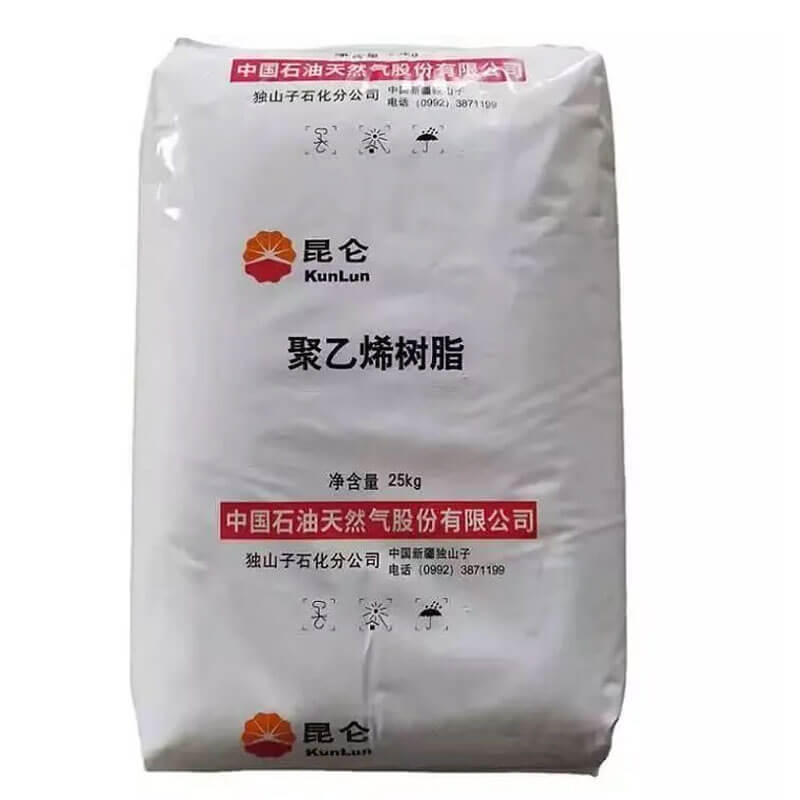
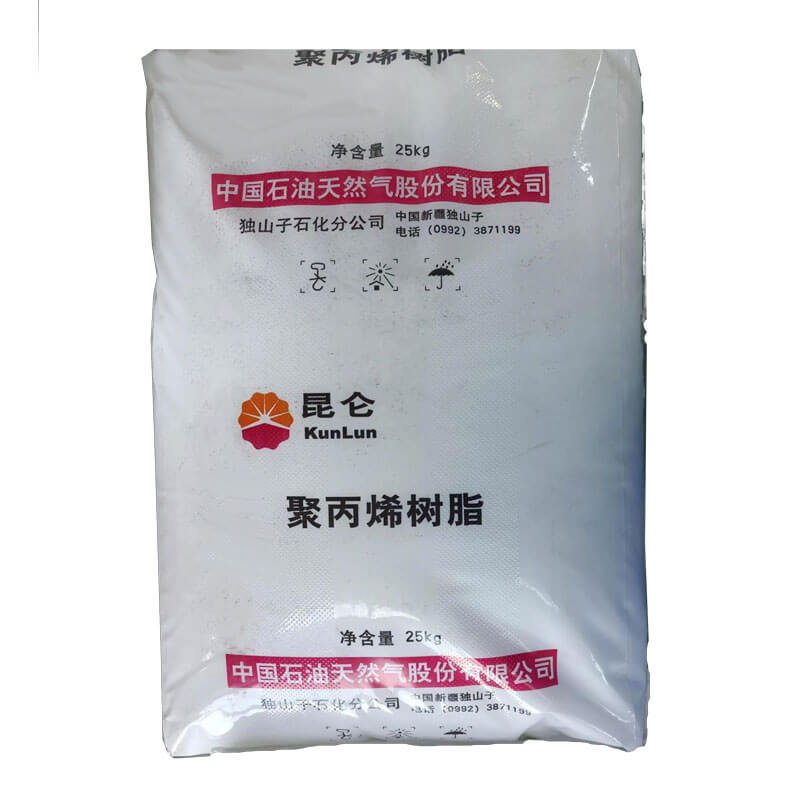
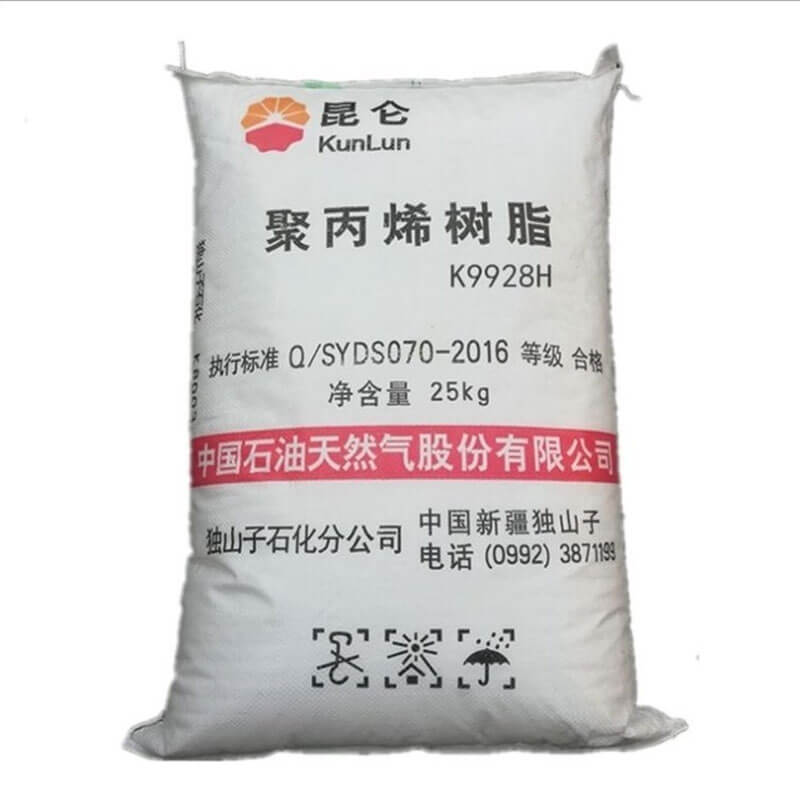
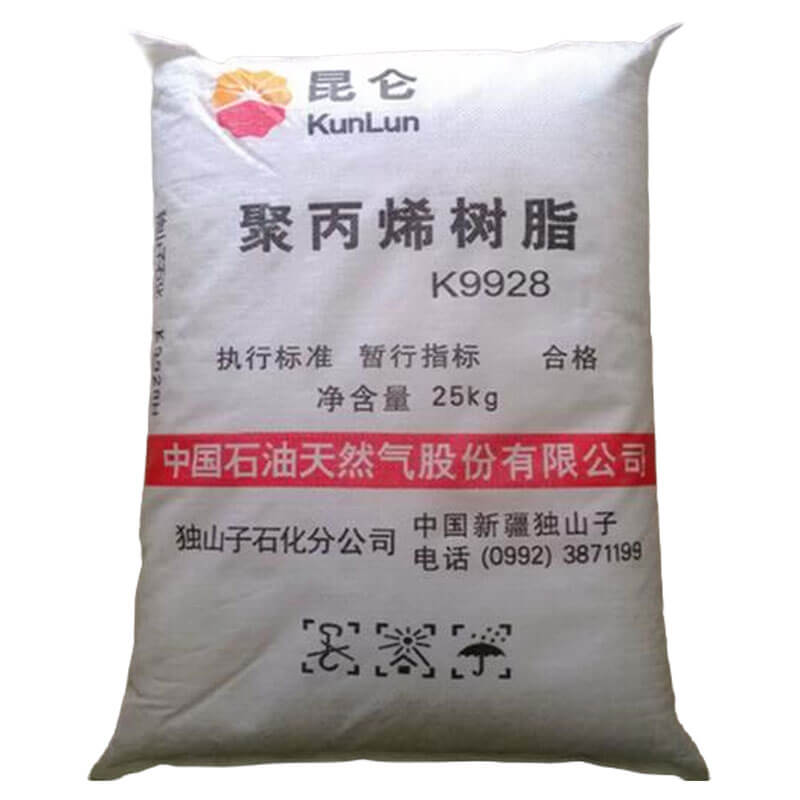
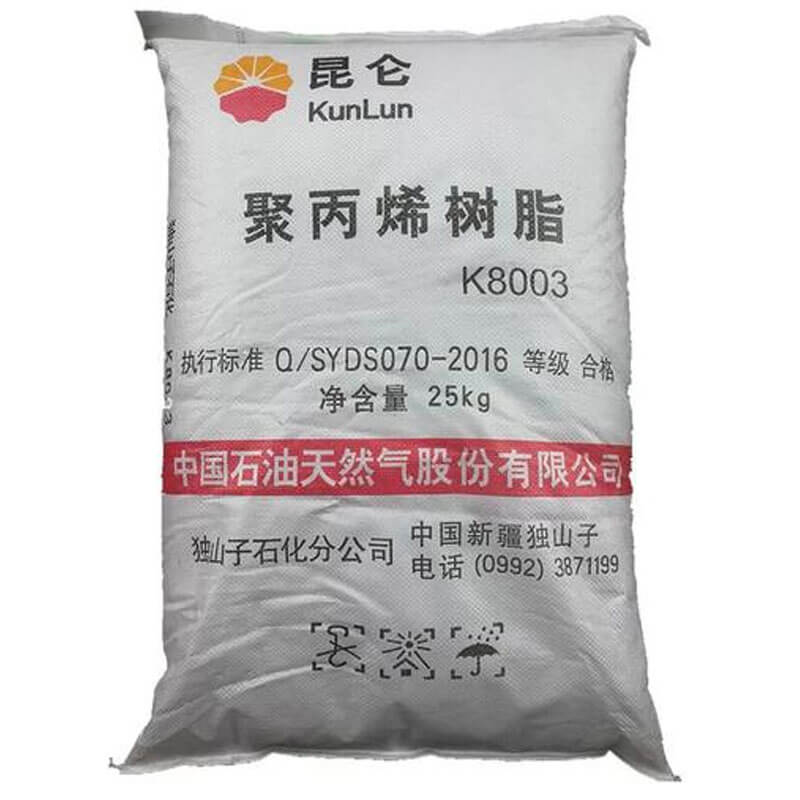
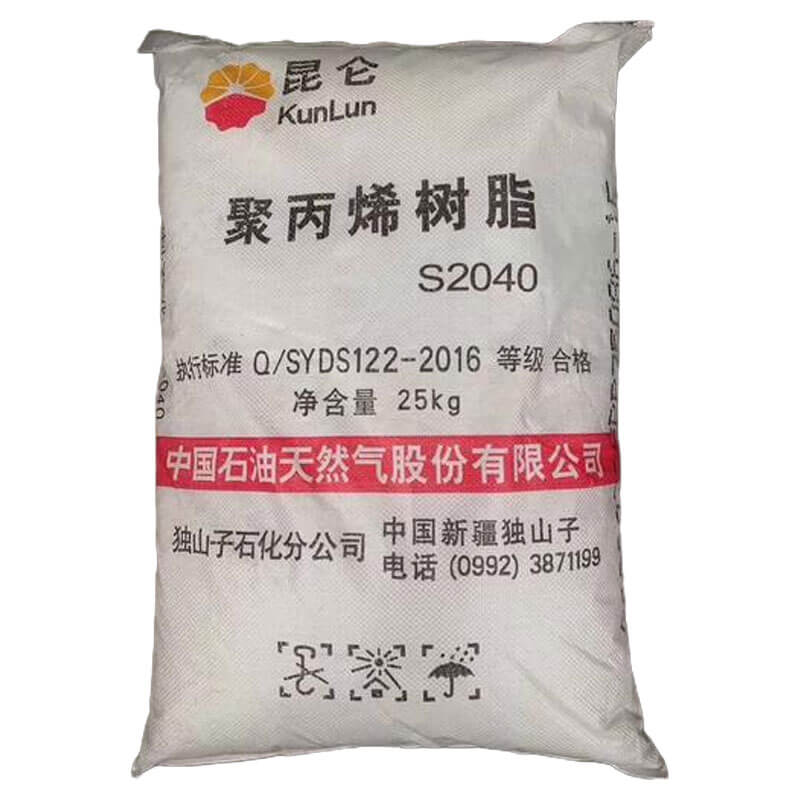
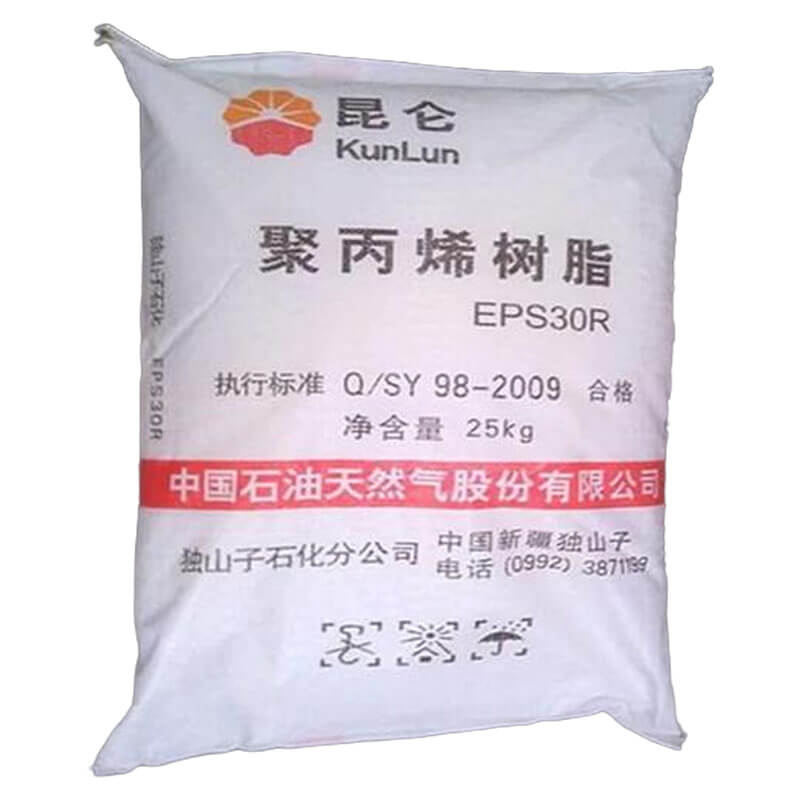
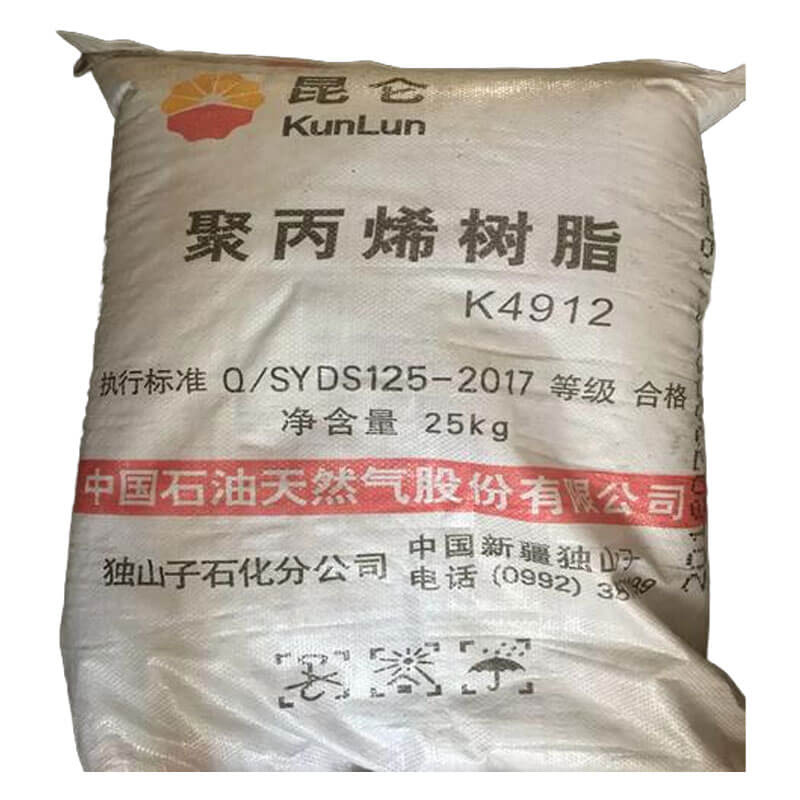
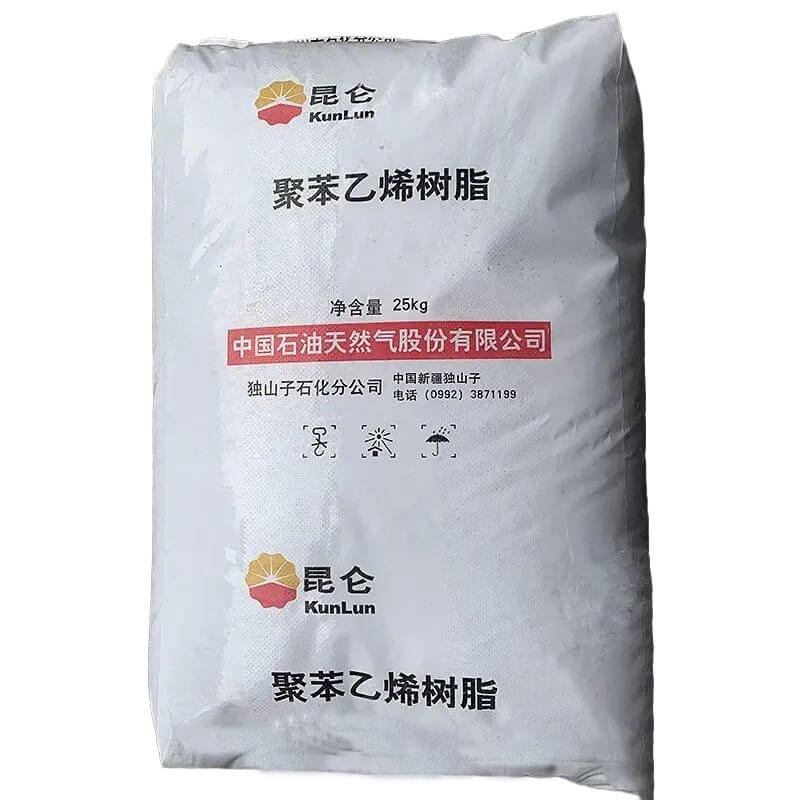
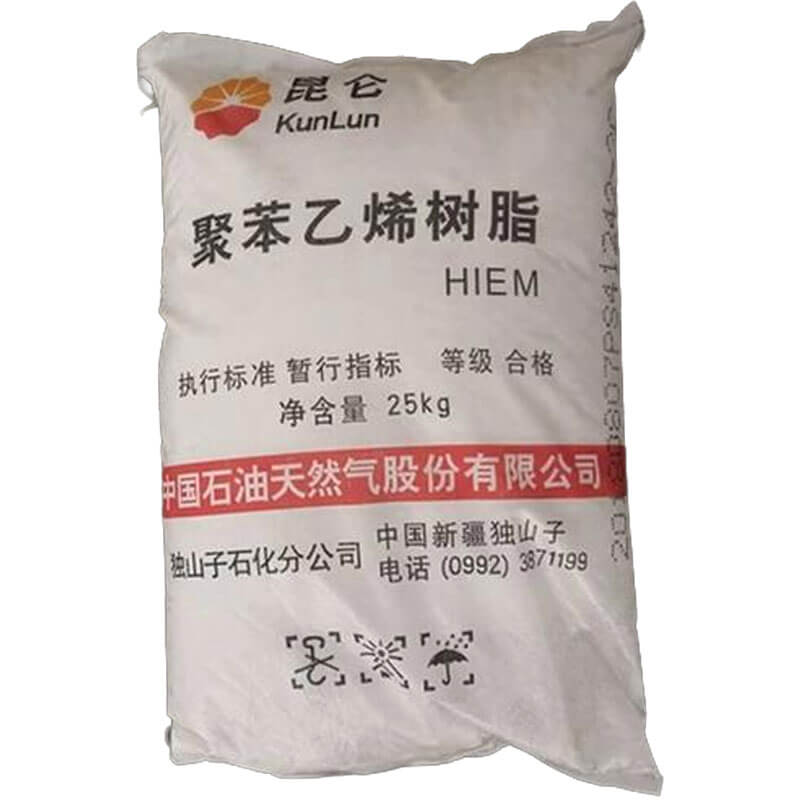
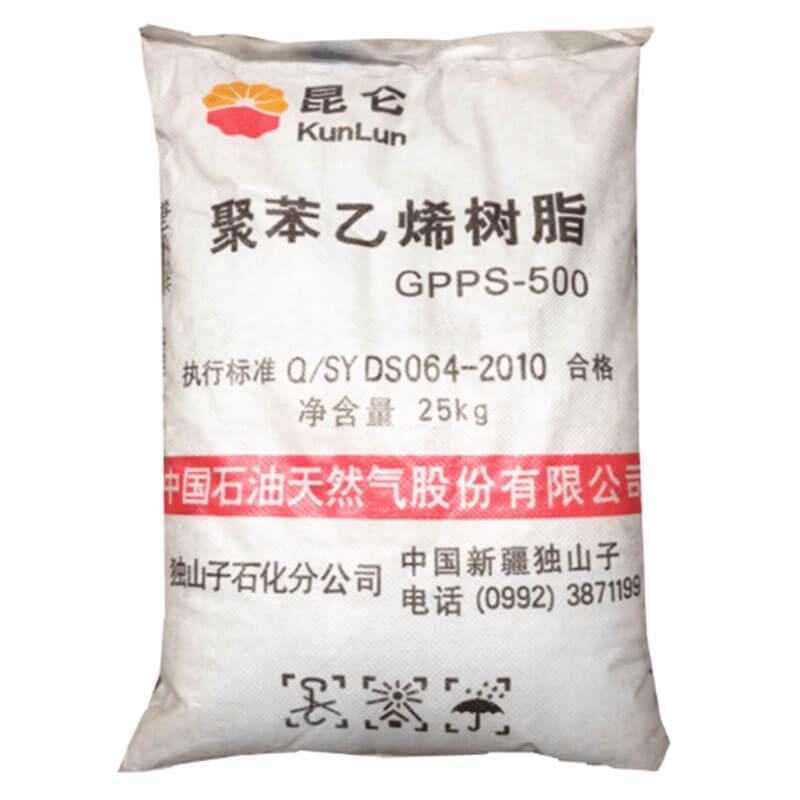
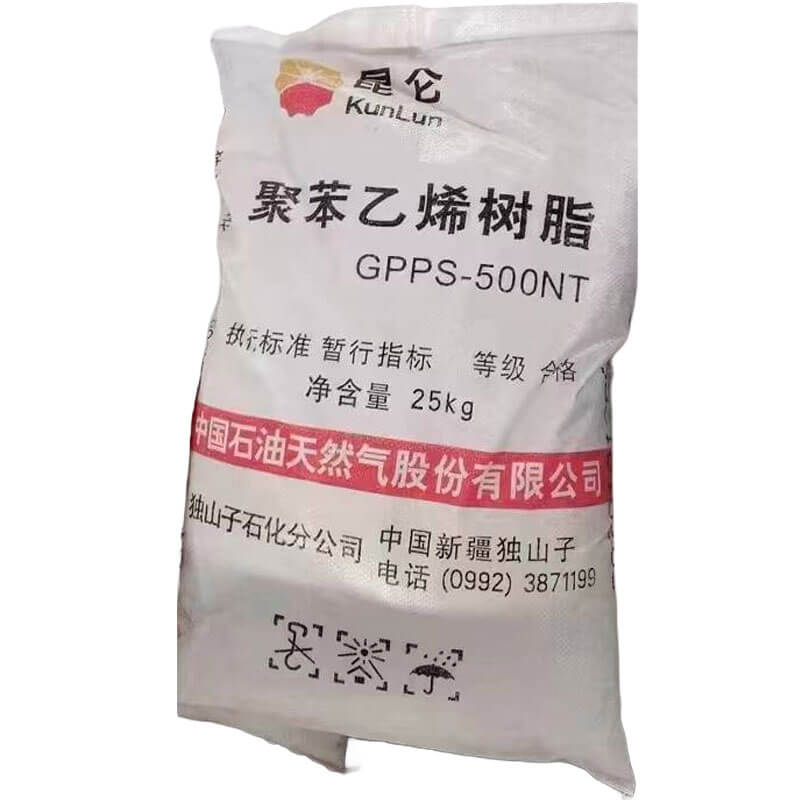
| Packing | Polypropylene PP is supplied in 25 kg woven plastic bags, palletized and stretch-wrapped, with 40 bags per pallet. |
| Container Loading (20′ FCL) | 20′ FCL: palletized PP bags loaded tightly, container dry and clean, no contamination, ample securing for transit. |
| Shipping | Polypropylene (PP) is shipped as non-hazardous resin pellets in multiwall paper bags, bulk bags, or hopper containers. Keep dry, avoid excessive heat and direct sunlight. Handle with care to prevent dust accumulation, which poses a combustion risk. Store away from oxidizers and ignition sources. |
| Storage | Store polypropylene (PP) in a cool, dry, well-ventilated area away from direct sunlight, heat sources, and open flames. Keep containers sealed to prevent moisture absorption and contamination. Avoid contact with strong oxidizers. Maintain temperatures below 40°C (104°F) to prevent degradation. Use proper ventilation and grounding procedures to minimize static accumulation. |
| Shelf Life | Polypropylene (PP) has an indefinite shelf life when stored in a cool, dry place, protected from UV light and extreme heat. |
Automotive injection molding of polypropylene compounds requires precise control of melt flow index and impact resistance when the base resin is modified with short glass fiber or mineral fillers. In instrument panel carrier production, a typical compound uses an impact copolymer PP with a pre-compounding melt flow index of 8–15 g/10 min measured according to ISO 1133-1:2022 at 230 °C/2.16 kg, blended with 20–25 wt% short glass fiber and 0.5–1.5 wt% maleic anhydride-grafted PP coupling agent. The antioxidant stabilizer addition ratio is 0.15–0.40 phr, often a blend of a hindered phenolic primary antioxidant and a phosphite secondary antioxidant, while carbon black masterbatch addition is 0.5–2.0 wt% when UV stability is specified for interior upper-surface exposure. All components are melt-compounded in a co-rotating twin-screw extruder with a 40:1 L/D ratio at 400–600 rpm screw speed, with the glass fiber fed through a downstream side feeder after the primary melting section to minimize fiber attrition. Barrel temperatures are maintained at 200–230 °C, and vacuum devolatilization at -0.08 MPa reduces volatiles below 500 ppm. The compounded pellets are then injection-molded on machines with clamp force from 800 t for door modules to 1,800 t for bumper fascias, using melt temperatures of 220–250 °C and mold temperatures of 20–50 °C.
Observed production failures include fiber-orientation-induced warpage across large unsupported spans, sink marks opposite rib intersections, and flow hesitation at knit lines in battery tray molds with long flow paths exceeding 800 mm. Compliance for interior components is governed by FMVSS 302 and ISO 3795 flammability travel rates, while mechanical validation follows ASTM D638-14 tensile testing, ISO 178 flexural modulus, ISO 179-1 Charpy notched impact at -30 °C, and ISO 75-2 heat deflection temperature under 1.8 MPa. Pre-drying at 80 °C for 2–4 h is mandatory when reground glass-fiber PP has been stored above 60% RH. Amine-based flame retardant additives are avoided because they deactivate hindered phenolic stabilizers and accelerate oxidation. Finished components leaving this cell include air cleaner housings, coolant expansion tanks, door panel carriers, battery trays, front-end modules, and underbody shields.
In high-speed flexible packaging, biaxially oriented polypropylene film is manufactured from homopolymer PP with an isotactic index above 95% and a melt flow index of 2.5–4.0 g/10 min measured per ISO 1133-1:2022, selected to maintain melt strength during tenter-frame orientation. Skin-layer formulations contain 0.05–0.15 wt% erucamide slip additive, 0.05–0.20 wt% synthetic silica antiblock with a median particle size of 2–5 μm, and 0.05–0.30 wt% glycerol monostearate antistatic agent; the core layer may include 5–15 wt% hydrogenated hydrocarbon resin to reduce water vapor transmission rate from 0.60 g/m²·day to 0.25 g/m²·day at 38 °C and 90% RH measured by ASTM F1249. Extrusion is performed through a coextrusion flat die at 230–250 °C, followed by a chill roll at 15–25 °C; machine direction orientation at 120–140 °C with draw ratios of 4.5–5.5:1, transverse direction orientation at 150–165 °C with draw ratios of 8–10:1, and annealing at 150–160 °C. Corona treatment raises surface energy to 38–42 mN/m on the sealant side to support water-based inks and adhesives.
Pre-drying of skin-layer masterbatches is required at 80 °C for 2 h if ambient relative humidity exceeds 60% to prevent splay at the die lip. Erucamide additions above 0.15 wt% are avoided because migration to the pellet surface causes film gauge variation in subsequent extrusion. EU food contact compliance follows Regulation (EU) No 10/2011 specific migration limits for polyolefins, with FDA 21 CFR 177.1520 covering the resin base. Tensile properties are validated by ISO 527-3, haze by ASTM D1003, and seal strength by ASTM F88 after seal-seam threshold testing at 130 °C jaw temperature. Final film structures produced under these conditions include snack food flow-wrap, tobacco overwrap, adhesive tape backing, label film, and lamination film for retort pouches.
| Core layer hydrogenated hydrocarbon resin concentration (wt%) | WVTR at 38 °C, 90% RH (g/m²·day) per ASTM F1249 | MD tensile modulus (MPa) per ISO 527-3 | Haze (%) per ASTM D1003 |
|---|---|---|---|
| 0 | 0.60 | 2,000 | 1.2 |
| 5 | 0.45 | 1,850 | 1.0 |
| 10 | 0.30 | 1,700 | 0.9 |
| 15 | 0.25 | 1,550 | 0.9 |
Spunbond nonwoven production for hygiene backsheet applications uses isotactic PP with a melt flow index of 25–60 g/10 min, while meltblown filtration media require controlled-rheology PP with MFR 800–1,500 g/10 min produced by peroxide visbreaking from a 25 g/10 min base resin. The peroxide masterbatch addition ratio during pelletizing is 0.05–0.15 wt% of a 2,5-dimethyl-2,5-di(tert-butylperoxy)hexane concentrate to increase MFR, with a post-pelletizing antioxidant package of 0.10–0.25 wt% to suppress thermal degradation. Spunbond line configurations use single-screw extruders with L/D ratios of 30:1–36:1, melt temperatures of 220–260 °C, spinneret hole diameters of 0.4–0.8 mm, and high-velocity drawing air at 4,000–6,000 m/min to attenuate filaments to 1.5–2.5 denier. Calender bonding at 130–150 °C with a point-bond area of 15–25% produces fabric tensile strengths of 20–40 N/50 mm in machine direction according to ISO 9073-3.
Meltblown processes operate at melt temperatures of 270–320 °C with die-to-collector distances of 150–300 mm, producing fiber diameters of 1–5 μm. Throughput is limited by the die stagnation pressure: when MFR exceeds 1,200 g/10 min, melt viscosity falls below 15 Pa·s at 280 °C, causing die hole dripping and inconsistent fiber deposition. Process stability below ±0.3 bar melt pump pressure fluctuation is maintained only when the breaker plate and screen-pack are changed every 72 h on high-throughput lines. Compliance standards include EDANA NWSP 070.3.R0 for basis weight, ISO 9073-2 for thickness, ISO 1924-2 for tensile, and FDA 21 CFR 177.1520 for food contact applications. The conversion lines output diaper backsheet, medical gown fabric, face mask media, HVAC filter media, and geotextile interlayers.
For single-use medical devices, polypropylene grades must be formulated to minimize leachable compounds while retaining processability on high-cavitation injection molds. A typical low-extractable PP homopolymer uses 0.05–0.20 wt% of a hindered phenolic antioxidant, 0.05–0.10 wt% calcium stearate acid scavenger, and 0.05–0.15 wt% sodium benzoate nucleating agent; no erucamide, no silicone oil, and no phthalate plasticizers are added. Injection molding of syringe plungers and IV connectors is performed with melt temperatures of 220–250 °C and mold temperatures of 20–30 °C, with clamp force requirements typically 120–350 t. Blow-fill-seal polypropylene ampoules are processed at 220–240 °C with container wall thicknesses of 0.5–1.0 mm and leak testing per ISO 11418-4. Sterilization behavior must accommodate gamma irradiation at 25–50 kGy, which causes oxidation and embrittlement unless the antioxidant package includes a hindered amine stabilizer at 0.03–0.10 wt%; ethylene oxide sterilization at 50–60 °C and 40–60% RH requires residual gas limits per ISO 10993-7, with aeration times of 12–72 h. Autoclaving at 121 °C for 30 min is not recommended for thin-wall parts below 0.5 mm because dimensional distortion occurs along flow lines.
Compliance is anchored to USP <661.1> plastic packaging system testing, European Pharmacopoeia monograph 3.1.3 for polyolefins, FDA 21 CFR 177.1520, ISO 10993-1:2018 biological evaluation, and ISO 80369-1:2018 small-bore connector non-interchangeability. Devices produced to the above tolerances include syringes, IV stopcocks, specimen containers, pharmaceutical blister trays, and sterile barrier pouches.
| Standard / Regulation | Scope | Test Condition / Threshold |
|---|---|---|
| USP <661.1> | Plastic packaging for pharmaceutical use | Extractables in 50% ethanol, 70% ethanol, and purified water at 70 °C for 24 h |
| Ph. Eur. 3.1.3 | Polyolefins for containers and closures | Heavy metals 20 ppm, sulfate ash 0.1% |
| FDA 21 CFR 177.1520 | Olefin polymers for food and drug contact | Migration limits by food simulant type |
| ISO 10993-1:2018 | Biological evaluation of medical devices | Cytotoxicity, hemolysis, irritation based on contact duration |
| ISO 80369-1:2018 | Small-bore connectors | Dimensional and functional testing for non-interchangeability |
At the center of hot and cold potable water systems, polypropylene random copolymer pipe is formulated with a base PP-R resin having a melt flow index of 0.25–0.50 g/10 min at 230 °C/2.16 kg per ISO 1133-1:2022. The formulation addition ratio includes 0.2–0.5 wt% of a high-temperature stabilizer package, 0.02–0.10 wt% beta-nucleating agent to improve impact toughness, and 2.0–2.5 wt% carbon black masterbatch only for UV-exposed outdoor grades. No plasticizer or filler is used in pressure-rated PP-R grades. Pipe extrusion is performed on single-screw extruders with a 30:1 L/D ratio and a barrier screw, using barrel temperatures of 190–230 °C and a melt temperature of 200–220 °C at the die. The vacuum sizing tank is maintained at 5–15 °C water temperature and a vacuum of -0.03 to -0.06 bar, with haul-off speeds from 2 to 15 m/min depending on diameter.
Socket fusion welding at 260 °C and 50–150 s heating time according to pipe producer procedures creates homogeneous joints, but weld quality drops when ambient temperature falls below 5 °C. Hydrostatic testing according to ISO 1167-1:2011 uses hoop stresses of 1.9–3.9 MPa at 95 °C, and long-term design stress is predicted by ISO 9080 regression to 50 years at 70 °C. Product standards include ISO 15874-2:2013 for PP-R piping systems, DIN 8077/8078 for dimensions and general quality requirements, and ASTM F2389 for PP piping in pressure applications. Products manufactured from these pipe grades include domestic hot and cold water plumbing, district heating distribution, compressed air lines, and industrial chemical drainage.
Standard linear PP sheet with a melt flow index of 0.5–3.0 g/10 min has low melt strength and exhibits sagging when heated to 160–170 °C in the forming station; substituting a high-melt-strength PP or blending 20–50 wt% HMS-PP into the linear resin raises extensional viscosity at 170 °C and reduces sag distance by 40–70% on a laboratory clamp-sag fixture. Addition ratios for thermoforming sheet typically include 0.05–0.20 wt% nucleating agent, 0.1–0.3 wt% antistatic agent for food trays, and 1–4 wt% color masterbatch. Sheet extrusion uses a single-screw extruder with 30:1–36:1 L/D ratio and a flat die gap of 1.0–2.0 mm, followed by a three-roll stack at 60–90 °C. Thermoforming is carried out on plug-assisted machines with forming pressures of 0.2–0.5 MPa, mold temperatures of 20–60 °C, and cycle times of 5–15 s.
When forming deep-draw cups with draw ratios above 2.5:1, the sheet is pre-dried at 80 °C for 2–4 h if stored above 60% RH to avoid surface splay. Low molecular weight slip agents above 0.3 wt% are avoided because plate-out on the mold reduces gloss and affects mold release. Compliance standards include ISO 1183 for density, ISO 527-2 for tensile properties, ISO 6603-2 for instrumented puncture impact, and FDA 21 CFR 177.1520 for direct food contact. Formed parts exiting the thermoformer include margarine tubs, dairy cups, delicatessen trays, refrigerator liners, and automotive interior door panels.
For power capacitor dielectric film, capacitor-grade isotactic polypropylene is produced from highly purified resin with an ash content below 50 ppm, gel count below 1.0/m², and a melt flow index of 2.5–4.0 g/10 min to allow biaxial orientation to 3–12 μm thickness. The formulation addition ratio is strictly limited: 0.02–0.10 wt% of a high-purity hindered phenolic antioxidant, no slip additive, no antiblock, and no calcium stearate, because these additives increase dielectric loss factor above 1 × 10⁻⁴ at 1 kHz and 85 °C per IEC 60384-1. Film production uses a tenter-frame biaxially oriented process with cleanroom-grade handling; metallization is performed by vacuum deposition of aluminum at 10⁻⁴ mbar, producing sheet resistance of 2–6 Ω/sq. The dielectric strength is tested by IEC 60243-1 with a 60 s step-up voltage rise, and volume resistivity is measured per ASTM D257 at 23 °C and 500 V.
Flame-retardant PP for electrical enclosures uses an intumescent ammonium polyphosphate-based system at 20–35 wt%, with a UL 94 V-0 rating at 1.5 mm; halogen-free compliance is maintained under IEC 61249-2-21 and RoHS 2011/65/EU. PP capacitor film is not suitable for continuous operation above 105 °C because thermal oxidation of the dielectric increases dielectric loss. Dielectric and electrical components manufactured from these grades include power capacitor dielectric film, motor run capacitors, DC-link capacitors, electrical junction boxes, connector insulators, and lithium-ion battery separator membranes produced by dry-process stretching of beta-nucleated PP.
Competitive Polypropylene PP prices that fit your budget—flexible terms and customized quotes for every order.
For samples, pricing, or more information, please contact us at +8618136850665 or mail to sales4@ascent-chem.com.
We will respond to you as soon as possible.
Tel: +8618136850665
Email: sales4@ascent-chem.com
Flexible payment, competitive price, premium service - Inquire now!
Commercial polypropylene PP is a semi-crystalline polyolefin supplied in pelletised or powder form under the designation system of ISO 19069-1:2015, which separates homopolymer (PP-H), random copolymer (PP-R), and impact copolymer (PP-B) grades by polymer architecture and melt mass-flow rate. Melt mass-flow rate is determined at 230 °C with a 2.16 kg load according to ISO 1133-1:2022 or ASTM D1238-20. Injection moulding grades are typically supplied with an MFR of 8–100 g/10 min, while extrusion sheet and pipe grades operate between 0.3 g/10 min and 3.0 g/10 min to preserve melt strength. Density ranges from 0.895 g/cm³ to 0.920 g/cm³ and is measured per ISO 1183-1:2019. The material is non-hygroscopic, with equilibrium moisture uptake generally below 0.03% at 23 °C and 50% relative humidity; however, hygroscopic filler-containing grades may require pre-drying at 80–90 °C for 2–4 h when stored above 60% relative humidity. Specification sheets also report tensile yield stress, flexural modulus, notched impact strength, Vicat softening temperature, and xylene solubles content per ISO 16152:2005.
Across the commercial MFR range from 0.3 g/10 min to 1500 g/10 min, melt flow rate functions as an indirect inverse measure of weight-average molecular weight. Commercial PP grades typically exhibit a polydispersity index of 3.0–7.0 depending on catalyst chemistry and controlled visbreaking. Low-MFR grades from 0.3 g/10 min to 3.0 g/10 min require higher head pressure in single-screw extruders with L/D ratios between 24:1 and 30:1 and compression ratios between 3.0:1 and 4.0:1. Capillary rheometry per ISO 11443:2021 shows shear viscosities at 230 °C and 100 s⁻¹ in the range 80–250 Pa·s for unfilled homopolymers with MFR 12–25 g/10 min. During injection moulding, high-flow grades reduce injection pressure but lower the molecular entanglements responsible for impact toughness; selecting a grade above 60 g/10 min may create a processing advantage at the cost of notch sensitivity. Melt-blown nonwoven grades with MFR 800–1500 g/10 min are produced by controlled peroxide visbreaking in compounding extruders with temperature zones maintained between 210 °C and 290 °C. The processing window narrows as MFR increases because the polymer is more susceptible to shear heating and oxidative chain scission at die temperatures exceeding 300 °C.
Injection moulding of unfilled PP on production-scale lines is conducted at melt temperatures of 220–250 °C, mould temperatures of 20–50 °C, and hydraulic holding pressures of 50–70 MPa. Clamp force requirements typically range from 3 kN/cm² to 5 kN/cm² of projected cavity area. Screw designs use a low-shear three-zone geometry with a compression ratio of 2.5:1 to 3.5:1; back pressure above 20 bar increases residence time and accelerates chain scission. Mould shrinkage is anisotropic, with in-flow shrinkage of 1.0–1.5% and cross-flow shrinkage of 1.2–1.8% depending on filler content and cooling rate, measured after 48 h at 23 °C per ISO 294-4:2018. Gate freeze time is a limiting cycle parameter; uncontrolled cooling can produce post-mould crystallinity changes and dimensional drift. Internal stresses from unbalanced flow in multicavity hot-runner systems are a common cause of warpage in deep-draw containers.
Homopolymer PP-H has high isotacticity and crystallinity, but low-temperature crack propagation resistance is limited. Random copolymer PP-R incorporates 1–7 wt% ethylene at the chain level, disrupting crystallization and lowering tensile yield stress while improving optical clarity and seal initiation. Impact copolymer PP-B consists of a PP-H matrix with a dispersed ethylene-propylene rubber phase, typically 10–35 wt% total ethylene. Flexural modulus and tensile yield stress move inversely with impact strength across these architectures. Under ISO 527-2:2012, tensile yield stress values are typically 30–39 MPa for PP-H, 20–30 MPa for PP-R, and 20–28 MPa for PP-B. The corresponding ISO 180:2019 notched Izod values at 23 °C separate more sharply, from 2.0–4.0 kJ/m² for PP-H to 10.0–60.0 kJ/m² for PP-B. The rubber phase in PP-B also reduces flexural modulus below 1400 MPa and raises fatigue crack growth resistance under cyclic loading, but it can depress chemical resistance and increase extractable low-molecular-weight material in food-contact testing if the grade is not specifically stabilised.
| Property | PP-H | PP-R | PP-B | Test method |
|---|---|---|---|---|
| Density (g/cm³) | 0.900–0.910 | 0.895–0.905 | 0.895–0.905 | ISO 1183-1:2019 |
| Tensile yield stress (MPa) | 30–39 | 20–30 | 20–28 | ISO 527-2:2012 |
| Flexural modulus (MPa) | 1300–1700 | 800–1100 | 900–1400 | ISO 178:2019 |
| Notched Izod, 23 °C (kJ/m²) | 2.0–4.0 | 4.0–10.0 | 10.0–60.0 | ISO 180:2019 |
| Vicat softening temperature, B50 (°C) | 150–155 | 125–135 | 130–150 | ISO 306:2022 |
| Xylene solubles (wt%) | 2–6 | 6–15 | 8–25 | ISO 16152:2005 |
For cast film and biaxially oriented polypropylene (BOPP) lines, cast film grades are processed through a slot die with die gap 0.5–2.5 mm, chill roll temperatures between 15 °C and 30 °C, and take-off speeds that determine final thickness from 10 µm to 200 µm. BOPP film uses sequential longitudinal and transverse stretching; machine-direction draw ratios are typically 4.5:1 to 5.0:1 at 110–130 °C, followed by transverse draw ratios of 8:1 to 10:1 at 150–170 °C in a tenter frame. Crystal orientation raises tensile modulus and reduces haze, but unbalanced orientation produces warped film and poor gauge uniformity. In sheet extrusion for thermoforming, low-MFR PP-H or PP-B with MFR 0.5–3.0 g/10 min is preferred; melt temperature at the die should be maintained at 220–240 °C. Sheet thickness across web widths above 1 m requires automatic die bolt adjustment; transverse thickness variation greater than ±1.5% creates downstream plug-assist thinning and part rejection.
Polypropylene is intrinsically susceptible to thermo-oxidative degradation because tertiary hydrogen atoms on the polymer backbone are abstracted to form peroxy radicals. Stabilisation packages typically combine a hindered phenolic primary antioxidant, a phosphite processing stabiliser, and a thioester or lactone auxiliary. Oxidation induction time measured by differential scanning calorimetry per ISO 11357-6:2018 at 200 °C is commonly above 30 min for heat-stabilised grades; unstabilised PP can fail within minutes. Long-term heat ageing data in forced-air ovens per ISO 4577:1983 show that tensile elongation retention declines before tensile strength, with loss of elongation often occurring after 1000–2000 h at 120 °C depending on antioxidant package and specimen thickness. Continuous use temperatures are generally limited to 90–110 °C for unstabilised applications and up to 120 °C for special heat-stabilised grades; short-term excursions above 150 °C accelerate stabiliser migration and surface cracking. Copper ions, halogenated acids, and strong oxidising agents catalyse degradation and must not be present in long-term service. In filled formulations, adding 20 wt% talc reduces oxidative stability and increases thermal conductivity, requiring higher antioxidant loading.
When high-MFR PP is processed through melt-blown dies, the melt is extruded at 230–290 °C through nozzles with diameters of 0.15–0.30 mm and attenuated by high-velocity hot air to produce filaments of 1–5 µm. Spunbond lines use MFR 25–40 g/10 min and spinneret hole densities of 3000–6000 holes per metre, with filament drawing speeds up to 6000 m/min. Fibre spinning is sensitive to melt homogeneity; gels, catalyst residues, and inconsistent peroxide visbreaking generate filament breaks during stretching. The tenacity of PP staple fibre is typically 20–35 cN/tex depending on draw ratio. For nonwoven hygiene applications, grade selection balances spinnability, fabric loft, and skin-contact compliance under ISO 10993-5:2009.
Substitution becomes technically valid when density, chemical resistance, and cost per unit volume dominate design selection. PP at 0.900–0.910 g/cm³ offers a mass reduction of approximately 13% versus ABS at 1.04 g/cm³, 21% versus polyamide 6 at 1.14 g/cm³, and 34% versus rigid PVC at 1.38 g/cm³. The compromise is heat deflection temperature: unfilled PP has a Vicat softening temperature of 150–155 °C for PP-H and HDT-A of 50–65 °C under 1.8 MPa, which is below typical ABS values above 90 °C and polyamide 6 values above 65 °C. Impact-modified PP-B closes the low-temperature toughness gap against ABS but does not match its hardcoat-appearance surface. Relative to high-density polyethylene, PP offers higher stiffness, higher melting temperature, and lower density, but low-temperature notched impact and environmental stress crack resistance are generally lower unless a rubber phase is added. For chemical resistance, PP resists many aqueous acids, alkalis, and polar solvents; it is swollen by nonpolar hydrocarbons, chlorinated solvents, and certain essential oils. Replacement of PVC in pipe and sheet is supported by lower density and chlorine-free composition, but creep rupture strength under hydrostatic pressure must be revalidated per ISO 9080:2022 and product-specific standards such as ISO 15874-2:2013.
For food contact, medical, and potable water applications, regulatory compliance for PP grades is defined by the following test methods and restrictions. Migration testing for food contact is performed according to EU 10/2011 and FDA 21 CFR 177.1520; resin suppliers generally certify that the stabiliser package does not exceed specific migration limits when tested in fatty-food simulants. Medical grades are evaluated for cytotoxicity under ISO 10993-5:2009 and for biological reactivity under USP Class VI. Restricted-substance compliance data are compiled against REACH Regulation (EC) No 1907/2006 and RoHS Directive 2011/65/EU for electrical and electronic applications.
| Performance area | Standard or regulation |
|---|---|
| Melt mass-flow rate | ISO 1133-1:2022; ASTM D1238-20 |
| Tensile yield stress | ISO 527-2:2012; ASTM D638-14 |
| Flexural modulus | ISO 178:2019; ASTM D790-17 |
| Notched impact strength | ISO 180:2019; ASTM D256-10 |
| Vicat softening temperature | ISO 306:2022; ASTM D1525-17e1 |
| Food contact | FDA 21 CFR 177.1520; EU 10/2011 |
| Medical device biocompatibility | USP Class VI; ISO 10993-5:2009 |
| Restricted substances | REACH Regulation (EC) No 1907/2006; RoHS Directive 2011/65/EU |