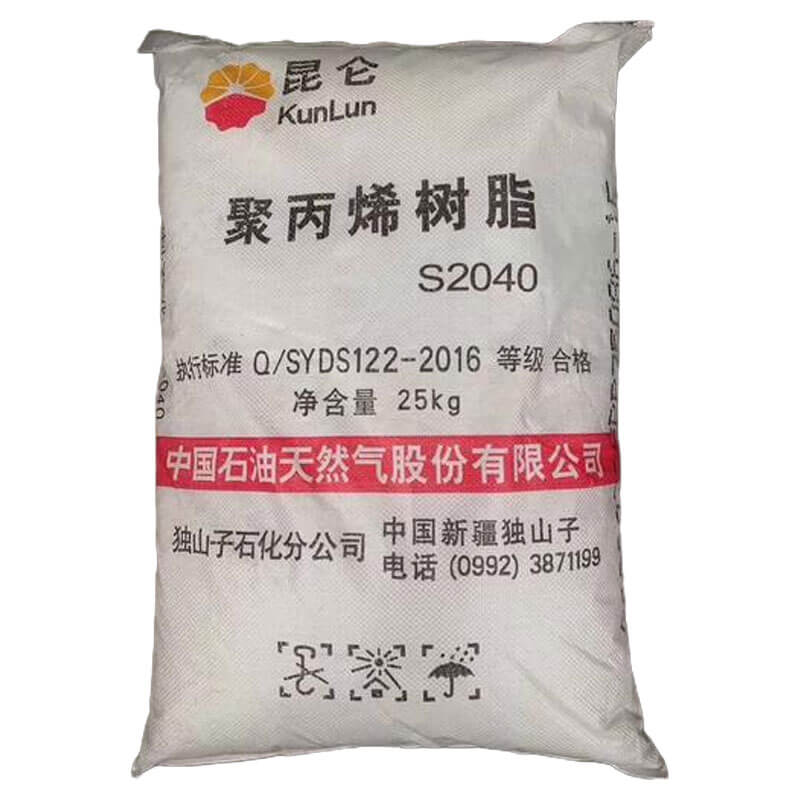
Polypropylene S2040

    • Product Name: Polypropylene S2040
    • Factroy Site: No. 6 Beijing Road, Dushanzi, Xinjiang
    • Price Inquiry: sales4@ascent-chem.com
    • Manufacturer: PetroChina Dushanzi Petrochemical Company
    • CONTACT NOW
    Specifications
    HS Code 549893
    Material Polypropylene S2040
    Grade Type Polypropylene Homopolymer
    Melt Flow Rate 230 C 2 16 Kg 20 g/10min
    Density 23 C 0.905 g/cm³
    Tensile Strength At Yield 33 MPa
    Elongation At Break 12%
    Flexural Modulus 1350 MPa
    Notched Izod Impact Strength 23 C 3.2 kJ/m²
    Rockwell Hardness R95
    Vicat Softening Temperature A 50 N 152 °C
    Heat Deflection Temperature 0 45 Mpa 95 °C
    Melting Point 160 °C
    Volume Resistivity 1.0E15 ohm·cm
    Dielectric Strength 22 kV/mm

    As an accredited Polypropylene S2040 factory, we enforce strict quality protocols—every batch undergoes rigorous testing to ensure consistent efficacy and safety standards.

    Packing & Storage
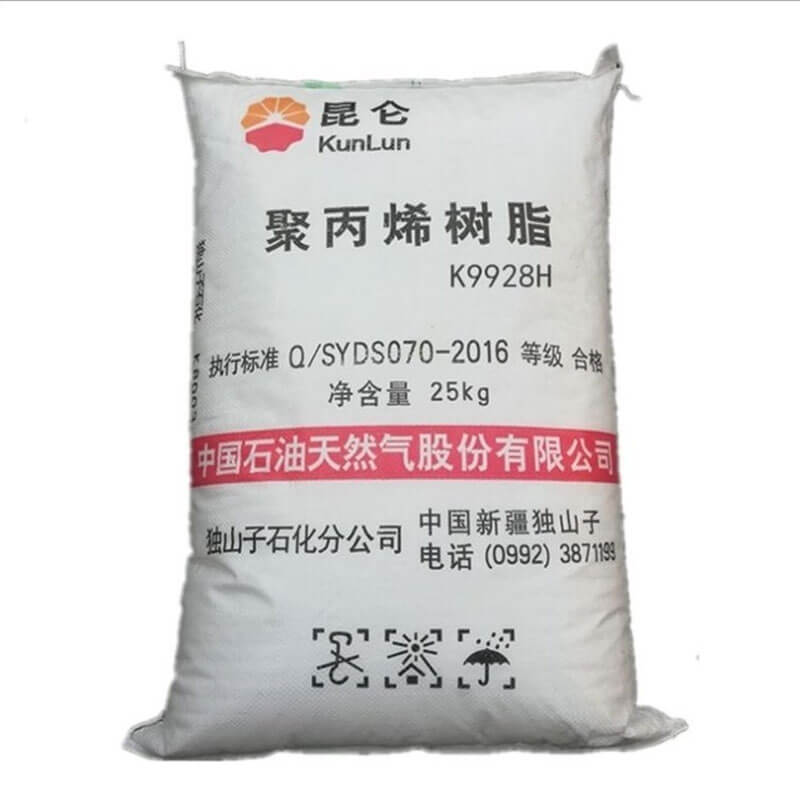
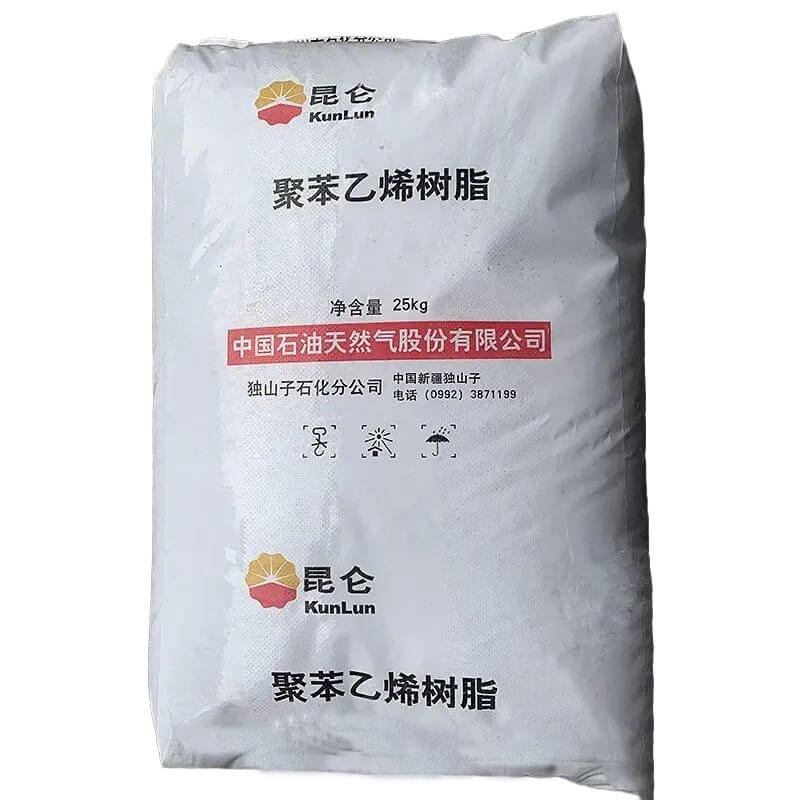
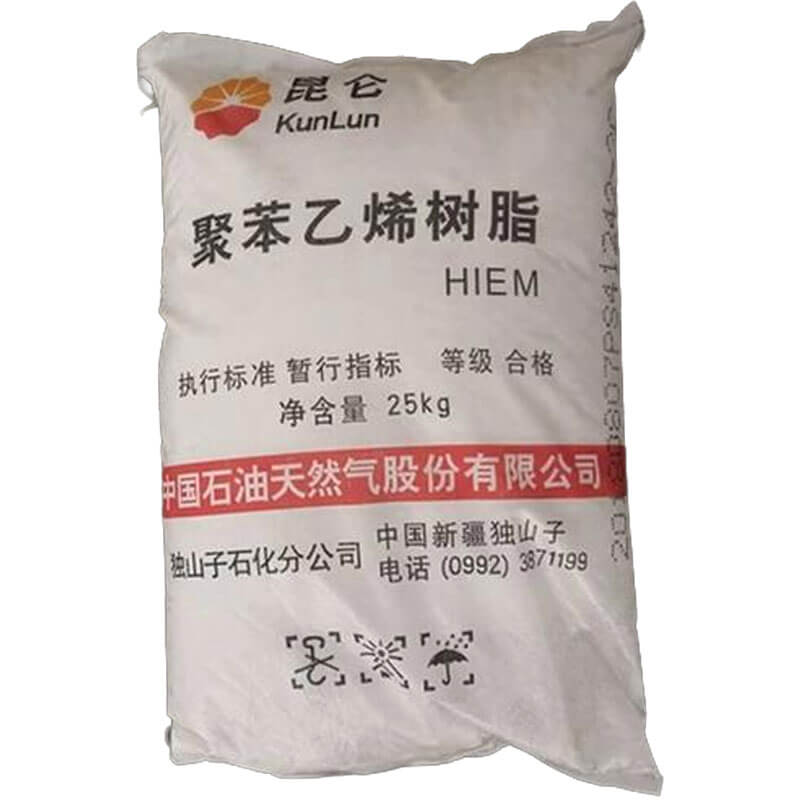
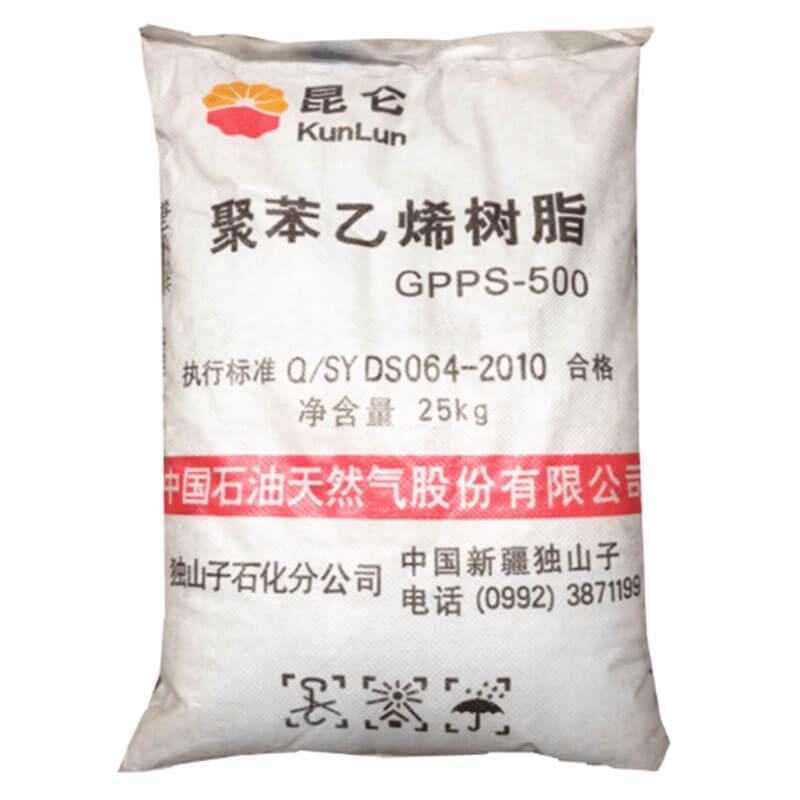
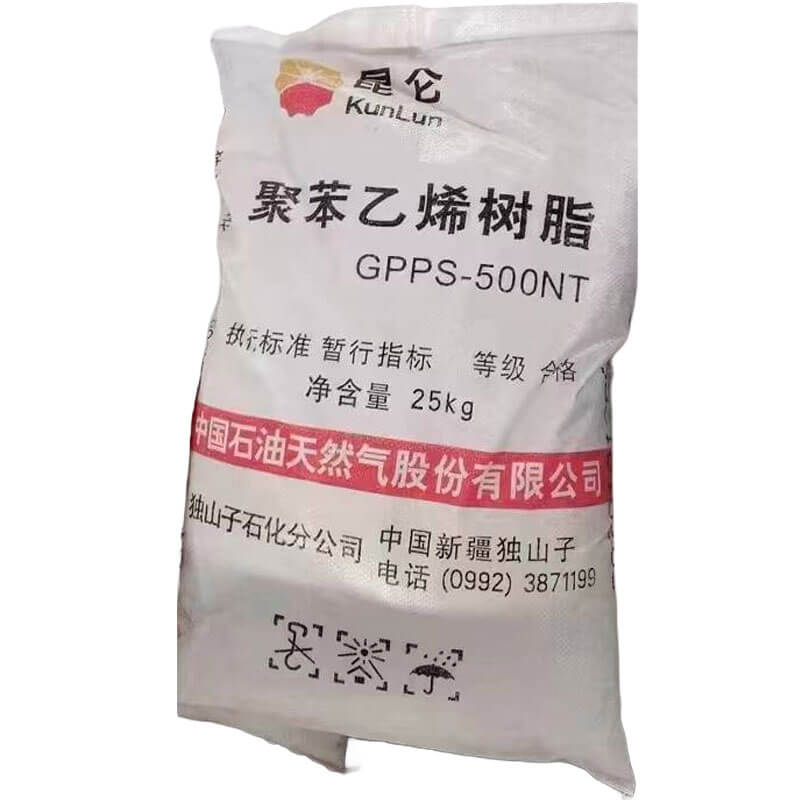
    Packing Polypropylene S2040 is supplied in 25 kg woven bags with inner liners, palletized and shrink-wrapped for safe transport.
    Container Loading (20′ FCL) Polypropylene S2040 loaded into 20′ FCL, palletized bags, secured, kept dry and away from heat to ensure safe transport.
    Shipping Polypropylene S2040 is a non-hazardous plastic resin shipped as free-flowing pellets. It is typically packaged in 25 kg bags, octabins, or bulk railcars/trucks. Keep packaging dry, away from heat and ignition sources. Transport in clean, covered containers to avoid contamination and moisture ingress. No dangerous goods classification applies.
    Storage Store Polypropylene S2040 in a cool, dry, well-ventilated area away from direct sunlight, heat, and ignition sources. Keep containers tightly sealed to prevent moisture contamination and dust accumulation. Avoid contact with strong oxidizers. No special requirements under normal conditions, but maintain good housekeeping to minimize dust and static discharge.
    Shelf Life Polypropylene S2040 has a typical shelf life of 2 years when stored in sealed, dry conditions away from heat and sunlight.
    Application of Polypropylene S2040

    How Does High-MFR Homopolymer S2040 Behave on Calendered Spunbond Lines?

    Polypropylene S2040 is characterised by a melt flow rate of 40 g/10 min measured under 2.16 kg at 230 °C in accordance with ISO 1133-1:2022, and a density of 0.90 g/cm³ per ISO 1183. In spunbond production, this melt-flow range shifts the extruder pressure profile relative to fibre-grade homopolymers with MFR 25 g/10 min. On single-screw extruders with L/D ratios between 30:1 and 40:1, barrel profiles from feed to metering are typically set at 180 °C, 210 °C, 225 °C, and 230 °C, with the spinneret die held at 232–238 °C. Lower melt viscosity reduces screw torque and die pressure, but also narrows the upper temperature limit: residence times above 240 °C for more than 6 min produce measurable yellowing and melt-flow drift from thermal degradation, particularly when the antioxidant package is depleted by regrind addition. Spin pack filtration upstream of the spinneret uses sintered metal screens with absolute ratings near 40 µm; a pressure rise above 10 MPa across the pack triggers a pack change and prevents spinneret hole plugging. Web formation is carried out through spinneret hole diameters of 0.35–0.50 mm at hole L/D values near 4:1; filament attenuation uses high-speed slot air in the 300–600 m/min range at the jet exit, with final filament velocities reported by equipment manufacturers to reach 4000–6000 m/min. Quench air at 18–22 °C and 55–65 % relative humidity is required to stabilise edge turbulence when forming height exceeds 500 mm on open lines. Fabric basis weight is controlled between 8 gsm and 70 gsm by forming belt speed and pump throughput; grammage is checked against ISO 9073-1.

    Thermal calender bonding is the critical step. Engraved roll bond area is held at 18–24 %, with oil-heated roll surface temperature between 148 °C and 158 °C and linear pressure from 60 N/mm to 100 N/mm. At roll temperatures above 162 °C, homopolymer filaments stick to the smooth or engraved roll and cause roll wrap; below 145 °C, bond points remain weak, and the fabric exhibits pilling and linting under abrasion. Machine-direction and cross-direction tensile properties are evaluated per ISO 9073-3, air permeability per ISO 9237, and hydrostatic head for medical barrier grades per ISO 811. Experience on production-scale calender lines shows that lot-to-lot MFR variation of ±2 g/10 min can shift die pressure by 5–8 % and alter the calender bonding window; pressure transducer logs and fabric tensile checks at each reel change are used to correct roll temperature by 2–4 °C. Typical terminal products include hygiene topsheet and backsheet laminates, surgical gowns, isolation gowns, agricultural floating row covers, and furniture upholstery backing. Natural homopolymer S2040 is not UV-stabilised for continuous outdoor exposure beyond one season; for agricultural applications, a hindered amine light stabiliser masterbatch is dosed at 0.5–1.5 wt% and outdoor weathering is verified against ISO 4892-2 cycle A.

    Blending S2040 with a peroxide vis-breaking masterbatch shifts the initial 40 g/10 min MFR into a range that can be processed on coarse meltblown lines; published data for this specific configuration is limited, but industrial vis-breaking of controlled-rheology polypropylene is well characterised in compounder technical literature. The reaction is a radical chain-scission process. A dialkyl peroxide, typically 2,5-dimethyl-2,5-di(tert-butylperoxy)hexane at 0.05–0.20 wt% active peroxide, is dispersed into S2040 through a twin-screw extruder with barrel temperatures from 230 °C to 280 °C and residence time of 30–90 s. The resulting melt flow rate is controlled by peroxide concentration and screw speed; higher screw speed shortens residence time and reduces the MFR increase, while extrusion below 220 °C leaves unreacted peroxide and causes post-extrusion viscosity drift in the meltblown hopper. Scission reduces molecular weight and narrows molecular weight distribution, which changes die pressure and fibre attenuation behaviour.

    Peroxide addition (wt% active)Resulting MFR (g/10 min)Melt temperature (°C)Die pressure (MPa)
    0.00402505.5
    0.103002502.8
    0.208002551.9

    Representative pilot line ranges for PP homopolymer vis-breaking; direct S2040 response requires in-house verification before production release. Meltblown die plates for these vis-broken polymers require hole density of 35–50 holes per inch, individual hole diameter 0.2–0.4 mm, air gap 0.3–0.6 mm, and die-to-collector distance 150–350 mm. Hot air at 260–300 °C and 0.5–1.5 bar attenuates the fibres; the collector vacuum and belt speed control web weight between 10 gsm and 150 gsm. On meltblown lines, vis-broken S2040 is commonly blended with a commercial meltblown PP of MFR ≥ 1200 g/10 min at 20–50 wt% to improve web tensile without sacrificing filtration efficiency; the blend ratio is set by the target pressure drop across the finished filter medium at 32 L/min per 100 mm². Terminal products include HVAC filter media, coarse face mask layers, and oil-sorbent pads. Filtration efficiency is evaluated under ISO 16890 for HVAC grades. Amine-based antioxidant packages suppress peroxide radical scission, so masterbatch selection must use phenolic or phosphite stabilisers only. For food-contact applications, the vis-broken resin must comply with FDA 21 CFR 177.1520 and EU Regulation (EU) 10/2011, with specific migration limits measured under EN 1186-1. If odour or extractable content is critical for hygiene grades, post-scission devolatilisation at −0.08 MPa vacuum and melt seal design are necessary.

    Staple Fiber Attenuation and Thermal Bonding Thresholds

    In staple fibre production, S2040 is fed to single-screw extruders with screw diameters from 50 mm to 120 mm, using barrel temperatures of 200–260 °C and spin beam temperature of 240–270 °C. Spinneret holes for staple fibre are larger than spunbond, typically 0.4–0.8 mm, with quench air at 18–25 °C and take-up speeds from 800 m/min to 1500 m/min. Drawing is performed on heated godets with draw ratios between 3:1 and 4:1; first godet temperature below 60 °C produces filament breaks at the draw point, while first godet at 80 °C stabilises the spinline. Crimping and cutting follow drawing; cut lengths from 6 mm to 51 mm are common. Fibre tensile properties are measured under ISO 5079, with tenacity in the range 25–35 cN/tex and elongation at break of 150–250 % reported for PP staple of this MFR class. The resulting staple is used for needlepunched geotextiles, automotive carpet backing, thermal insulation, and nonwoven wipes. A processing bottleneck occurs when S2040 staple is thermally bonded as the sole fibre: the homopolymer has no lower-melting sheath, so calender bonding requires surface temperatures of 150–160 °C and causes partial fibre flattening; for lower bonding energy, a bicomponent sheath-core fibre or a low-melting co-PP binder fibre is blended at 10–20 wt%.

    When the same 40 g/10 min MFR is directed into thin-wall injection moulding, the melt exhibits sufficient flow length for wall sections down to 0.8 mm in multi-cavity hot-runner tools, although published data for this specific S2040 configuration is limited and should be verified on a spiral flow mould. Barrel temperatures are set lower than fibre processes, from 200 °C at the feed to 230 °C at the nozzle, with mould temperature at 20–40 °C. Injection speed is set at 150–250 mm/s, holding pressure at 30–60 MPa, and clamp force is estimated at 0.5–0.8 t/cm² of projected area. Shrinkage for PP homopolymer of this class is 1.0–1.5 % in flow direction and 1.2–1.8 % transverse after 24 h, measured under ISO 294-4. Thin-wall containers, caps, closures, and disposable medical device components are terminal products. Compliance for food contact is governed by FDA 21 CFR 177.1520 and EU Regulation (EU) 10/2011; for medical devices, ISO 10993-1 biological evaluation applies when the component is body-contacting. Warpage and sink marks are the main failure modes: if gate freeze is not confirmed and holding pressure time is less than 2 s, post-mould shrinkage increases and dimensional rejection rises.

    Masterbatch Carrier Viscosity and Filter Pressure Build Are Controlled by Pigment Loading

    S2040 functions as a carrier resin in PP-based colour concentrate production on twin-screw extruders with L/D 40:1 and screw speed 400–600 rpm. Organic pigment loading is typically 40–55 wt%, the die melt temperature is held at 200–210 °C, and dispersion quality is monitored by filter pressure rise across a 50 µm screen pack; a pressure above 5 MPa triggers a screen change. Concentrate letdown ratio in nonwoven or injection moulding is determined by final colour intensity; terminal products are masterbatches for PP spunbond, staple fibre, and thin-wall packaging. The carrier resin must comply with REACH registration and, for indirect food-contact packaging, with EU 10/2011 declarations from the pigment supplier.

    For needlepunched geotextile lines processing 38 mm staple fibre spun from S2040, web cross-lapping and barbed needle punching set final mechanical properties more than resin MFR alone. The carded web is cross-lapped to batt weights from 200 gsm to 600 gsm, then needlepunched at densities from 30 punches/cm² to 80 punches/cm². Barbed needle type and penetration depth of 10–15 mm influence tensile strength and elongation; increasing needle density above 80 punches/cm² raises fabric stiffness but reduces elongation at break below 40 %, a trade-off documented in geotextile specification sheets. Mechanical performance is assessed by ISO 9073-3 for tensile strength, ISO 12236 for static puncture resistance, and ASTM D4533 for trapezoid tear. Terminal products include separation layers, drainage composites, and erosion control blankets. Since S2040 homopolymer is not UV-stabilised, outdoor geotextile grades require 2–3 wt% carbon black masterbatch; accelerated weathering is checked under ISO 4892-2 cycle A for UV exposure durability.

    Free Quote

    Competitive Polypropylene S2040 prices that fit your budget—flexible terms and customized quotes for every order.

    For samples, pricing, or more information, please contact us at +8618136850665 or mail to sales4@ascent-chem.com.

    We will respond to you as soon as possible.

    Tel: +8618136850665

    Email: sales4@ascent-chem.com

    Inquiry

    Get Free Quote of PetroChina Dushanzi Petrochemical Company

    Flexible payment, competitive price, premium service - Inquire now!

    Certification & Compliance
    More Introduction

    Polypropylene S2040 is a high-melt-flow homopolymer grade supplied as pelletized resin for melt-blown and spunbond nonwoven conversion. Its molecular architecture consists primarily of isotactic propylene repeat units with a narrow molar mass distribution, which produces a steep shear-thinning response and low melt viscosity under the shear rates encountered in spinneret orifices. Supplier technical bulletins for S2040 typically list a melt flow rate of 36–42 g/10 min when measured at 230 °C under 2.16 kg load in accordance with ISO 1133-1:2022. Density is reported as 0.900–0.910 g/cm³ by ISO 1183-1:2019 on injection-moulded plaques. The grade is specified primarily for nonwoven webs and filtration media, rather than for pipe extrusion, deep-draw thermoforming, or high-impact injection moulding.

    Rheologically, S2040 behaves as a linear homopolymer with a higher crossover frequency in small-amplitude oscillatory shear than a 12 g/10 min injection moulding grade. The storage modulus remains below the loss modulus over a broader frequency range, which indicates the absence of long-chain branching rather than a broad high-molecular-weight tail. Published data for the exact power-law index of S2040 grade is limited, but high-MFR homopolymers with MFR near 40 g/10 min typically show a power-law index in the range 0.35–0.45 over 100–5000 s⁻¹ at 230 °C. This shear-thinning response is exploited in melt-blown spinnerets, where orifice shear rates exceed 10⁵ s⁻¹ and the low viscosity permits high die hole density. However, the same linear architecture limits extensional viscosity. In the hot-air attenuator, the extensional viscosity does not rise sharply with strain rate, so filament breakage occurs at lower draw ratios than for long-chain branched polypropylene grades.

    Thermal and Mechanical Reference Data for Polypropylene S2040

    The values below represent a typical property envelope from supplier datasheets and third-party test reports. They are not batch-specific certificates and should not be used for final lot release without testing. Sample preparation follows ISO 1873-2:2007 for injection moulding of polypropylene test specimens unless noted otherwise.

    PropertyTest methodTypical rangeUnit
    DensityISO 1183-1:20190.900–0.910g/cm³
    Melt flow rateISO 1133-1:202236–42g/10 min
    Tensile yield stressISO 527-2:201233–37MPa
    Tensile yield strainISO 527-2:20127–11%
    Flexural modulusISO 178:20191300–1550MPa
    Notched Izod impact strength at 23 °CISO 180/A:20192.0–3.5kJ/m²
    Vicat softening temperature A50ISO 306:2022150–156°C
    Heat deflection temperature B0.45 MPaISO 75-2:201380–95°C
    Ash contentISO 3451-1:2019≤0.05%
    Moisture contentISO 15512:2019≤0.05%

    On a commercial melt-blown line, S2040 is typically processed on a single-screw extruder with a barrier screw and an L/D ratio of at least 30:1. Barrel settings from feed to metering are normally staged between 190 °C and 260 °C, while the die body is held 5–15 °C above the metering zone to compensate for heat loss at the die tips. At these temperatures, the resin forms filaments that can be attenuated by hot air to fibre diameters below 5 µm in the primary web. High barrel temperatures above 290 °C are not recommended because chain scission accelerates and the melt flow rate of the resin can increase by several grams per ten minutes during a single residence-time cycle. The resulting web tensile strength, measured by ISO 9073-3:1989, may drop before any visual change is detected.

    What Limits Web Uniformity When S2040 Is Processed on Single-Screw Melt-Blown Lines?

    The principal process constraint is the combined effect of melt viscosity, air-knife velocity, and collector position. For S2040, the recommended melt temperature at the die is 240–280 °C. Operation below 240 °C increases die pressure and can create fibre roping because the melt does not draw uniformly through the orifices. Operation above 280 °C improves attenuation but increases shot and fused fibre bundles because the linear homopolymer lacks melt strain hardening. The air gap between die tip and air knife should be maintained at 0.8–1.5 mm; a deviation of more than 0.2 mm across the die width can produce visible basis-weight streaks. Collector distance is typically set from 150 mm to 400 mm. Shorter distances increase web strength by preserving fibre entanglement but reduce opacity and filtration efficiency measured by ASTM F2101-19 for bacterial filtration. Longer distances increase openness and pressure drop stability but decrease tensile strength. Because the S2040 melt flow rate can shift by 3 g/10 min between lots, the processing window for lot-to-lot web uniformity is narrower than for grades with lower nominal melt flow rate.

    When S2040 Is Compared to Lower Melt Flow Injection Moulding Grades

    Substituting S2040 into an injection moulding tool designed for a 12 g/10 min homopolymer changes flow length but reduces impact and long-term load-bearing performance. At the same barrel temperature, S2040 fills thin-wall sections more easily because its low molecular weight lowers injection and packing pressure. However, the weld-line tensile strength of an S2040 moulded part, measured on a double-gate tensile bar by ISO 527-2:2012, is typically lower than that of a 12 g/10 min grade because less interdiffusion of high-molecular-weight chains occurs across the weld interface. Notched Izod impact strength at 23 °C is not a direct service-life indicator, but the fall from 5–7 kJ/m² for a medium-flow injection grade to 2.0–3.5 kJ/m² for S2040 illustrates the trade-off. S2040 is therefore not a direct drop-in for safety-critical injection moulded components requiring impact resistance. The comparison also extends to optical properties: the high melt flow grade can produce lower haze in thin sections because less orientation-induced surface roughness is generated, but the narrow molecular weight distribution reduces melt strength and makes gas-counter-pressure foaming difficult.

    CharacteristicS2040Medium-flow injection homopolymerHigh-melt-strength PP
    Nominal melt flow rate36–42 g/10 min10–15 g/10 min2–4 g/10 min
    Molecular architectureLinear, narrow MWDLinear, medium MWDLong-chain branched
    Melt strengthLowModerateHigh
    Main conversion processMelt-blown / spunbondInjection mouldingExtrusion foaming / thermoforming
    Typical melt temperature240–280 °C200–250 °C180–220 °C
    Notched Izod at 23 °C2.0–3.5 kJ/m²5–7 kJ/m²8–15 kJ/m²
    Primary processing riskThermal chain scission at high temperatureFlow marks in thin wallHigh die pressure and overheating

    Compared with a polypropylene random copolymer of similar melt flow rate, S2040 has higher flexural modulus and higher softening temperature because it lacks ethylene comonomer. This is an advantage where stiffness and thermal stability are required, but it also means S2040 has a higher seal initiation temperature and is not used as a heat-seal layer in cast film. In melt-blown filtration, the stiffness of the nonwoven web from S2040 can be lowered by adding a softer polypropylene-based elastomer, but such blending reduces melt viscosity stability and can shift the filter pressure drop curve in a way that is not predictable from the resin MFR alone.

    Published data for the mechanical response of S2040 in multi-layer melt-blown composites is limited, particularly for combinations with electrospun polyamide or polyvinylidene fluoride layers. The interface between the PP melt-blown substrate and a dissimilar fibre layer is governed by mechanical interlocking rather than molecular interdiffusion. Peel strength is therefore highly dependent on web formation temperature and collector compaction, not solely on resin type.

    Drying, Storage, and Oxidative Stability Boundaries

    Polypropylene homopolymer is not hygroscopic in the manner of polyamide or PET, and supplier moisture specifications typically allow shipment with a maximum moisture content of 0.05% by ISO 15512:2019. Pre-drying is not required when storage is dry and ambient relative humidity remains below 60%. When bags are opened in high-humidity environments or the resin is stored outdoors, surface condensation can enter the feed throat and produce visual silver streaks in melt-blown webs. Drying with dehumidified air at 80 °C for 2–3 h is sufficient to remove surface moisture; higher temperatures above 100 °C are unnecessary and can lead to pellet agglomeration in hopper dryers. The stabilizer package in S2040 is designed for short-term thermal exposure during melt processing; prolonged hold-up above 280 °C will deplete phenolic antioxidants and increase yellowness index as measured by ASTM E313-20.

    Regulating Migration Limits and Food-Contact Documentation

    Compliance documentation for S2040 should cite the resin as a homopolymer of propylene. Under FDA 21 CFR 177.1520(a)(3)(i), olefin polymers may be used in contact with food only when the finished article meets the extractables specifications in 21 CFR 177.1520(c). Compliance is not transferable from resin supplier to finished-article producer. In the European Union, food-contact articles made from S2040 must satisfy overall migration limits in EU Regulation 10/2011 and its subsequent amendments, with test methods referenced in EN 1186-1:2002 and EN 13130-1:2004. The resin also falls within the scope of REACH and RoHS 2011/65/EU as a polymer containing no intentionally added lead, cadmium, mercury, or hexavalent chromium. For pharmaceutical filter media, bioburden and extractable profiles must be validated on the final nonwoven article; resin data alone cannot establish finished-device compliance with ISO 10993-1:2018.