Polystyrene Resin PS

    • Product Name: Polystyrene Resin PS
    • Factroy Site: No. 6 Beijing Road, Dushanzi, Xinjiang
    • Price Inquiry: sales4@ascent-chem.com
    • Manufacturer: PetroChina Dushanzi Petrochemical Company
    • CONTACT NOW
    Specifications
    HS Code 704735
    Density 1.04 - 1.06 g/cm³
    Tensile Strength 35 - 55 MPa
    Elongation At Break 1 - 3%
    Flexural Modulus 2800 - 3500 MPa
    Impact Strength 0.3 - 0.5 kJ/m²
    Heat Deflection Temperature 80 - 95 °C
    Glass Transition Temperature 95 - 105 °C
    Melting Point Amorphous (softens above 100 °C)
    Water Absorption 24h 0.03 - 0.10%
    Dielectric Constant 2.4 - 2.6 at 1 MHz
    Refractive Index 1.59 - 1.60
    Hardness Rockwell M60 - M90
    Thermal Conductivity 0.030 - 0.040 W/m·K
    Shrinkage Molding 0.3 - 0.7%

    As an accredited Polystyrene Resin PS factory, we enforce strict quality protocols—every batch undergoes rigorous testing to ensure consistent efficacy and safety standards.

    Packing & Storage
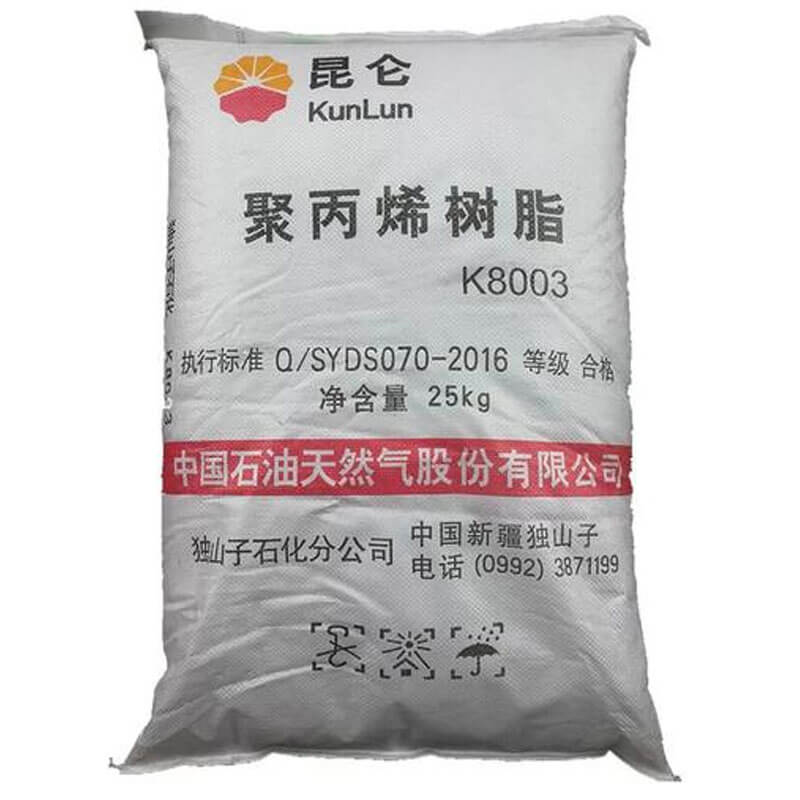
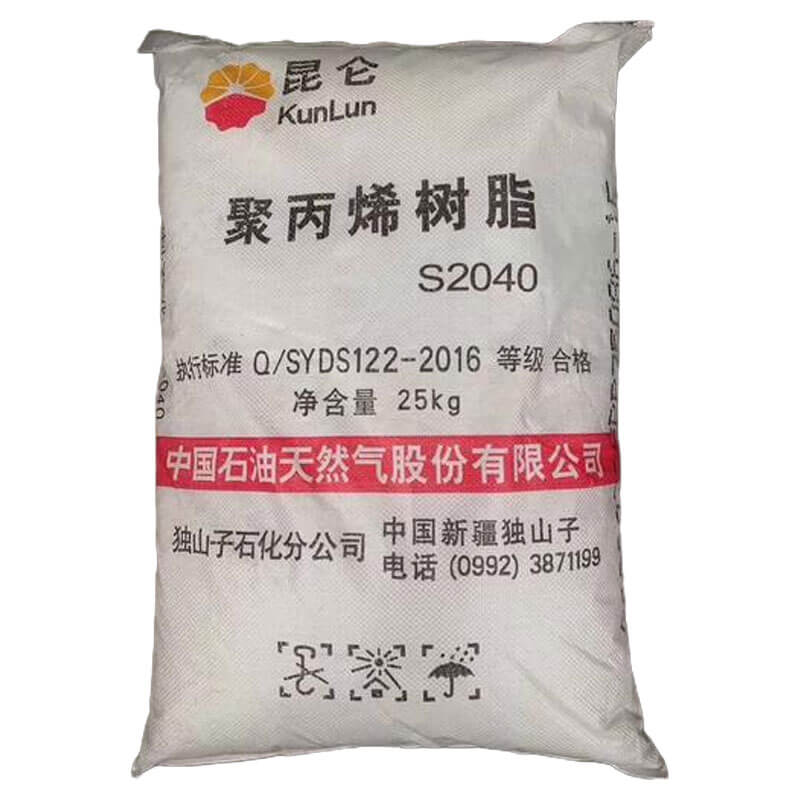
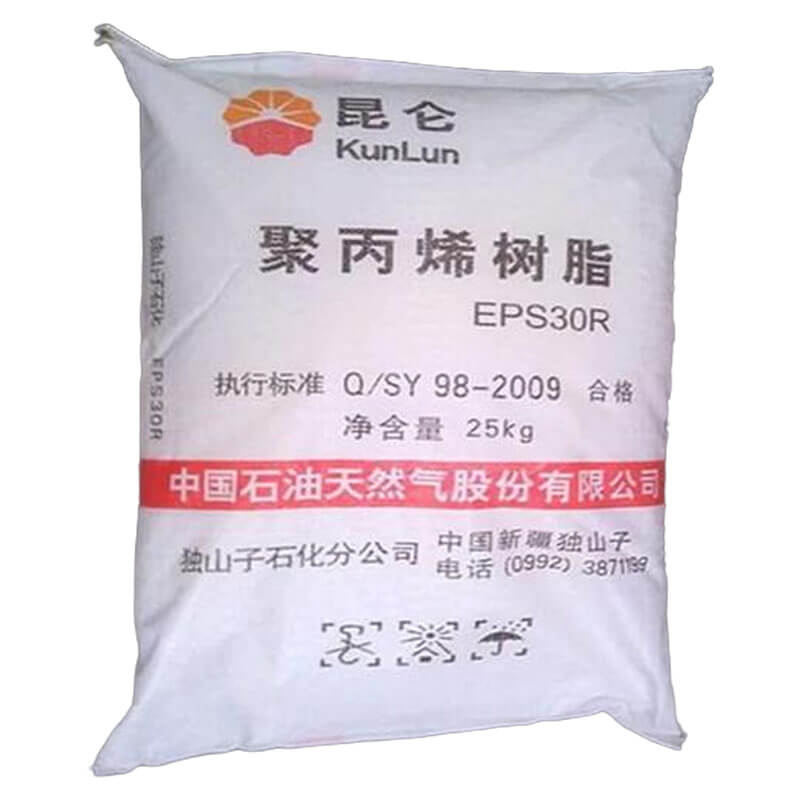
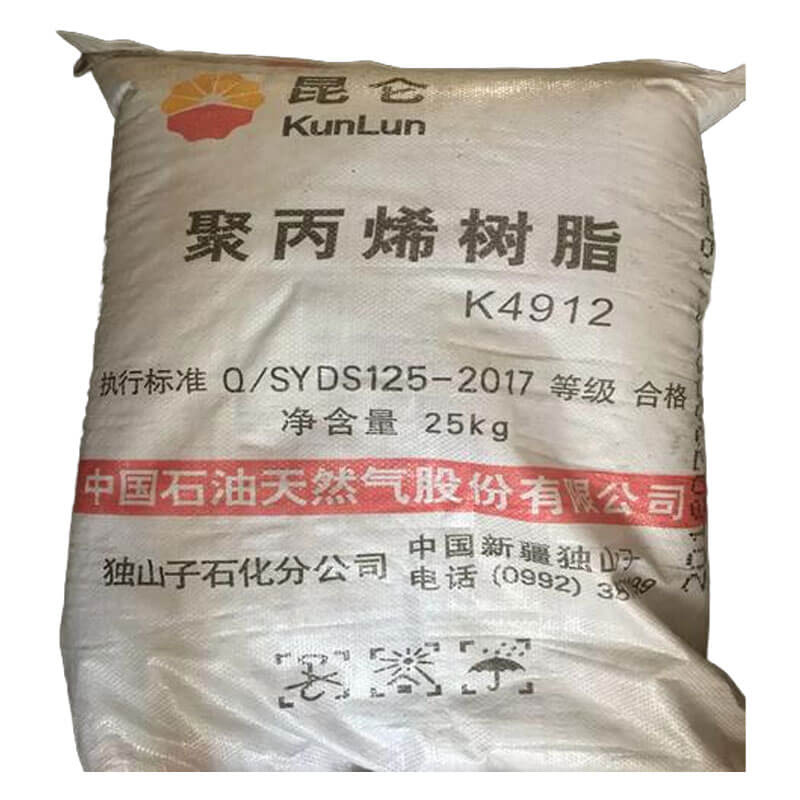
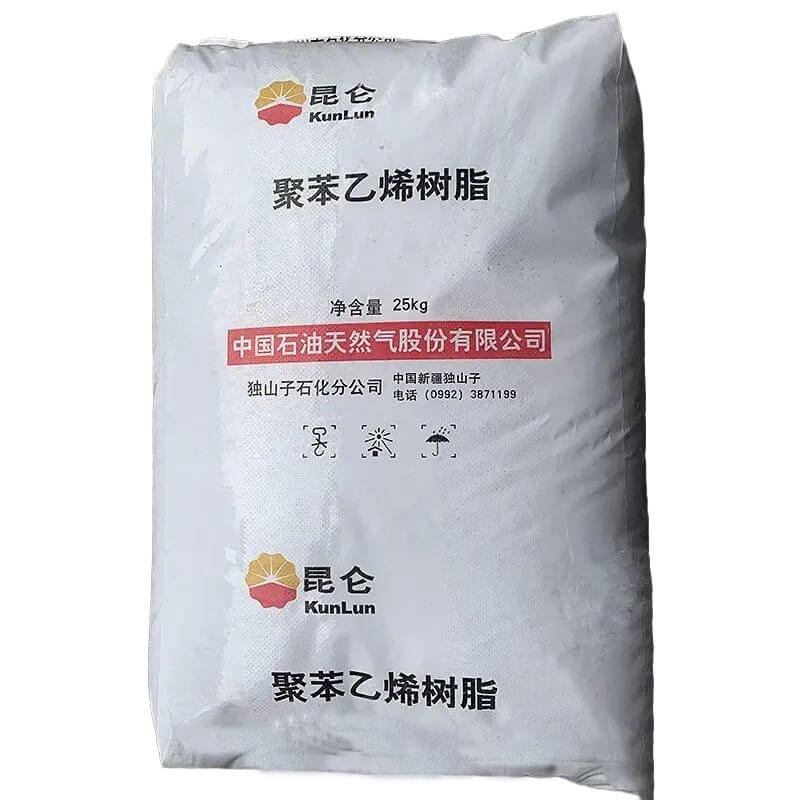
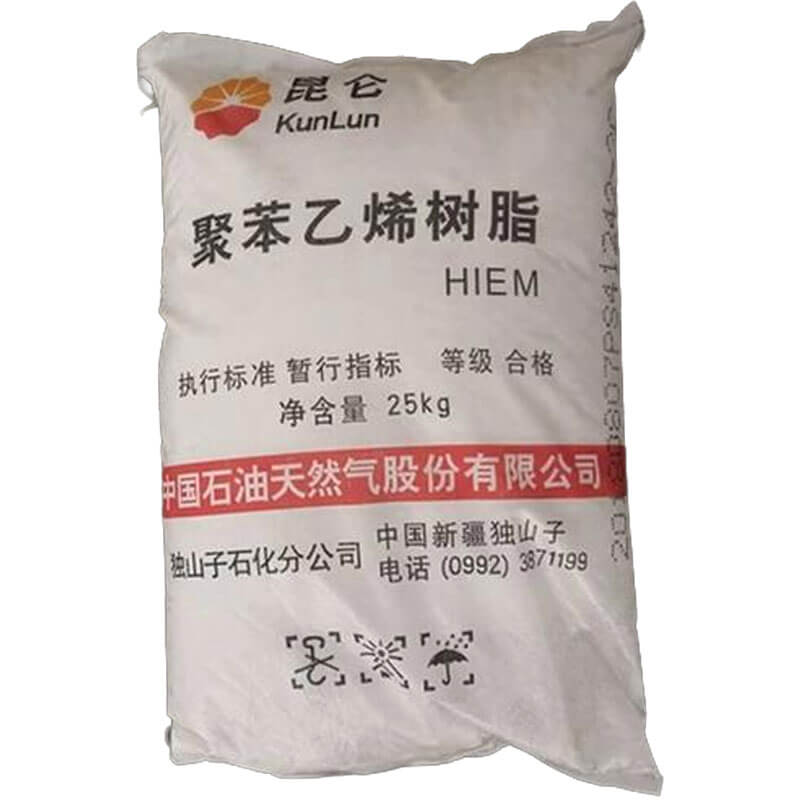
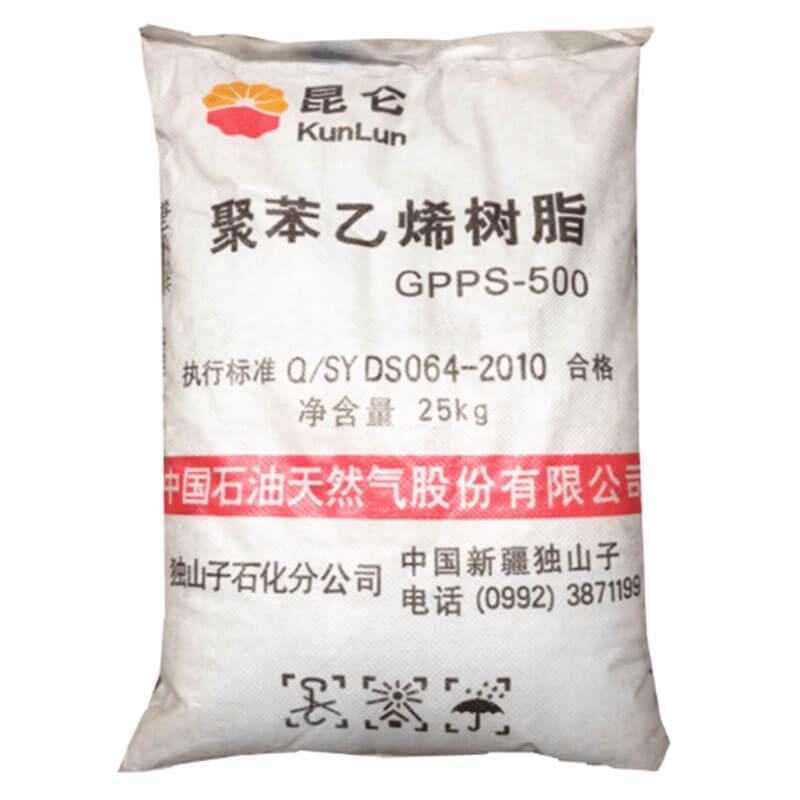
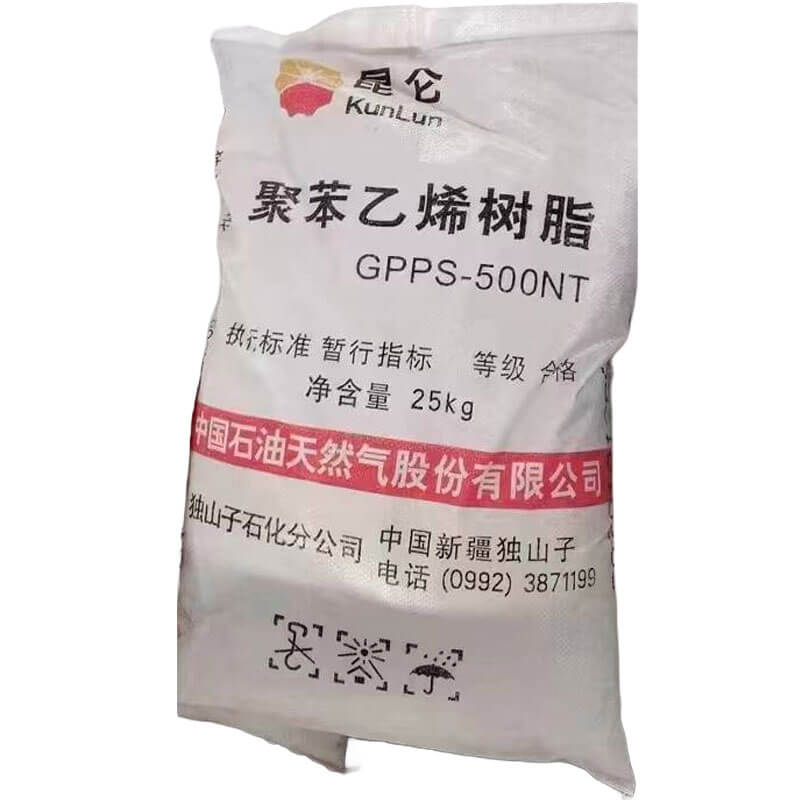
    Packing Polystyrene Resin PS is packaged in moisture-proof laminated bags, net weight 25 kg per bag, ensuring safe transport and storage.
    Container Loading (20′ FCL) 20′ FCL container loading of Polystyrene Resin PS: bagged pallets, securely stowed and braced for safe, efficient transport.
    Shipping Polystyrene Resin PS is shipped as solid pellets or beads in sealed bags, sacks, or bulk containers. It is non-hazardous under normal transport conditions, but should be kept dry and away from excessive heat. No special dangerous goods classification required for standard road, sea, or rail freight.
    Storage Store Polystyrene Resin PS in a cool, dry, well-ventilated area away from direct sunlight, heat, and open flames. Keep containers tightly sealed to prevent moisture absorption and contamination. Maintain stable temperatures below 25°C, avoid excessive humidity, and separate from oxidizing agents and incompatible chemicals to ensure product stability and safety.
    Shelf Life Polystyrene resin PS typically has a 2-3 year shelf life when stored in a cool, dry, dark place, away from UV and humidity.
    Application of Polystyrene Resin PS

    Polystyrene resin with a melt flow rate of 6.0–10.0 g/10 min determined in accordance with ISO 1133-1:2022 at 200 °C under 5.0 kg is injection molded into transparent disposable laboratory consumables on hydraulic machines equipped with 20–25 mm diameter, L/D 20:1 reciprocating screws and clamp force of 800–1,500 kN. The barrel profile is set from 190 °C at the feed throat to 230 °C at the nozzle, while the mold is held at 20–55 °C; injection pressure ranges from 70–110 MPa, hold pressure from 40–60 MPa, and cooling time from 8–15 s for walls of 1.0–1.5 mm. Optical clarity is governed by ASTM D1003-21: typical general-purpose polystyrene parts exhibit total luminous transmittance greater than 88% and haze below 2.0% when the mold surface is polished to SPI A-1 finish and no internal release agents are added. Mold shrinkage ranges from 0.004–0.006 mm/mm per ASTM D955-21, and variation across a 96-well microplate is controlled by maintaining cavity pressure above 50 MPa during packing. For diagnostic and cultureware applications, raw material suppliers may certify compliance with USP <88> Class VI and ISO 10993-5 when the grade is manufactured under defined monomer control; general-purpose polystyrene without such certification is not appropriate for implant or prolonged mucosal contact. Sterilization at 25–40 kGy gamma irradiation raises yellowness index from below 1.0 to 2.5–4.0 depending on stabilizer package. Autoclaving at 121 °C is not recommended because the heat deflection temperature of general-purpose polystyrene under 1.82 MPa is typically 76–94 °C per ASTM D648-16, leading to part distortion. Polystyrene is incompatible with aromatic and chlorinated solvents, ketones, and some alcohols; stress cracking has been observed on cuvettes exposed to ethanol above 20% concentration at 23 °C. A production-scale bottleneck is gate blush on thin-walled cuvettes; valve-gated hot runner systems with 0.6–1.0 mm gate diameters and mold temperatures above 35 °C reduce blush by maintaining polymer flow front temperature above 200 °C. Finished products include cuvettes, 96-well microplates, serological pipettes, petri dishes, and culture tubes used for aqueous reagent handling and diagnostic photometric readings.

    Why Does GPPS/HIPS Sheet Extrusion Demand Tight Melt Temperature Control?

    Extruded polystyrene sheet for thermoformed food-contact packaging is manufactured from general-purpose polystyrene with a melt flow rate of 2.5–4.0 g/10 min (ISO 1133-1:2022, 200 °C/5 kg) on a twin-screw extruder with L/D 32:1, a melt pump, and a coat-hanger sheet die. Barrel zone temperatures are typically set at 180 °C, 200 °C, 210 °C, 220 °C, 230 °C, and 235 °C from feed to die, with a die temperature of 220–240 °C; lower temperatures generate melt fracture and die lines, while temperatures above 250 °C accelerate chain scission and produce gel particles visible as fisheyes in 0.30–1.20 mm sheet. Chill roll temperatures of 60–90 °C control sheet haze and residual stress, and roll gap pressure is adjusted to maintain sheet thickness tolerance of ±0.05 mm across a 1,200 mm web. Thermoforming of the sheet is performed at 125–150 °C sheet surface temperature using plug-assisted molds with plug velocity of 200–400 mm/s and mold temperature of 20–45 °C. Draw ratios of 1.5:1 to 4.0:1 are common; below 120 °C the sheet tears at corners, while above 155 °C it develops gloss loss and webbing between cavities.

    Compliance for direct food contact rests on FDA 21 CFR 177.1640 and Commission Regulation EU 10/2011; residual styrene monomer must be controlled below the specific migration limit of 40 mg/kg under the specified simulant and time/temperature conditions. For opaque trays requiring impact, 10–20 wt% high-impact polystyrene containing 8–10 wt% polybutadiene rubber is added to the core layer or the monolayer, reducing notched Izod impact failures during drop testing; clear monolayer cups use general-purpose polystyrene without high-impact polystyrene to preserve total luminous transmittance above 88%. Typical color masterbatch loadings are 2.0–3.0 wt%, and white masterbatch based on titanium dioxide at 3.0–5.0 wt% is added for dairy portion packs. Process limitation: polystyrene sheet is not suitable for microwave reheating or hot-fill above 75 °C because dimensional stability under load is insufficient. Production bottleneck observed on continuous lines is curl in printed sheet: gauge variation above 5% across web width from roll bending produces downstream thermoforming misfeed; correction requires crossed-axis roll alignment and closed-loop chill roll gap control. Finished products include clamshell containers, yogurt cups, vending cups, bakery trays, and portion packs for solid or ambient liquid foods.

    When Polystyrene Melt Strength Falls Below 0.15 N at 190 °C, Blowing Agent Retention Fails

    Extruded polystyrene foam board is produced by metering a physical blowing agent into a high-molecular-weight polystyrene melt in a tandem extrusion line. The primary extruder is a co-rotating twin-screw machine with L/D 40:1 and segmented screw elements; the secondary cooling extruder is a single-screw unit with L/D 25:1. The resin is selected for a melt flow rate of 3.0–5.0 g/10 min (ISO 1133-1:2022, 200 °C/5 kg) and a melt tension above 0.15 N at 190 °C, measured with a capillary rheometer equipped with a melt tension kit. Nucleating talc is dosed at 0.5–1.5 wt% with a median particle size of 1–5 µm; halogenated flame retardant packages based on polymeric brominated styrene-butadiene copolymer are dispersed at 0.5–2.0 wt%, and acid scavengers such as hydrotalcite at 0.2–0.5 wt% are dry-blended before the main feed. Carbon dioxide is injected at 6.0–8.0 wt% through a high-pressure metering system at 200–300 bar, with the injection point located before mixing elements to ensure dissolution. Melt temperature at the primary extruder discharge is 190–210 °C; the cooling extruder reduces it to 115–130 °C at the die, a window that keeps the blowing agent in solution while allowing viscosity to rise sufficiently for cell wall stabilization.

    Die pressure is maintained above 70 bar, and pressure drop across the die lips is controlled within ±5% to prevent pre-foaming and surface defects. Foam density is adjusted from 28–45 kg/m³ by varying blowing agent loading and die temperature. Thermal conductivity at 90 days of 90 °C storage, λ90/90, ranges from 0.030–0.034 W/m·K for carbon dioxide-blown boards with closed cell content above 95% per EN 13164:2012+A1:2015. Compressive strength at 10% deformation is 150–300 kPa, and long-term water absorption by diffusion is below 0.2 vol% when tested per EN 12087:2013. Operational failure occurs when melt temperature falls below 110 °C: melt strength increases but die pressure exceeds the extruder safety limit, while above 135 °C the blowing agent flashes prematurely inside the die, producing surface blisters and density above 50 kg/m³. The specific die gap is set to 10–30 mm for board thickness of 20–80 mm; vacuum calibration on the cooling conveyor controls width and thickness tolerances of ±2 mm. Published comparative data for HFO-1234ze versus carbon dioxide in the same tandem line configuration is limited; board manufacturers validate blowing agent efficiency through pilot-scale density trials.

    Representative carbon dioxide-blown XPS board property ranges at 25 mm thickness
    Nominal board density (kg/m³)λ90/90 (W/m·K)Compressive strength at 10% deformation (kPa)Closed cell content (vol%)
    28–300.033–0.034150–18095–96
    32–340.032–0.033180–22096–97
    36–380.031–0.032220–26097–98
    40–450.030–0.031260–30097–98

    Expandable polystyrene beads containing 5.0–7.0 wt% n-pentane are pre-expanded in a continuous steam pre-expander at 95–105 °C to bulk densities of 15–30 kg/m³; the pre-expander uses steam pressure of 0.08–0.20 bar and residence time of 30–90 s. The expanded beads are aged in ventilated silos at 20–30 °C for 6–24 h to allow air diffusion into the cells and condensation of residual pentane, a step that determines final molding dimensional tolerance. Block or shape molding is performed in steam-chest presses at steam pressure of 0.6–1.2 bar, back pressure of 0.4–0.8 bar, and cooling water temperature of 20–30 °C; cycle times for 600 mm × 600 mm × 100 mm blocks are 120–180 s. Fusion quality is assessed by flexural strength per EN 12089:2013 or ASTM C203-05a; poor fusion appears when aging time is below 6 h or steam pressure is below 0.5 bar, producing bead pullout at surfaces. Densities below 12 kg/m³ are possible but lose compressive strength below 50 kPa at 10% deformation and are limited to void-fill applications. Compliance for building insulation is governed by EN 13163:2012+A1:2015 and ASTM C578-22; food-contact fish boxes require EU 10/2011 compliance. Finished products include insulation boards, shape-molded protective packaging for appliances, helmet liners, and fish transport boxes.

    HIPS Enclosure Warpage, Gate Vestige, and Clamp Force Allocation

    Injection molding of high-impact polystyrene enclosures for refrigeration and consumer electronics uses high-impact polystyrene grades with a melt flow rate of 4.0–8.0 g/10 min (ISO 1133-1:2022, 200 °C/5 kg) and a polybutadiene rubber content of 8.0–10.5 wt%. Molding machines are specified with clamp force from 12,000–20,000 kN for parts such as refrigerator liners with projected area above 3.0 m²; cavity pressure is maintained at 30–50 MPa during packing to compensate for volumetric shrinkage of 0.005–0.008 mm/mm per ASTM D955-21. Barrel temperature settings are 200 °C, 210 °C, 220 °C, 230 °C, and 235 °C from rear to nozzle, with a melt temperature of 220–250 °C; mold temperature is 30–50 °C to prevent rubber phase orientation and side-wall gloss variation. Notched Izod impact strength from 90–160 J/m per ASTM D256-10e1 and tensile yield strength of 20–30 MPa per ASTM D638-14 define the balance between stiffness and ductility for snap-fit bosses and screw bosses. Heat deflection temperature under 1.82 MPa is 75–90 °C per ASTM D648-16, which restricts use in contact with hot compressor lines without standoff insulation.

    Warpage in refrigerator liners is driven by anisotropic shrinkage: the flow direction shrinks 0.006–0.008 mm/mm while the transverse direction shrinks 0.005–0.007 mm/mm. Mold-filling simulation is used to place weld lines away from corner load paths, and wall thickness is held within 0.5 mm across a 2.5 mm nominal section. Gate vestige is controlled with valve-gated hot runners with 0.8–1.2 mm gate diameter; pneumatic valve pin timing is set to close after 90–95% of packing volume is delivered. Flame-retardant high-impact polystyrene for television back covers and monitor housings uses brominated or phosphorus-based packages to achieve UL 94 V-2 or V-0 at 1.5 mm thickness; compliance with EU RoHS Directive 2011/65/EU and REACH SVHC restrictions must be verified for each flame-retardant package. Weatherability is a known boundary: high-impact polystyrene yellows and embrittles under xenon arc exposure per ASTM G155-21 after 500 h, and is not suitable for exterior unpainted parts. A production bottleneck observed on 1,000 kN fast-cycle machines is screw recovery time exceeding cooling time for high-melt-flow-rate high-impact polystyrene used in thin-wall boxes; remedy is a 22:1 L/D screw with deeper feed channel and 0.10–0.15 m/s screw surface speed. Finished products include refrigerator liners, air conditioner front panels, television back covers, monitor bezels, and internal structural brackets.

    Sulfonated Crosslinked Polystyrene Beads Convert PS Resin into Cation-Exchange Capacity

    Polystyrene resin crosslinked with 2–12 wt% divinylbenzene is suspension-polymerized into spherical beads of 0.3–1.2 mm diameter for conversion to strong-acid cation-exchange resins. The beads are swollen in a glass-lined stirred reactor, then sulfonated with 94–98 wt% sulfuric acid at 95–120 °C for 6–16 h; temperature is ramped at 10–20 °C/h to prevent osmotic shock and bead cracking. The resulting sulfonated resin has a dry weight capacity of 4.5–5.2 meq/g and a wet volume capacity of 1.8–2.0 eq/L, with moisture retention of 45–55 wt%. Exhaustive rinse with dilute sulfuric acid and water removes free acid until the effluent reaches a pH above 3.0. The resin is used in water softening to exchange Ca²⁺ and Mg²⁺ for Na⁺ at service flow rates of 20–40 bed volumes per hour; demineralization trains pair the strong-acid cation resin with a strong-base anion resin downstream. Compliance for potable water systems is assessed under NSF/ANSI 44 for residential cation exchange water softeners, and food-processing uses are evaluated under FDA 21 CFR 173.25. Operational boundaries: free chlorine above 0.5 ppm oxidizes the crosslinked matrix over time, causing bead swelling and leachable sulfonated oligomers; continuous operating temperature is kept below 120 °C to avoid desulfonation. Batch-to-batch variance is controlled by measuring wet volume capacity and average bead diameter after hydraulic classification; beads below 0.3 mm increase pressure drop in service columns above 1.0 bar/m and are removed by backwashing. Finished products include water softener media, demineralization resins for boiler feedwater, and acid catalyst resins for esterification and hydration.

    Compliance standards matrix for PS resin downstream applications
    Application segmentStandard / regulationTest method / clauseOperational boundary
    Laboratory consumablesISO 10993-5, USP <88>cytotoxicity, Class VI biological reactivitynot autoclave; gamma 25–40 kGy
    Rigid food packagingFDA 21 CFR 177.1640, EU 10/2011specific migration limit for styrene 40 mg/kgno hot-fill above 75 °C
    XPS insulationEN 13164:2012+A1:2015, ASTM C578-22λ90/90, compressive strength at 10% deformationmelt temperature 115–130 °C
    EPS insulationEN 13163:2012+A1:2015, ASTM C578-22flexural strength EN 12089:2013aging time 6–24 h
    HIPS enclosuresUL 94, RoHS Directive 2011/65/EUUL 94 V-2/V-0 at 1.5 mmexterior exposure not recommended
    Ion-exchange resinNSF/ANSI 44, FDA 21 CFR 173.25wet volume capacity 1.8–2.0 eq/Lfree chlorine ≤0.5 ppm, ≤120 °C
    Related Articles
    Free Quote

    Competitive Polystyrene Resin PS prices that fit your budget—flexible terms and customized quotes for every order.

    For samples, pricing, or more information, please contact us at +8618136850665 or mail to sales4@ascent-chem.com.

    We will respond to you as soon as possible.

    Tel: +8618136850665

    Email: sales4@ascent-chem.com

    Inquiry

    Get Free Quote of PetroChina Dushanzi Petrochemical Company

    Flexible payment, competitive price, premium service - Inquire now!

    Certification & Compliance
    More Introduction

    Polystyrene Resin PS is supplied as an unfilled, amorphous styrenic homopolymer pellet with a nominal melt mass-flow rate of 4–12 g/10 min at 200°C/5 kg when tested to ISO 1133-1:2022. The polymer consists of at least 99% styrene repeat units, carries CAS number 9003-53-6, and exhibits a glass transition temperature near 100°C by ISO 11357-2. Because the material has no crystalline phase, shrinkage after moulding is isotropic within the range 0.4–0.7% and optical clarity remains high across part thicknesses up to approximately 3.2 mm. The product is differentiated from expanded polystyrene, impact-modified high-impact polystyrene, and acrylonitrile-butadiene-styrene grades by its absence of a rubber phase and its correspondingly higher light transmission and lower notched impact strength.

    Typical property specification for Polystyrene Resin PS at 23°C and 50% relative humidity
    PropertyNominal rangeTest method
    Melt mass-flow rate4–12 g/10 min at 200°C/5 kgISO 1133-1:2022
    Density1.04–1.06 g/cm³ISO 1183-1:2019
    Tensile stress at break40–55 MPaISO 527-2:2012
    Tensile modulus3000–3500 MPaISO 527-2:2012
    Flexural modulus3000–3400 MPaISO 178:2019
    Notched Charpy impact strength, 23°C1.5–2.5 kJ/m²ISO 179-1/1eA
    Vicat softening temperature, B5090–105°CISO 306
    Heat deflection temperature, 1.8 MPa70–85°CISO 75-2/A
    Light transmission, 3 mm88–91%ASTM D1003
    Haze, 3 mm1.0–3.0%ASTM D1003
    Refractive index1.59ISO 489
    Mould shrinkage0.4–0.7%ISO 294-4
    Water absorption, 24 h, 23°C0.03–0.05%ISO 62
    Volume resistivity>1×10¹⁶ Ω·cmIEC 62631-3-1
    Dielectric constant, 1 MHz2.4–2.7ASTM D150
    Dissipation factor, 1 MHz0.0001–0.0004ASTM D150
    Flammability classHBUL 94

    Material composition, standard designation, and regulatory references

    The unfilled amorphous matrix is produced by continuous mass polymerisation or suspension polymerisation. Weight-average molecular weight for general-purpose injection moulding grades typically lies between 200,000 and 300,000 g/mol, with a polydispersity index of 2.0–3.0 determined by size-exclusion chromatography. Higher molecular weight raises melt strength and notched impact strength but reduces melt flow; low-molecular-weight grades flow more easily but are more susceptible to stress cracking. Residual styrene monomer is normally kept below 500 mg/kg in food-contact grades, although devolatilizer efficiency and reactor temperature determine the exact value. The product is covered in the United States by 21 CFR 177.1640 for polystyrene and rubber-modified polystyrene in contact with food, and in the European Union by Regulation (EU) No 10/2011. The specific migration limit for styrene monomer in food simulants is 40 mg/kg. RoHS compliance is assessed under Directive 2011/65/EU, and REACH registration covers styrene monomer and polymer as applicable.

    Optical performance is governed by the absence of crystalline domains and by the low concentration of gel particles. A clear grade with 3.0 mm thickness typically transmits 88–91% of visible light and shows haze below 1.0–3.0%. The refractive index is approximately 1.59. Electrical properties include volume resistivity above 1×10¹⁶ Ω·cm and dielectric constant of 2.4–2.7 at 1 MHz. These properties support transparent insulating labware applications, but the surface is prone to static charge accumulation. Antistatic grades are available, although those may increase haze.

    Moisture control for Polystyrene Resin PS is less critical than for polycarbonate or polyamide, because equilibrium moisture absorption is only 0.03–0.05% at 23°C after 24 h. Surface condensation is the main processing risk. If pellets are transferred from an unheated warehouse to a warm production hall, condensation can raise surface moisture above 0.1 wt% and cause splay in transparent parts. A desiccant dryer set to 70–80°C for 2–3 h with a dew point below -20°C restores surface dryness. Over-drying above 85°C can create hopper bridging and should be avoided. Regrind addition up to 20 wt% generally preserves transparency if dust fines and burned material are removed; higher regrind levels reduce melt viscosity and may increase gel counts.

    What processing boundaries keep molecular weight degradation within specification?

    Injection moulding of Polystyrene Resin PS has a relatively flat viscosity curve, but thermal depolymerization becomes measurable above 280°C. Cylinder temperature profiles from rear to nozzle should begin near 180°C, rise to 220–235°C, and not exceed 250°C at the nozzle for standard MFR grades. Residence time above 280°C should be limited to less than 5 min; above 300°C, chain scission and styrene monomer evolution increase odour, yellowing, and part brittleness. Mould temperatures between 20–60°C are common. Higher mould temperatures reduce flow marks and improve surface gloss but increase cycle time. Hold pressure on a hydraulic machine typically falls in the range 40–70 MPa, and back pressure is kept at 0.5–1.5 MPa to avoid excessive shear heating. Injection velocity should be increased gradually to avoid jetting; a gate diameter of 0.5–1.0 mm for wall thicknesses near 1.0 mm helps maintain laminar flow.

    For sheet extrusion, a single-screw extruder with L/D 24:1 or greater and a barrier screw is used. Zone temperatures are frequently set from 170°C at the feed throat to 220–240°C at the die; melt temperature measured at the die exit should remain below 245°C. Higher die temperature improves surface gloss but may increase die-lip deposit formation. Extruded sheet of 0.8–2.5 mm can be thermoformed after reheat to surface temperatures of 125–140°C. Below that band, stress whitening and cracking occur around plug-assist features; above 160°C, trapped moisture or residual monomer can blister the sheet. Polystyrene shows lower die swell than low-density polyethylene, which simplifies die gap setting and edge bead control.

    For filling simulation, a single MFR value is insufficient for gate sizing. The viscosity curve at three temperatures and the Cross-WLF parameters must be measured because PS is shear-thinning and pressure-sensitive. Hot runner systems are used for high-cavitation tools, but stagnant zones must be avoided. Internal hot runner temperatures should not exceed 250°C at the tips.

    Expanded polystyrene is produced by impregnating PS beads with pentane or a similar blowing agent; Polystyrene Resin PS contains no blowing agent and is supplied as solid pellets. Introducing even small amounts of blowing agent into this material during processing will produce internal voids and unacceptable surface roughness. EPS regrind should not be blended into injection moulding grade PS. Halogenated flame retardants used in some styrenic formulations may release acid at processing temperatures above 240°C, accelerating molecular weight loss and corrosion of tool steels. If a UL 94 V-2 rating is required, a dedicated compounded grade should be specified rather than adding masterbatch at the press, because dispersion and gas evolution in general-purpose PS are not uniform.

    The primary processing and application distinction between Polystyrene Resin PS and high-impact polystyrene is the presence of a dispersed polybutadiene rubber phase in HIPS. That rubber phase increases notched impact strength to 8–15 kJ/m² but reduces light transmission to 30–60% and tensile modulus to 1.8–2.4 GPa. GPPS retains a tensile modulus of 3.0–3.5 GPa and light transmission of 88–91% for clear grades, but its notched Charpy impact strength remains at 1.5–2.5 kJ/m². The modulus advantage supports rigid disposable packaging and diagnostic platforms where dimensional stability under short-term load is required, but the low impact tolerance excludes it from power-tool housings or automotive interior trims without modification.

    Comparison of unfilled PS, HIPS and ABS at nominal wall thickness
    PropertyPolystyrene Resin PSHIPSABS
    Notched Charpy impact strength, 23°C1.5–2.5 kJ/m²8–15 kJ/m²15–30 kJ/m²
    Tensile modulus3.0–3.5 GPa1.8–2.4 GPa2.0–2.6 GPa
    Light transmission, 3 mm88–91%30–60%Opaque
    Heat deflection temperature, 1.8 MPa70–85°C75–85°C85–100°C
    Density1.04–1.06 g/cm³1.03–1.06 g/cm³1.04–1.07 g/cm³
    Resistance to hydrocarbon stress crackingPoorPoor to moderateModerate

    Compared with styrene-acrylonitrile copolymer, PS has slightly lower heat resistance and poorer resistance to aliphatic and aromatic hydrocarbon stress cracking, but it is clearer and processes at lower melt temperatures. Compared with polymethyl methacrylate, PS has lower surface hardness and UV resistance, but its lower melt viscosity and lower material cost make it an alternative for non-weatherable transparent disposables. Compared with polycarbonate, PS exhibits far lower impact strength and heat deflection temperature, and it should not be used where sterilisation by autoclave at 121°C or repeated mechanical loading is required.

    When optical clarity and chemical exposure conflict in laboratory ware

    In laboratory consumables, Polystyrene Resin PS is extrusion- or injection-moulded into cuvettes, petri dishes, pipette tip racks and microplate components because it is transparent and demonstrates lower extractable levels than many impact-modified grades under Regulation (EU) No 10/2011 migration protocols. For optical cuvettes, surface haze must be controlled below 1.0% by maintaining clean screws and avoiding high shear. Mould temperature near 60°C and a well-ventilated clamping area reduce pour-line haze. However, PS is not suitable for autoclaving above 100°C or repeated steam sterilisation, and it has low resistance to alcohols; isopropanol cleaning can initiate stress cracking in moulded parts with high residual stress. Gamma sterilisation at doses of 25 kGy commonly yellows the material and may reduce notched impact strength by embrittlement. Ethylene oxide or electron-beam processing may be less discolouring, but published dose-by-dose data for this specific grade configuration is limited.

    Weld lines in PS are brittle because no rubber phase bridges the flow fronts. In multi-gate tools, weld-line integrity depends strongly on part geometry and melt temperature. Increasing melt temperature to 240°C and using sequential valve gating can improve weld-line appearance and strength, but no independent notched impact value should be assigned without part-specific testing.

    In a four-cavity direct-gated pipette-tip tool, gate blush and optical anisotropy are reduced by using a lower injection velocity at the beginning of fill and then ramping to a higher velocity during the packing phase. Melt temperature should be held at 225–235°C, and the screw cushion should remain constant at 3–5 mm to ensure consistent packing. If gate-stringing appears, nozzle temperature is reduced by 5–10°C while monitoring melt pressure. On a vertical-clamp machine with 600 kN clamping force, short shots in 0.8 mm wall sections typically indicate insufficient venting or a feeding section temperature set below 190°C. The PS melt is shear-thinning but does not have the melt strength of HIPS, so gas counter-pressure or mould temperature control becomes necessary when moulding long flow-length parts with thickness below 1.0 mm.