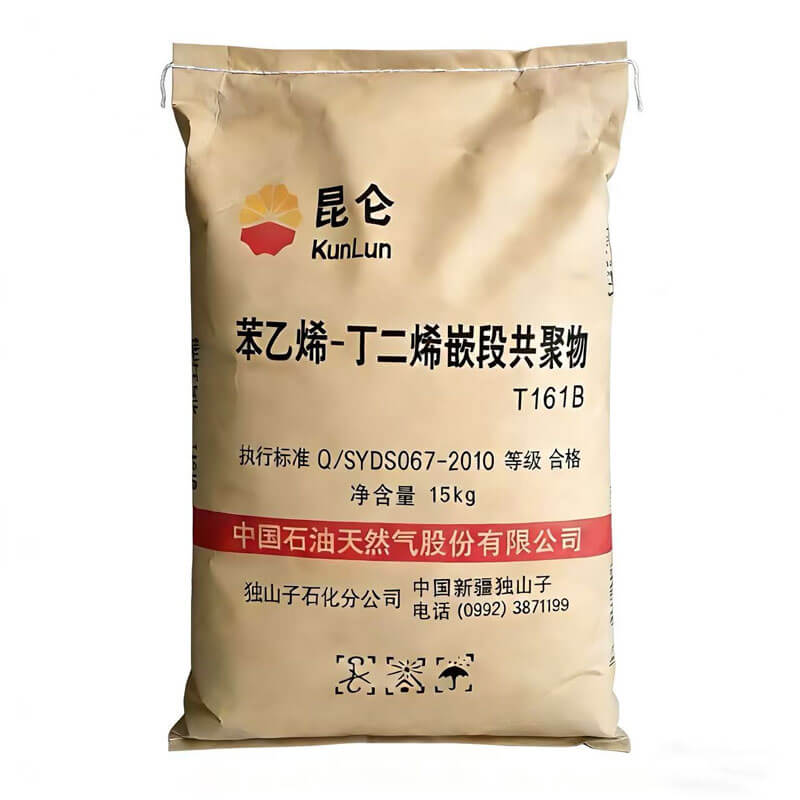
Styrene‑Butadiene‑Styrene Block Copolymer (SBS) T161B

    • Product Name: Styrene‑Butadiene‑Styrene Block Copolymer (SBS) T161B
    • Factroy Site: No. 6 Beijing Road, Dushanzi, Xinjiang
    • Price Inquiry: sales4@ascent-chem.com
    • Manufacturer: PetroChina Dushanzi Petrochemical Company
    • CONTACT NOW
    Specifications
    HS Code 882910
    Product Styrene-Butadiene-Styrene Block Copolymer (SBS) T161B
    Structure Linear block copolymer
    Appearance White to light yellow granules
    Styrene Content 30 wt%
    Butadiene Content 70 wt%
    Density 0.94 g/cm³
    Melt Flow Rate 0.1-0.5 g/10min (190°C, 5kg)
    Tensile Strength ≥15 MPa
    Elongation At Break ≥600%
    300 Modulus ≥2.5 MPa
    Hardness 80 Shore A
    Volatile Content ≤0.5%
    Ash Content ≤0.2%
    Solution Viscosity 400-600 mPa·s (25°C in toluene)

    As an accredited Styrene‑Butadiene‑Styrene Block Copolymer (SBS) T161B factory, we enforce strict quality protocols—every batch undergoes rigorous testing to ensure consistent efficacy and safety standards.

    Packing & Storage
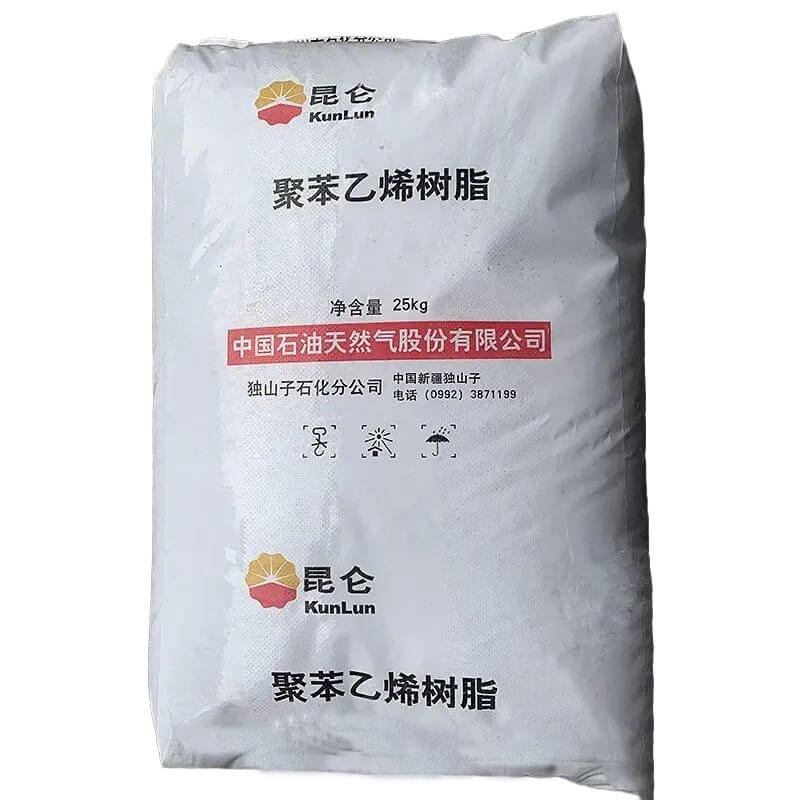
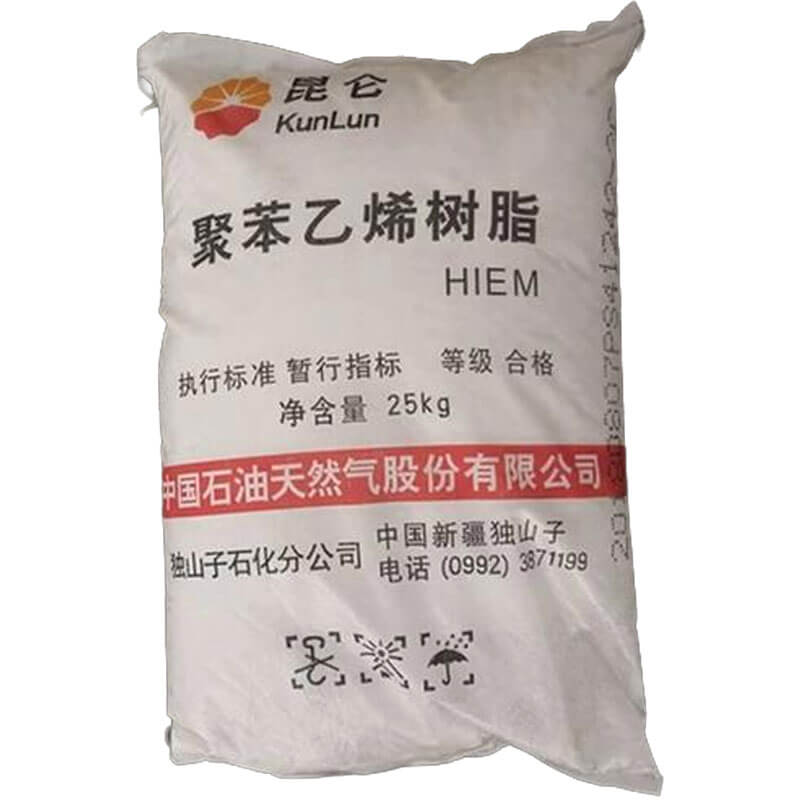
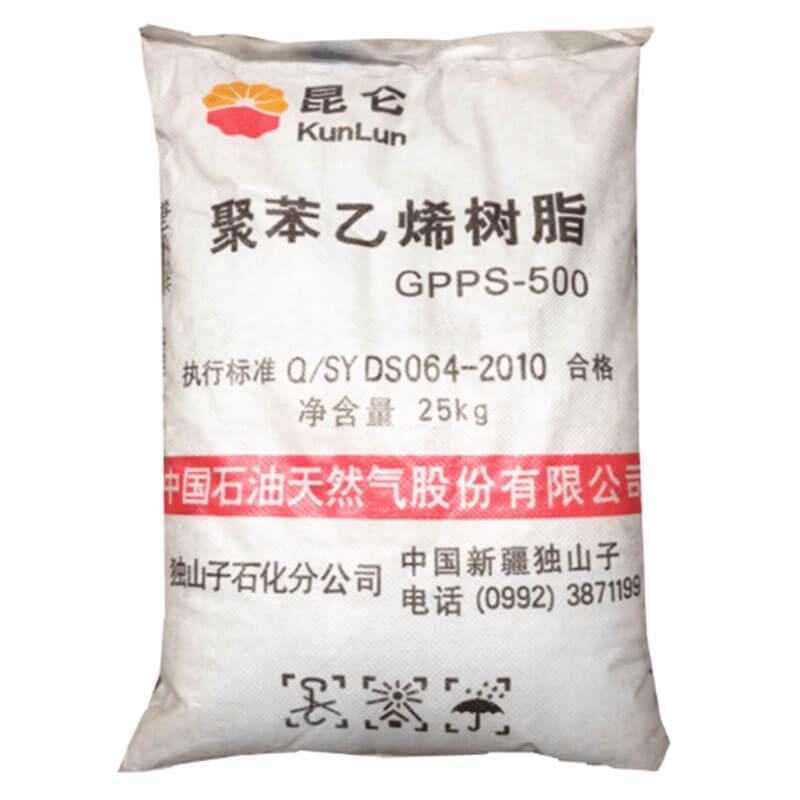
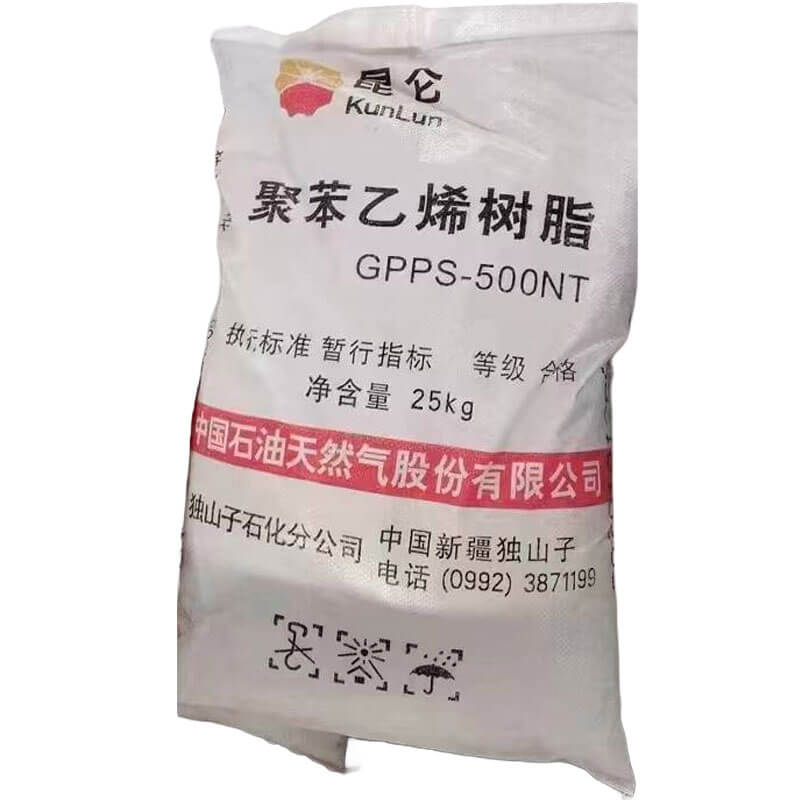
    Packing SBS T161B is packaged in 25 kg multi-wall paper bags with polyethylene liner, palletized and shrink-wrapped for safe transport.
    Container Loading (20′ FCL) 20′ FCL: palletized SBS T161B bags, securely lashed, protected from moisture, no contamination, proper ventilation, stable loading.
    Shipping SBS T161B is shipped as solid pellets in lined bags, bulk bags, or hopper trucks. Keep packaging dry, protected from moisture, direct sunlight, and excessive heat. Avoid sharp objects that could tear bags. No special hazardous transport classification is required under normal conditions.
    Storage Store SBS T161B in a cool, dry, well-ventilated area, away from direct sunlight, heat sources, and open flames. Keep the original container tightly sealed to prevent moisture absorption and contamination. Avoid contact with strong oxidizers. Maintain temperatures below 30°C (86°F). Under proper conditions, shelf life is typically one year from manufacture.
    Shelf Life Store in cool, dry place away from sunlight; shelf life is typically two years from date of manufacture.
    Application of Styrene‑Butadiene‑Styrene Block Copolymer (SBS) T161B

    Why does oil loading alter loop-tack decay in low-Tg SBS formulations?

    In hot-melt pressure-sensitive adhesive mixing, the star-branched SBS T161B is combined with a C5/C9 aliphatic-aromatic tackifier resin, a naphthenic or paraffinic processing oil, and a hindered phenolic antioxidant at a melt temperature of 155–170°C in a jacketed sigma-blade kneader or a co-rotating twin-screw extruder with an L/D ratio of 40:1. The compound typically contains 22–30 wt% SBS T161B, 45–55 wt% tackifier resin, 15–25 wt% oil, and 0.5–1.0 wt% antioxidant, with the exact ratio driven by the required balance between loop tack and room-temperature shear strength. Industry compliance for this application references FDA 21 CFR 175.105 when the final coated label or tape is intended for indirect food contact, and REACH (EC) No 1907/2006 for monomer and residual solvent content in the European Union. During continuous coating, the melt is fed through a gear pump into a slot die at 160–170°C and applied onto a silicone-coated release liner at a coating weight of 18–25 g/m², followed by a chill roll set at 12–15°C to freeze the rubbery phase before winding. The oil fraction influences the low-temperature damping behavior of the polybutadiene mid-block: below 15 wt% oil loading the compound exhibits insufficient wet-out on high-energy stainless steel substrates, while above 25 wt% oil the styrene domains become progressively plasticized, producing a measurable drop in room-temperature shear adhesion failure temperature measured according to PSTC-107. Loop-tack decay under accelerated ageing at 40°C and 50% RH is evaluated per PSTC-16; published data for this specific configuration is limited regarding the absolute decay rate, but industrial practice indicates that oil loadings above 25 wt% correlate with an increase in adhesive transfer to release liners after 4 weeks of storage. Finished goods from this compounding route include permanent and removable labelstock, carton-sealing tapes, double-sided foam tapes, and low-temperature mounting tapes.

    When SBS T161B is dispersed into penetration-grade bitumen at 4.5 wt%

    Dispersion of SBS T161B into penetration-grade bitumen is performed in a heated high-shear mixer equipped with a rotor-stator head that generates local shear rates of 3,000–5,000 s⁻¹ at a bitumen temperature of 175–185°C. The standard addition level is 3–6 wt% SBS T161B relative to bitumen mass, with 4.5–5.5 wt% specified for heavy-duty asphalt concrete and stone mastic asphalt wearing courses; optional sulfur crosslinking at 0.1–0.15 wt% relative to polymer is introduced only after the polymer reaches a dispersed particle size below 10 µm to stabilize the continuous polymer-rich network. Compliance with road-construction specifications is anchored to EN 14023:2010 for polymer-modified bitumen and AASHTO M320-23 for performance-graded binder selection; elastic recovery is tested according to ASTM D6084-21, and softening point is recorded per ASTM D5973-21. The production protocol uses a first-stage high-shear mixing period of 30–60 min to reach a stable dispersion, followed by a low-speed maturation step at 165–175°C for an additional 4–6 h under nitrogen blanketing to limit oxidative degradation of the butadiene segments. If the melt temperature exceeds 190°C, chain scission of the butadiene mid-block accelerates, and the resulting binder can fail the minimum elastic recovery value of 75% at 25°C per ASTM D6084-21; conversely, temperatures below 170°C yield aggregated particles larger than 20 µm that sediment during the 48 h storage stability test described in ASTM D7173-21. Finished terminals from this process include high-modulus asphalt wearing course mixtures, porous asphalt drainage layers, bridge deck surfacing, and airport runway overlay binders.

    Melt blending of a star-branched styrene-butadiene-styrene copolymer into isotactic polypropylene is typically executed on a co-rotating twin-screw extruder with an L/D ratio of 40:1, using a side feeder for the elastomer phase downstream of the PP melting zone to minimize thermal exposure of the butadiene block. The formulation ranges from 5–15 wt% SBS T161B in polypropylene impact copolymer, often complemented by 2–5 wt% of a maleic anhydride-grafted polypropylene as a compatibilizer in compositions requiring finer elastomer domain sizes. Compliance for consumer and automotive articles requires documentation against REACH (EC) No 1907/2006 Annex XVII entries for restricted substances and EU RoHS 2015/863 Annex II, while mechanical property validation follows ISO 527-2:2012 for tensile modulus and ISO 180:2019 for notched Izod impact strength. Barrel temperatures are profiled from 180°C in the feed section to 220°C at the die plate, with screw speeds of 250–350 rpm and a melt temperature kept below 230°C to avoid depolymerization of the polystyrene end-blocks; the compound is then injection-molded at 200–220°C into tools held at 40–60°C with an injection pressure of 60–90 MPa. The dispersed SBS phase increases low-temperature notched impact strength without linearly reducing flexural modulus when the domain size remains below 2 µm, a condition verified by transmission electron microscopy on cryo-sectioned specimens; coarser morphologies above 5 µm arise from insufficient compatibilization and produce delamination at weld lines in molded parts. Terminal products include automotive interior trim panels, appliance housings, storage containers, and industrial safety helmet shells.

    Solvent-borne construction sealant film formation and drying kinetics

    After dissolution in a mixed solvent system composed of 40–60 wt% toluene and 20–30 wt% methyl ethyl ketone with a balancing fraction of acetone, SBS T161B forms the film-forming elastomer in construction joint sealant compounds at a loading of 15–25 wt% on total formulation; the remainder comprises 10–15 wt% tackifier resin, 5–10 wt% plasticizer, and 20–40 wt% calcium carbonate filler ground in a closed high-shear disperser to a Hegman fineness of 4–6. Compliance for these sealants is governed by ASTM C920-18 for elastomeric joint sealant classification or EN 15651-1:2017 for facade and construction joint performance classes, while volatile organic compound emissions are restricted under EU Directive 2004/42/EC for solvent-borne products. Processing requires a moisture content below 0.05 wt% in the solvent blend to prevent gel bodies from forming through hydration of the styrenic aggregates; the mastic is discharged through a vacuum de-aeration step to eliminate entrained gas and packaged in aluminum cartridges or bulk cans. During application, the film forms by solvent evaporation rather than chemical crosslinking, with a skin time of 10–20 min at 23 ± 2°C and 50 ± 5% RH, and the compound reaches about 80% of its final cohesive strength after 72 h at 25°C. Solvent selection modifies the drying profile: a higher ketone fraction accelerates surface tack-free time but increases shrinkage at the joint interface if film thickness exceeds 3 mm, whereas a slower aromatic hydrocarbon blend yields more uniform through-thickness drying at the expense of longer handling time. The cured films are applied as construction and expansion joint sealants in concrete floors, aluminum window glazing seals, and metal roof lap joints.

    Torch-applied reinforced bituminous membranes require an SBS-modified bitumen compound that retains a cold bending radius without cracking at -20°C after accelerated ageing; SBS T161B is mixed into oxidized bitumen at 8–12 wt% relative to bitumen mass, together with 15–25 wt% mineral filler and 2–5 wt% process oil, in a low-speed high-viscosity blade mixer at 160–175°C until the mixture passes an elongated fiber-free film test. Compliance is established under EN 13707:2004+A2:2009 for flexible sheets for waterproofing and ASTM D6162/D6163-22 for SBS-modified bituminous sheet materials with polyester or glass-fiber reinforcement respectively; low-temperature flexibility is measured according to ASTM D5147-18, and flow resistance at elevated temperature is checked under the flow resistance provisions of EN 13707:2004+A2:2009. The saturated nonwoven polyester mat, typically 150–250 g/m², passes through a calender bath where the SBS-bitumen mastic is forced into the free volume of the fiber matrix under roll pressure; granulated mineral or sand surfacing is applied on the upper face while the compound remains above 120°C, and the sheet is then water-cooled to below 40°C before winding. During torch application on site, the embossed lower surface is melted with a propane torch until the binder flows into the substrate, and the overlap seams are fused under a hot-air welder at 200–220°C air temperature. The finished products include torch-applied roofing membranes for flat roofs, basement wall damp-proofing layers, and self-adhered plaza deck waterproofing sheets.

    What limits EVA co-polyolefin foam expansion at elevated SBS loadings?

    Expansion of EVA-based foam containing SBS T161B follows the decomposition kinetics of azodicarbonamide in a two-roll mill compound based on ethylene-vinyl acetate copolymer with 18–28 wt% vinyl acetate, SBS T161B at 10–25 phr, 2–4 phr azodicarbonamide, 1–3 phr zinc oxide, 0.6–1.2 phr dicumyl peroxide, and 0.5–1 phr stearic acid. Compliance for footwear articles manufactured in the European Union is documented against REACH (EC) No 1907/2006 Annex XVII for restricted azo compounds and decomposition products, while physical property acceptance is evaluated by ISO 17707:2005 for flexing resistance of soles and ISO 20875:2018 for apparent density. Mixing is conducted on an open two-roll mill at 100–110°C to prevent premature crosslinking; the compounded sheet is then shaped in a compression mold at 160–170°C under 15 MPa for 8–12 min, during which the dicumyl peroxide decomposes and the blowing agent generates a closed-cell foam with an expansion ratio of 1.5–1.8. Above 25 phr SBS loading, the viscosity gap between the EVA matrix and the SBS elastomer phase widens, causing cell wall rupture during decompression and an increase in irreversible shrinkage after 24 h at ambient temperature; the degree of shrinkage is assessed geometrically and reported as a percentage change from mold dimensions, with values above 5% typically triggering rejection in sole manufacturing. Lower SBS loadings below 10 phr provide insufficient elastomeric resilience and the foam exhibits cracking when flexed at -10°C per ISO 17707:2005. Finished foam parts include unit soles for casual footwear, slipper midsoles, and EVA foam sheets for die-cut insoles.

    Formulations based on SBS T161B with paraffinic oil and polypropylene are first compounded as free-flowing pellets via an underwater pelletizer fed by a 65 mm counter-rotating twin-screw extruder. The pellet compound contains 35–50 wt% SBS T161B, 25–35 wt% paraffinic oil, 15–25 wt% polypropylene homopolymer, 0.3–0.8 wt% hindered phenolic antioxidant, and up to 10 wt% talc as a surface-roughness modifier. Compliance for electrical and electronic enclosures or consumer articles is maintained through EU RoHS 2015/863 Annex II substance restrictions and REACH (EC) No 1907/2006 registration for imported articles containing >0.1 wt% SVHC; thermoplastic elastomer nomenclature and hardness documentation follow ISO 18064:2022 and ASTM D2240-15 respectively. Injection molding of the TPS compound is performed on a reciprocating-screw machine with barrel zones from 180°C at the rear to 200°C at the nozzle, mold temperature 25–40°C, injection pressure 70–110 MPa, holding pressure 50–70 MPa, and cooling time of 12–20 s depending on wall thickness up to 4 mm. The paraffinic oil migrates preferentially into the butadiene phase and reduces the Shore A hardness from around 85 A at 35 wt% SBS to around 60 A at 50 wt% SBS; published data for this specific configuration is limited regarding the exact compression set after 70 h at 70°C per ASTM D395-18, but industrial programs commonly target values below 35% for sealing applications. Finished goods include soft-touch tool handles, automotive floor mats, appliance feet, and cable management clamps.

    Creep resistance thresholds emerge in bituminous anti-corrosion tapes

    Bituminous anti-corrosion tapes rely on a mastic layer whose creep compliance at 50°C must remain below the threshold that causes edge squeeze-out from overlapping wraps on buried steel pipelines; SBS T161B is introduced into an oxidized bitumen base at 8–15 wt% based on mastic mass, together with 25–30 wt% mineral filler, 5–10 wt% tackifier, and 0.5–1.0 wt% antioxidant. The mastic compound is produced in a co-rotating twin-screw extruder at barrel temperatures between 150°C and 180°C, with the screw speed adjusted to 200–300 rpm to achieve a homogeneous dispersion of the SBS phase without exceeding a melt temperature of 185°C, above which the oxidized bitumen exudes low-molecular-weight fractions and causes mastic bleed through the backing cloth. Compliance with pipeline coating standards is demonstrated through EN 12068:2014 for corrosion protection of steel by tapes and ISO 21809-3:2016 for field joint coatings; peel adhesion to steel is evaluated per ASTM D1000-17 at 23°C, and the resistance to cathodic disbondment is tested according to ASTM G8-96(2019). Coating is performed by calendering the hot mastic onto a 0.5 mm polyethylene backing film at a thickness of 1.0–1.5 mm, followed by a cooling drum that reduces the surface temperature to below 40°C before interleaving with release liner and reeling. At ambient temperature the mastic remains permanently tacky but does not flow under gravitational load up to 50°C when tested as a 25 mm wide vertical lap shear specimen for 24 h; formulations with less than 8 wt% SBS T161B develop cold flow at 40°C, while those above 15 wt% lose adhesion to the polyethylene backing during unrolling. Finished products are supplied as spiral-wrapped anti-corrosion tapes for pipeline field joints, flange protection, and underground conduit sleeves.

    Related Articles
    Free Quote

    Competitive Styrene‑Butadiene‑Styrene Block Copolymer (SBS) T161B prices that fit your budget—flexible terms and customized quotes for every order.

    For samples, pricing, or more information, please contact us at +8618136850665 or mail to sales4@ascent-chem.com.

    We will respond to you as soon as possible.

    Tel: +8618136850665

    Email: sales4@ascent-chem.com

    Inquiry

    Get Free Quote of PetroChina Dushanzi Petrochemical Company

    Flexible payment, competitive price, premium service - Inquire now!

    Certification & Compliance
    More Introduction

    Styrene-Butadiene-Styrene Block Copolymer (SBS) T161B is a linear triblock thermoplastic elastomer with polystyrene end blocks and a polybutadiene midblock. The product is supplied as free-flowing pellets without extender oil, and its nominal bound styrene content is 30 wt% when measured by infrared spectroscopy following ISO 21561. Compression-molded test specimens prepared at 150°C for 5 min exhibit a tensile strength at break of 20 MPa, elongation at break of 700%, 300% modulus of 2.5 MPa, and durometer hardness of 70 Shore A under ASTM D638 and ASTM D2240. The melt flow index is 5.0 g/10 min at 190°C and 5 kg per ASTM D1238. The molecular architecture generates two glass transition temperatures: the polystyrene endblock Tg near 95°C and the polybutadiene midblock Tg near -85°C by differential scanning calorimetry per ISO 11357-2 at 10°C/min under nitrogen. The unsaturated midblock controls processing, adhesion, and weathering behavior.

    Typical Supplier-Reported Properties of SBS T161B
    PropertyTest MethodTypical Value
    Bound styreneISO 2156130 wt%
    Melt flow indexASTM D1238 at 190°C/5 kg5.0 g/10 min
    HardnessASTM D224070 Shore A
    Tensile strength at breakASTM D63820 MPa
    Elongation at breakASTM D638700%
    Modulus at 300% elongationASTM D6382.5 MPa
    Specific gravityASTM D7920.94
    Polystyrene endblock glass transitionISO 11357-2≈95°C
    Polybutadiene midblock glass transitionISO 11357-2≈-85°C

    Process Window, Shear Heating, and Extruder Limitations

    On production-scale co-rotating twin-screw extruders with 25:1 to 36:1 L/D ratio, T161B is typically compounded using a feed-zone temperature of 150°C, mid-barrel set points from 170°C to 190°C, and die temperature of 190°C. Screw speeds of 250–400 rpm and melt pressures of 3–8 MPa are common. The critical processing boundary is localized shear heating in downstream mixing elements: when melt temperature exceeds 210°C, chain scission and crosslinking of the unsaturated polybutadiene midblock produce gel particles and black specks rather than a uniform melt-flow-index shift. This failure mode has been observed on batch-to-batch runs when reverse kneading blocks are positioned too late in the screw or when screw speed is raised above 400 rpm without lowering barrel temperature. Practical set-point control of ±5°C is required on machinery with high-shear zones. Pellets should be pre-dried at 80°C for 2 h when ambient relative humidity exceeds 60%. Vacuum devolatilization at -0.08 MPa is required after side-feed zones to remove moisture and volatile low-molecular-weight fractions.

    The thermal decomposition of the unsaturated midblock is the primary process conflict in melt compounding. At melt temperatures above 210°C, the polybutadiene segment undergoes free-radical chain scission and crosslinking; the resulting gel fraction can be detected as an insoluble fraction in toluene after 24 h Soxhlet extraction. Stabilizer packages containing a primary phenolic antioxidant at 0.1–0.5 phr and a secondary phosphite antioxidant at 0.1–0.3 phr are recommended in compounds with high surface-to-volume ratio or regrind content above 20 wt%. Oxidation induction time measured by differential scanning calorimetry per ISO 11357-6 under oxygen should be used to confirm stabilizer efficiency before production. Batch-to-batch variance in catalyst residues and diblock content can shift the onset temperature of oxidation by 5–10°C; therefore, incoming lot qualification should include melt-flow-index measurement and oxidation induction time analysis.

    For polymer-modified asphalt, 4–6 wt% of T161B is added to penetration-grade bitumen at 180–190°C and milled in a rotor-stator high-shear unit at 3000–5000 rpm for 60–90 min. Phase inversion is normally indicated by a torque change and a smooth, glossy binder surface. Binder properties are measured by ring-and-ball softening point per ASTM D36, elastic recovery per ASTM D6084, and storage stability per EN 13399. Performance grading may be conducted under AASHTO M332. Published data for T161B in polymer-modified asphalt are limited; performance depends on the bitumen source and should be confirmed by laboratory and plant trials. Because T161B has a linear architecture, its high-temperature mixing viscosity is lower than that of radial SBS grades at the same styrene content, but the prepared binder requires low-shear agitation during storage to reduce polymer separation.

    What Distinguishes T161B from Oil-Extended and Radial SBS Grades?

    T161B is differentiated by a linear triblock structure, no extender oil, and a styrene content of 30 wt%. Oil-extended linear SBS grades containing 33–50 phr paraffinic or naphthenic oil exhibit lower hardness and lower tensile strength but higher melt flow. Radial SBS grades with higher coupling efficiency display stronger elastic recovery in bitumen and higher high-temperature viscosity. In injection-molded goods, T161B exhibits lower compound viscosity than radial grades at equivalent hardness, which reduces fill pressure but also lowers high-temperature creep resistance unless polystyrene or hydrocarbon resin is added. Compared with SEBS, the polybutadiene midblock is unsaturated, so ultraviolet and ozone stabilizers are required for clear or outdoor compounds. The absence of extender oil reduces oil migration into adjacent polyolefin skins; however, published migration data for T161B-specific compounds are limited and should be obtained by laboratory extraction or contact-staining tests before commercial use.

    Hot-melt pressure-sensitive adhesive formulations based on T161B commonly use C5 or C9 hydrocarbon tackifiers at 80–140 phr and naphthenic oil at 0–30 phr. Mixing is conducted in a sigma-blade kneader or co-rotating twin-screw extruder at 160–180°C under nitrogen to limit oxidation. Loop tack and 180° peel adhesion on stainless steel are measured per ASTM D6195 and ASTM D3330, while shear adhesion failure temperature is measured by ASTM D4498. Published direct data for T161B in pressure-sensitive adhesives are limited, and formulation optimization is required because the diblock content and molecular weight distribution of the grade influence adhesive cohesion. C5 resins with low aromaticity improve compatibility with the polybutadiene midblock, whereas higher-softening-point C9 resins reinforce the styrenic end-block domains and raise temperature resistance.

    When T161B Is Used in Footwear and Thermoplastic Elastomer Compounds

    Compounds based on T161B with polystyrene at 10–30 phr, calcium carbonate at 10–40 phr, and naphthenic oil at 0–35 phr are injection-molded at barrel temperatures of 170–190°C and mold temperatures of 25–40°C. Starting cavity pressure of 30–50 MPa is used for thin-wall soles; clamp force is calculated from projected area and maximum injection pressure. T161B provides higher hardness and tensile strength at a given oil loading than oil-extended SBS grades, and the linear structure allows ejection from undercuts below 0.5 mm. Batch-to-batch variation in diblock content should be monitored because diblock concentrations above 12 wt% reduce tensile return and increase room-temperature compression set. Compression set measured by ASTM D395 at 70°C for 22 h is typically below 25% for oil-free compounds but rises with added plasticizer.

    As an impact modifier or soft-touch additive, T161B is compounded into polystyrene or polyolefins at 5–20 wt%. Notched Izod impact strength per ISO 180 improves relative to unmodified polystyrene, while flexural modulus per ISO 178 decreases with increasing T161B content. Dispersion quality is influenced by screw profile and viscosity ratio; incompatible polyolefin matrices may require a compatibilizer such as SEBS or polypropylene-graft-maleic anhydride at 3–7 wt%. Published data for T161B in polyolefin modification are limited, and the selection of processing aids should be confirmed by twin-screw compounding trials followed by morphological analysis.

    Storage and stabilization boundaries must be observed for T161B. Pellets should be stored at or below 40°C, protected from ultraviolet light and strong oxidizers, with a typical shelf life of 24 months from certification date when the package remains sealed and relative humidity is below 60%. Outdoor or clear compounds require hindered phenolic antioxidants plus ultraviolet stabilizers because the polybutadiene midblock is unsaturated. Continuous service above 100°C is not recommended because the polystyrene endblock domains begin to soften near their 95°C glass transition temperature. Regulatory compliance is use-specific: EU REACH registration obligations apply per Regulation (EC) No 1907/2006; food-contact use requires evaluation under FDA 21 CFR 177.1810 or EU Regulation (EC) No 10/2011; RoHS compliance under Directive 2011/65/EU should be confirmed by supplier certificate.