Styrene‑Butadiene‑Styrene Block Copolymer (SBS) T171E

    • Product Name: Styrene‑Butadiene‑Styrene Block Copolymer (SBS) T171E
    • Factroy Site: No. 6 Beijing Road, Dushanzi, Xinjiang
    • Price Inquiry: sales4@ascent-chem.com
    • Manufacturer: PetroChina Dushanzi Petrochemical Company
    • CONTACT NOW
    Specifications
    HS Code 303299
    Product Name Styrene-Butadiene-Styrene Block Copolymer (SBS) T171E
    Appearance White or light-colored free-flowing pellets
    Structure Linear block copolymer
    Styrene Content 30-31 wt%
    Specific Gravity 0.94 g/cm³
    Melt Flow Rate 200 C 5 Kg 3-6 g/10 min
    Tensile Strength ≥15 MPa
    Elongation At Break ≥700%
    300 Modulus ≥2.0 MPa
    Hardness Shore A 75-80
    Ash Content ≤0.3 wt%
    Volatile Content ≤0.5 wt%
    Solution Viscosity 25 C 25 Wt Toluene 500-2000 mPa·s

    As an accredited Styrene‑Butadiene‑Styrene Block Copolymer (SBS) T171E factory, we enforce strict quality protocols—every batch undergoes rigorous testing to ensure consistent efficacy and safety standards.

    Packing & Storage
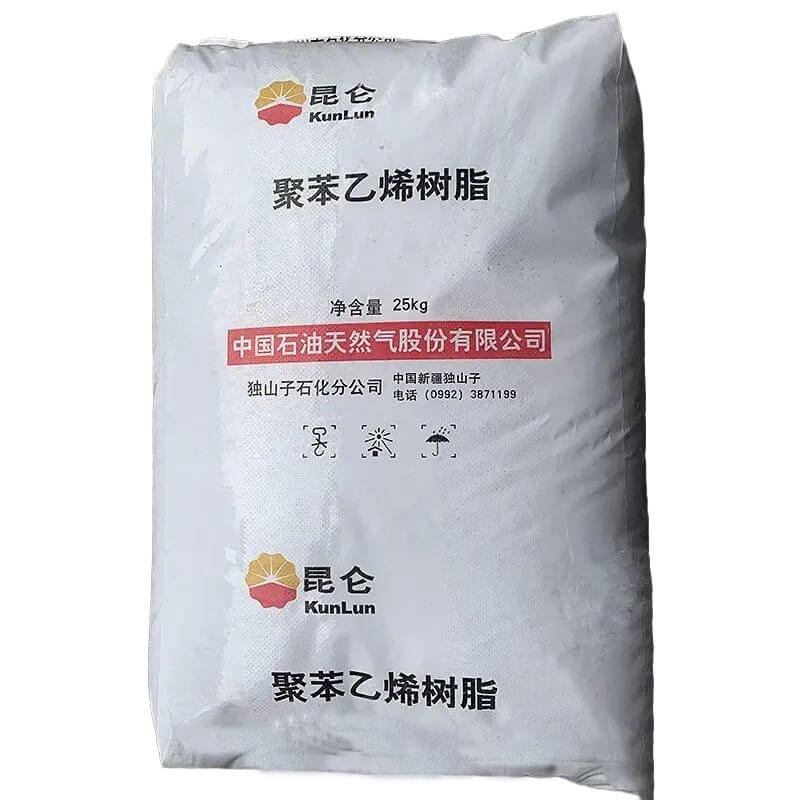
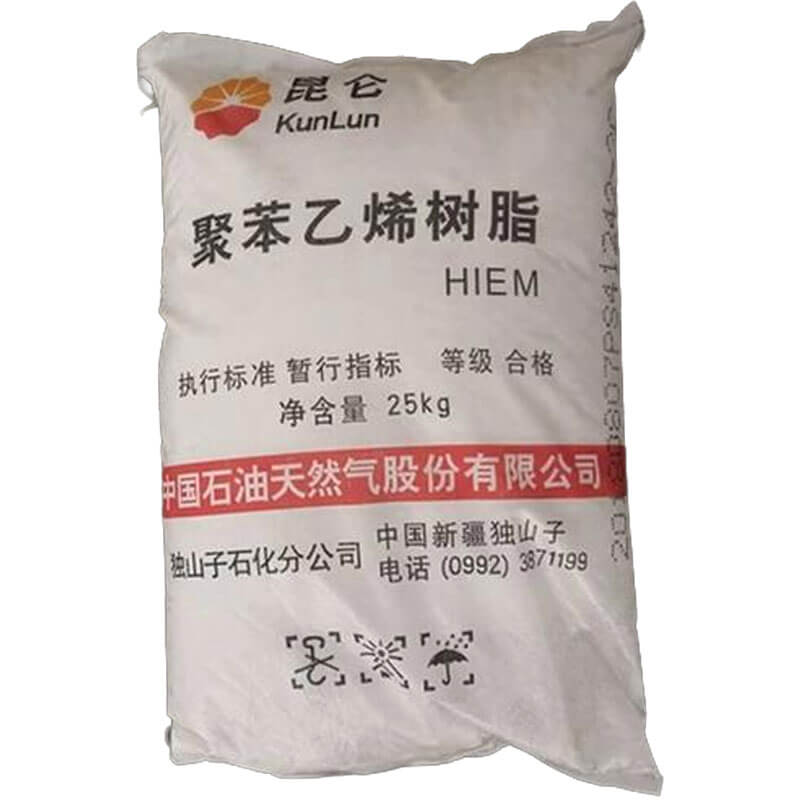
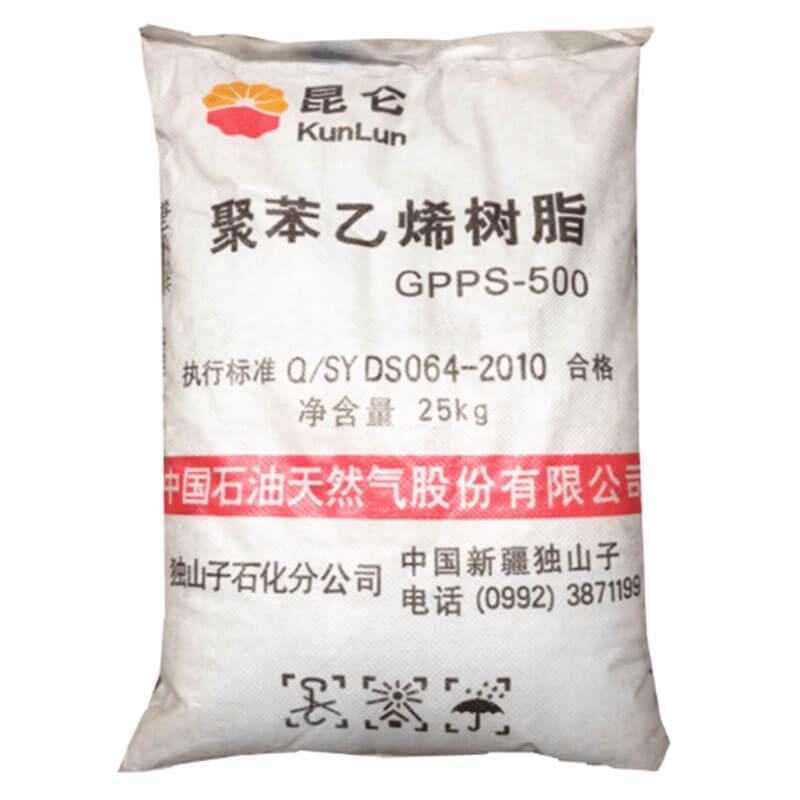
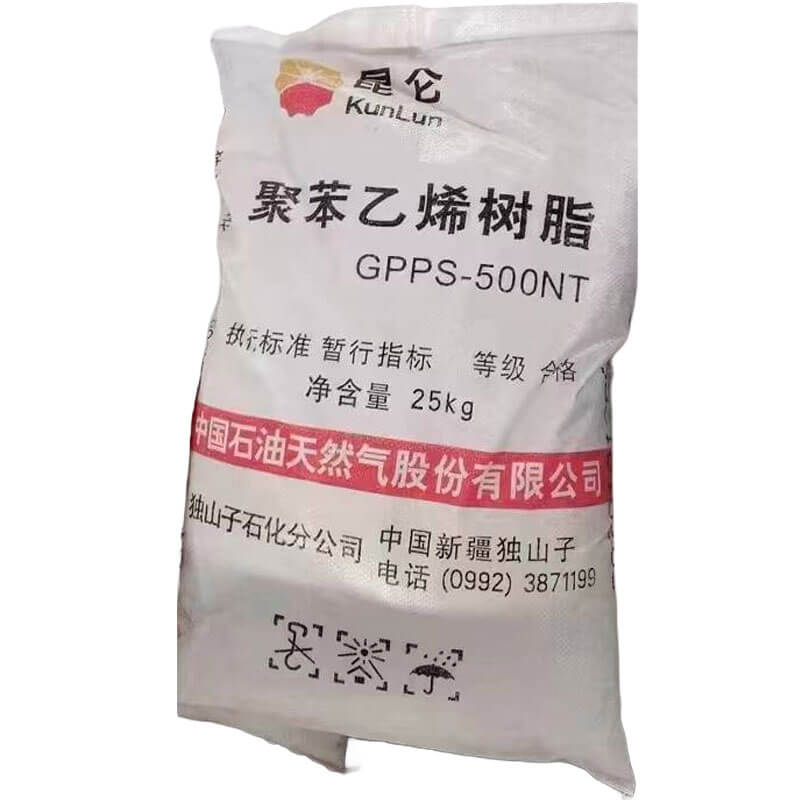
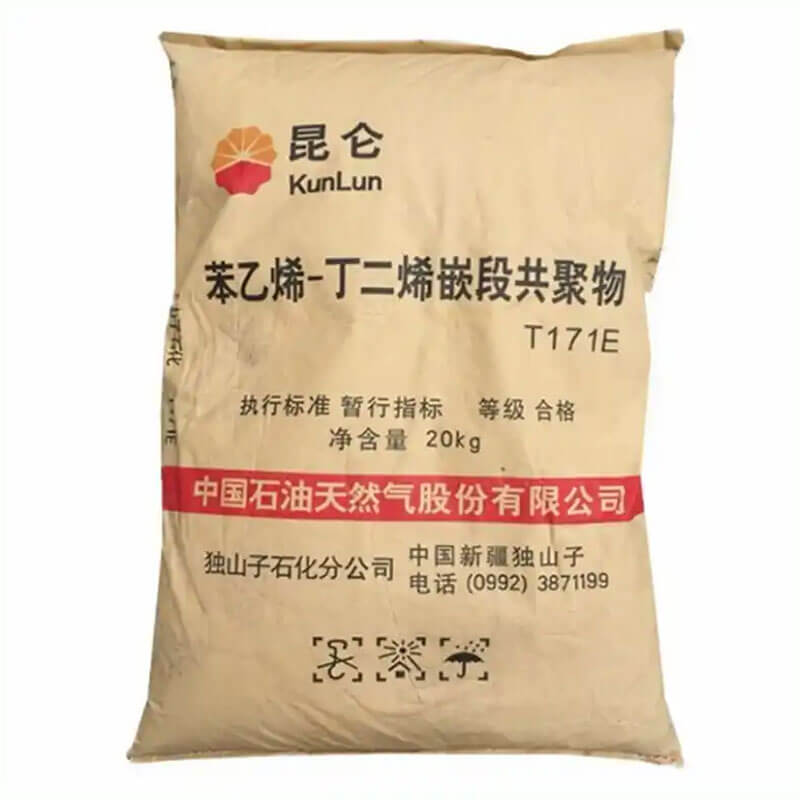
    Packing SBS T171E is packaged in 25 kg polyethylene-lined kraft paper bags, palletized and shrink-wrapped for safe transport.
    Container Loading (20′ FCL) 20′ FCL: SBS T171E packed in 25 kg bags on pallets, shrink-wrapped, securely loaded and braced for safe transit.
    Shipping Styrene-Butadiene-Styrene (SBS) T171E ships as solid porous pellets in lined bags, boxes, or bulk containers. Protect from moisture, direct sunlight, and high temperatures to prevent agglomeration. Not classified as hazardous under standard regulations, but use clean, dry equipment and avoid dust accumulation. Keep upright and handle with care.
    Storage Store Styrene‑Butadiene‑Styrene Block Copolymer T171E in a cool, dry, well‑ventilated area, away from direct sunlight, heat sources, and ignition. Keep containers tightly sealed to prevent moisture absorption and contamination. Avoid prolonged storage at high temperatures to prevent softening or blocking. Use within the recommended shelf life to maintain product performance.
    Shelf Life Store in original packaging, away from heat and moisture; shelf life is typically 2 years from manufacture date.
    Application of Styrene‑Butadiene‑Styrene Block Copolymer (SBS) T171E

    When a paving-grade bitumen with a penetration range of 60/70 or 80/100 is modified with linear SBS T171E, the binder’s upper continuous grading limit may move from approximately 64 °C to 76 °C under dynamic shear rheometer testing according to ASTM D7175-15, but the transition is not a simple dissolution. Plant-scale records from inline rotor-stator mixers operating at 3,000–4,500 rpm and batch temperatures of 180–190 °C indicate that a dosing window of 3.5–5.0 wt% based on neat bitumen is required to develop a continuous polymer-rich phase; below this loading, the swollen SBS domains remain as discrete islands and the modified binder separates during static storage at 160 °C. The industrial production route starts with preheating the base bitumen to 160–170 °C in a 20–30 m³ agitated tank, followed by dosed addition of T171E pellets through a screw feeder or jet eductor to prevent agglomeration, then high-shear dispersion for 60–90 minutes at 180–190 °C. The dispersed concentrate is transferred to a maturation tank held at 160–170 °C for 2–4 hours; where storage-stable grades are required, a controlled crosslinking step with elemental sulfur at 0.1–0.2 wt% is applied to suppress phase separation without raising elastic recovery beyond specification limits. Compliance testing for the resulting polymer-modified bitumen falls under EN 14023:2010, ASTM D5976-22, and AASHTO M 332-20; low-temperature stiffness is measured by bending beam rheometer per ASTM D6648-08 or EN 14771:2012, and short-term ageing is simulated by rolling thin film oven test per EN 12607-1:2014. Terminal product types include heavy-duty highway wearing courses, stress-absorbing membrane interlayers, PG-graded binders for airport pavements, and polymer-modified bitumen emulsions for surface dressing, with the emulsion route requiring an additional acid-neutralization and colloid mill stage after SBS modification. The upper processing limit is critical: sustained temperatures above 200 °C initiate polybutadiene midblock scission that becomes visible as a reduction in elastic recovery under ASTM D6084-21, so direct-fired heating systems with localized wall temperatures above 220 °C are incompatible with this grade.

    What Do Shore Hardness, Abrasion Loss, and Injection-Pressure Measurements Reveal About T171E in Footwear Compounds?

    Published compounding data for linear SBS footwear grades show that T171E is typically incorporated at 15–25 phr in compounds containing 35–45 phr general-purpose polystyrene, 20–30 phr naphthenic process oil, and 15–25 phr calcium carbonate, with antioxidant/stabilizer at 0.2–0.5 phr to protect the midblock during high-shear mixing. The batch is mixed in a Banbury internal mixer with a 55 L chamber, fill factor 0.75–0.80, ram pressure 0.5–0.6 MPa, and drop temperature 140–155 °C; the batch is then sheeted on a two-roll mill at 120–130 °C and pelletized for injection moulding. Reciprocating-screw injection moulding machines with clamp forces between 1,500 kN and 3,000 kN are used for multi-cavity sole tooling, with melt temperature 170–190 °C, mould temperature 25–40 °C, and injection pressure 60–90 MPa. The relevant test method designations are ISO 868:2003 for Shore A hardness, ISO 4649:2017 for abrasion volume loss, ISO 815-1:2019 for compression set, ASTM D412-16 for tensile properties, and ISO 20344:2021 for whole-shoe sole adhesion and flexing; chemical compliance is assessed against REACH Annex XVII restrictions on polycyclic aromatic hydrocarbons and dimethylformamide. The terminal product types are slipper outsoles, casual shoe unit soles, and lightweight sandal midsoles with Shore A hardness in the 45–65 range and abrasion loss below 250 mm³. The melt temperature must not exceed 200 °C; above this threshold the polybutadiene midblock undergoes chain scission, and moisture carried by un-dried calcium carbonate tends to produce silver streaking on moulded surfaces, so filler pre-drying at 90–105 °C for 3 hours is applied before Banbury charging.

    In solvent-borne pressure-sensitive adhesive compounding, the use of T171E as the base polymer alters the peel–shear–temperature balance relative to natural rubber or high-diblock SIS because the styrene endblocks function as heat-reversible physical crosslinks that resist cold flow while remaining shear-sensitive in high-speed coating. The adhesive formulation typically contains T171E at 15–25 wt% of total solids, tackifying resin at 40–60 phr, plasticizer at 5–15 phr, and hindered phenolic antioxidant at 0.5–1.0 phr; the resin system is usually biased toward C5 aliphatic and hydrogenated rosin ester types, because highly aromatic C9 resins overplasticize the styrene endblock domains and reduce cohesive strength. Manufacturing starts with swelling T171E in a solvent blend composed of toluene, ethyl acetate, and cyclohexane to a solids content of 35–45%, followed by mixing in a planetary or sigma-blade mixer under nitrogen blanketing to limit oxidative discoloration. The coating line applies the adhesive through a slot-die or comma coater onto 25–50 µm corona-treated BOPP or PET film, with drying tunnels operated at 80–100 °C and solvent-recovery systems rated for the toluene/ethyl acetate mixture. The relevant test methods include ASTM D3330/D3330M-04 for peel adhesion, ASTM D3654/D3654M-06 for loop tack, ASTM D903-98 for peel or stripping strength, and ISO 11339:2010 for T-peel of flexible-to-flexible assemblies; indirect food-contact suitability is assessed under 21 CFR 175.125 and EU migration limits under Regulation (EU) No 10/2011 where applicable, with full chemical inventory screening under REACH. Terminal product types are carton-sealing tapes, masking tapes, label stocks, and film-splicing tapes that require roll unwind force consistent with automated packaging lines. Ketone-dominant solvent systems are not recommended as the primary solvent because they delay complete dissolution of the styrene blocks and produce high-viscosity, non-Newtonian fluids that can clog slot-die manifolds.

    Impact Modification of General-Purpose Polystyrene Compounds by Melt-Dispersed T171E

    Compounding of T171E into general-purpose polystyrene and styrenic resin blends is performed on co-rotating twin-screw extruders with an L/D ratio of 40:1 to generate the dispersive mixing needed for rubber-phase formation; the addition window is 5–15 wt% of the compound, with the polymer fed through a side feeder after the polystyrene melt reaches 200–220 °C. The barrel profile is typically set from 190 °C near the feed throat to 220 °C at the vacuum devolatilization zone, with screw speeds of 300–600 rpm and atmospheric plus vacuum venting to remove residual moisture and volatile styrenic oligomers. Downstream injection moulding is carried out at melt temperatures of 210–230 °C with mould temperatures of 40–60 °C; the resulting moulded parts are tested for notched Izod impact by ISO 180:2019, flexural modulus by ISO 178:2010, and tensile properties by ASTM D638-14, while flammability classification under UL 94 is supplier-specified. Electrical and electronic applications require compliance with Directive 2011/65/EU (RoHS) and REACH SVHC screening; food-contact applications fall outside the intended use of this grade unless a specific migration limit study is executed. Terminal product types include office automation housings, appliance motor housings, and low-cost consumer durables where the balance of impact strength and stiffness is more critical than continuous service temperature. Published comparative Izod data for T171E in every filled and unfilled polystyrene formulation is limited, so the quoted addition window is a compounding starting envelope rather than a certified performance guarantee; instrumented impact testing in each final mould design should determine the ductile-brittle transition.

    Membrane manufacture differs from paving-grade bitumen modification in that T171E dosage is deliberately raised to form an elastic compound capable of being calendered onto nonwoven polyester reinforcement without strike-through. The compound typically contains T171E at 8–12 wt% of the total formulation, oxidized bitumen and a polymer-compatible flux, calcium carbonate filler at 20–30 wt%, and antioxidant/UV stabilizer packages; mixing is conducted in a 10–15 t vertical high-shear mixer at 180–200 °C for 2–3 hours under low-speed agitation to avoid polymer degradation. The fully dispersed melt is transferred to a three-roll calender, where the gap is set to produce finished sheet thicknesses between 3 mm and 5 mm onto polyester reinforcement of 150–180 g/m², followed by application of a thermoplastic release film and water-cooled winding. The membrane is tested under EN 13707:2004+A2:2009 and ASTM D6164-21; low-temperature flexibility is determined by EN 1109:2013, tensile properties by EN 12311-1:2010, and puncture resistance by EN 12730:2016, with EU market compliance under REACH. Terminal product types include torch-applied SBS modified bitumen roof membranes, bridge deck waterproofing layers, and tunnel lining sheets. Filler loadings above 30 wt% or bitumen dilution that pushes the SBS-to-bitumen ratio below 1:10 prevent formation of the continuous polymer network and lower crack bridging at service temperatures below -20 °C, so these boundaries are treated as hard formulation limits.

    Free Quote

    Competitive Styrene‑Butadiene‑Styrene Block Copolymer (SBS) T171E prices that fit your budget—flexible terms and customized quotes for every order.

    For samples, pricing, or more information, please contact us at +8618136850665 or mail to sales4@ascent-chem.com.

    We will respond to you as soon as possible.

    Tel: +8618136850665

    Email: sales4@ascent-chem.com

    Inquiry

    Get Free Quote of PetroChina Dushanzi Petrochemical Company

    Flexible payment, competitive price, premium service - Inquire now!

    Certification & Compliance
    More Introduction

    Styrene-butadiene-styrene block copolymer grade T171E is a linear triblock thermoplastic elastomer composed of polystyrene terminal blocks and a polybutadiene midblock. The material is supplied as white to off-white porous pellets or crumb and is not oil-extended. Its CAS registry number is 9003-55-8. Anionic polymerisation produces the block sequence and constrains molecular weight distribution relative to emulsion styrene-butadiene rubbers. The nominal bound styrene content is 30–32 wt% when tested by ISO 2453:2020, which places T171E in the medium-styrene SBS class. The polystyrene end blocks form physical crosslinks at service temperatures, while the polybutadiene midblock contributes elastomeric recovery and low-temperature flexibility. The typical density is 0.94–0.96 g/cm³ under ISO 2781:2018. Melt flow rate is measured under a 5.00 kg load at 200°C by ISO 1133-1:2022; commercial certificates commonly list values between 0.1 g/10 min and 2.0 g/10 min. Because T171E is supplied without extender oil, formulators must add process oil separately to reduce hardness or viscosity. The product is used in bitumen modification, solventborne adhesives, hot-melt adhesives, footwear compounds, waterproofing membranes, and as an impact modifier for polyolefin recyclates.

    At service temperatures below the polystyrene glass transition temperature, the styrene end blocks aggregate into discrete glassy domains. The polybutadiene midblock forms a continuous elastomeric phase. The midblock glass transition temperature is approximately −85°C, while the polystyrene end-block glass transition appears near 95°C by differential scanning calorimetry at 10 K/min heating rate under ISO 11357-2:2020. The phase-separated morphology is responsible for thermoplastic character: at melt temperatures above 100°C, the styrene domains soften and the material flows; upon cooling, the glassy domains re-form and restore elastomeric strength. For T171E, the medium bound styrene content of 30–32 wt% balances tensile strength against low-temperature flexibility, but the exact domain spacing is influenced by thermal history and solvent-casting conditions.

    What Specification Limits Govern T171E Tensile and Hardness Across Commercial Lots?

    Compression-moulded sheets for physical testing are prepared according to ISO 23529:2021 or ASTM D3182-21a. Tensile properties are determined at 23°C using ASTM D638-14, with Type IV specimens cut from 2 mm sheets. Hardness is reported as Shore A after 15 s using ASTM D2240-15e1. The 300% modulus is a quality-control parameter that tracks physical crosslink density; lower residual diblock content raises the 300% modulus at fixed bound styrene content. Table 1 lists representative specification limits compiled from public technical data. Lot-release values should be verified against the current certificate of analysis because regional grades may report narrower internal controls.

    Table 1. Representative property profile for SBS T171E
    PropertyTest methodTypical specification or rangeUnit
    Bound styrene contentISO 2453:202030.0–32.0wt%
    Volatile matterASTM D5668-21≤ 0.7%
    Ash contentASTM D5667-21≤ 0.2%
    Melt flow rateISO 1133-1:2022 (200°C, 5.00 kg)0.1–2.0g/10 min
    Tensile strengthASTM D638-14≥ 16.0MPa
    Elongation at breakASTM D638-14≥ 700%
    300% modulusASTM D638-14≥ 2.0MPa
    HardnessASTM D2240-15e170–80Shore A
    DensityISO 2781:20180.94–0.96g/cm³

    Batch-to-batch fluctuations in melt flow rate should be checked by ISO 1133-1:2022 before setting extruder speed because a shift from 0.5 g/10 min to 1.5 g/10 min alters shear heating and die pressure. Absorbed moisture above 0.1 mass% can reduce tensile strength of processed articles and should be controlled by sealed storage. Table 1 values reflect compression-moulded isotropic specimens; flow-induced anisotropy in extruded sheet can raise machine-direction tensile strength and reduce transverse elongation.

    On co-rotating twin-screw extruders with L/D 40:1 to 48:1, T171E is typically processed with barrel set points between 150°C and 190°C. Screw speed is adjusted to keep the melt temperature below 200°C because thermo-oxidative degradation of the polybutadiene segment accelerates above that threshold, producing gel particles and viscosity drift. The screw configuration should include distributive mixing elements rather than only intensive kneading blocks; excessive specific energy input above 0.20 kWh/kg can raise melt temperature above 200°C. Melt pressure at the strand die is usually maintained between 3 MPa and 8 MPa, depending on throughput and die diameter. Pre-drying is not required when packaging remains sealed and storage relative humidity is below 60% RH; otherwise circulating-air drying at 60°C for 2 h is sufficient. In injection moulding, clamp force requirements are comparable to styrenic block copolymers with Shore A hardness near 75, but demoulding taper of at least is recommended because the material exhibits high surface tack. T171E can be used in compounded rigid polymer modification at 10–20 wt% loading in recycled polypropylene, where notched Izod impact strength under ISO 180:2023 typically improves relative to unmodified recyclate; however, published data for T171E in this specific compound is limited.

    Production-scale compounding lines with L/D 44:1 have reported that screw speeds above 300 min⁻¹ generate melt-temperature overshoot of 12–15°C due to viscous dissipation, which can appear as surface roughness and gel specks in extruded profiles. This is not a polymer failure but a process limit that must be controlled by throughput, screw configuration, and barrel temperature profiling. When the melt temperature exceeds 200°C, gel particles induced by oxidative crosslinking increase filter pressure drop in melt filtration units.

    When T171E Is Sheared Into Bitumen at 4–5 wt% Loading

    For polymer-modified bitumen, T171E is metered at 4–5 wt% into base bitumen heated to 175–185°C. Dispersion is performed with a rotor-stator high-shear mixer or colloid mill. Rotor tip speed is maintained in the 15–25 m/s band; lower energy input leaves discrete polymer domains, while higher energy input accelerates oxidative chain scission. Mixing times range from 45 min to 120 min depending on penetration grade and batch geometry. The modified bitumen is evaluated by softening point per ASTM D36/D36M-14e1 or EN 1427, elastic recovery per ASTM D6084-21, and storage stability per ASTM D7173-20 or EN 13399. A common acceptance criterion is a softening point increase of at least 15°C relative to unmodified bitumen and elastic recovery of at least 60% at 25°C; published data for T171E in specific bitumen grades is limited. The processing window is narrow because bitumen functions as both solvent and heat-transfer medium. Prolonged heating above 190°C degrades the polybutadiene segment and can lower elongation at break. Field data from high-shear mixing lines indicate that lower-MFR lots require longer mixing or higher tip speed within the 15–25 m/s band to reach equivalent dispersion.

    For storage-stable blends, a small sulfur dosage of 0.05–0.15 wt% is sometimes introduced as a vulcanisation promoter. Sulfur addition narrows the thermal window because premature crosslinking can occur above 180°C. Torque rise in a rotational rheometer at 180°C before 30 min indicates advanced crosslinking; if this occurs, sulfur dosage should be reduced or mixing time shortened. After mixing, the finished blend should be transferred to storage immediately to limit residence time in the high-shear zone. Fluorescence microscopy of well-dispersed blends typically shows polymer-rich domains below 10 µm; larger domains are associated with storage instability and separation under static storage at 163°C for 72 h.

    In solventborne adhesive manufacture, T171E is dissolved in toluene, cyclohexane, or methyl ethyl ketone/toluene blends. Because the polymer is linear and non-oil-extended, solution viscosity at a given solids content is lower than that of a radial SBS of equivalent styrene content. This permits solids loadings of 20–25 mass% while maintaining brushable viscosity measured by ISO 2555 with a rotational viscometer at 25°C. T-peel strength of laminates prepared with T171E is measured by ASTM D1876-08(2023); actual peel values are strongly controlled by tackifier type and coating weight, and published data for T171E in specific adhesive formulations is limited. Suitable tackifier chemistry comprises hydrogenated rosin esters or C5 aliphatic resins; resins with high acid number should be avoided because acidic residues catalyse oxidation of the polybutadiene midblock.

    Hot-melt adhesive formulations containing T171E at 25–35 wt% are compounded at 160–180°C under nitrogen. Cone-and-plate rheometry at 180°C typically shows shear-thinning with a power-law index of 0.2–0.5, but this index depends on resin and oil content. Viscosity stability is screened by measuring change in viscosity at 180°C over 2 h; a viscosity drift above 10% indicates inadequate antioxidant protection. The open time and set speed are controlled by tackifier glass transition temperature, which is typically selected between 30°C and 50°C for pressure-sensitive tape applications.

    Compared with oil-extended SBS grades, T171E contains no extender oil, so the formulator must select and dose the oil phase independently. Compared with SBS grades containing more than 35 wt% bound styrene, T171E has lower hardness and higher low-temperature flexibility. Compared with grades below 25 wt% bound styrene, it has higher tensile strength and better resistance to cold flow. The linear block architecture also differentiates T171E from radial SBS products, which can exhibit lower melt viscosity at high molecular weight but may form more elastic networks at equal concentration. Compared with SEBS, T171E retains unsaturation in the butadiene midblock and therefore has higher formulation flexibility at lower cost but lower long-term oxidative stability in hot-air service above 80°C. Oven aging under ASTM D573-04(2019) for 168 h at 70°C is a standard screening test, though published data for T171E in this specific test is limited. These comparisons should be confirmed by laboratory compounding because resin, oil, and filler interactions shift final properties.

    In waterproofing membrane compounds, T171E is typically blended with asphalt, fillers, and stabilisers at 8–15 wt% polymer content. The compound is calendered or extruded into sheets and tested for low-temperature flexibility by ASTM D1970/D1970M-21 or EN 1109. Formulations exposed to UV must contain carbon black or hindered-amine stabilisers because the unsaturated polybutadiene midblock is susceptible to photo-oxidation. In footwear compounds, T171E is combined with polystyrene, EVA, or polyolefin resins; adhesion to SBR and polybutadiene rubber midsole compounds is improved by the high butadiene content, but bond strength should be measured by ISO 36:2020 peel method before production release. Batch-to-batch hardness variation in T171E can shift final sole hardness by 2–3 Shore A units if the formulation is not adjusted.

    Regulatory Status and Known Incompatibilities

    Regulatory compliance is lot-specific. T171E is generally represented as conforming to REACH Annex XVII restrictions for styrene and 1,3-butadiene monomer content, but the supplier certificate should state residual monomer concentrations below applicable thresholds. RoHS Directive 2011/65/EU compliance for lead, mercury, cadmium, hexavalent chromium, PBB, and PBDE is not implied for all formulated articles; compound-specific test data is required. For plastic food-contact applications, the formulated article must be certified under FDA 21 CFR 177.1810 or evaluated under Regulation (EU) No 10/2011 because the neat polymer is not a finished food-contact material. Combination with amine-based epoxy curatives should be avoided because residual unsaturation in the polybutadiene midblock can undergo side reactions at elevated cure temperatures, producing discoloration and hardness drift. T171E should not be stored in direct sunlight or in proximity to strong oxidising agents; uncontrolled combustion products include carbon monoxide and aromatic hydrocarbons.